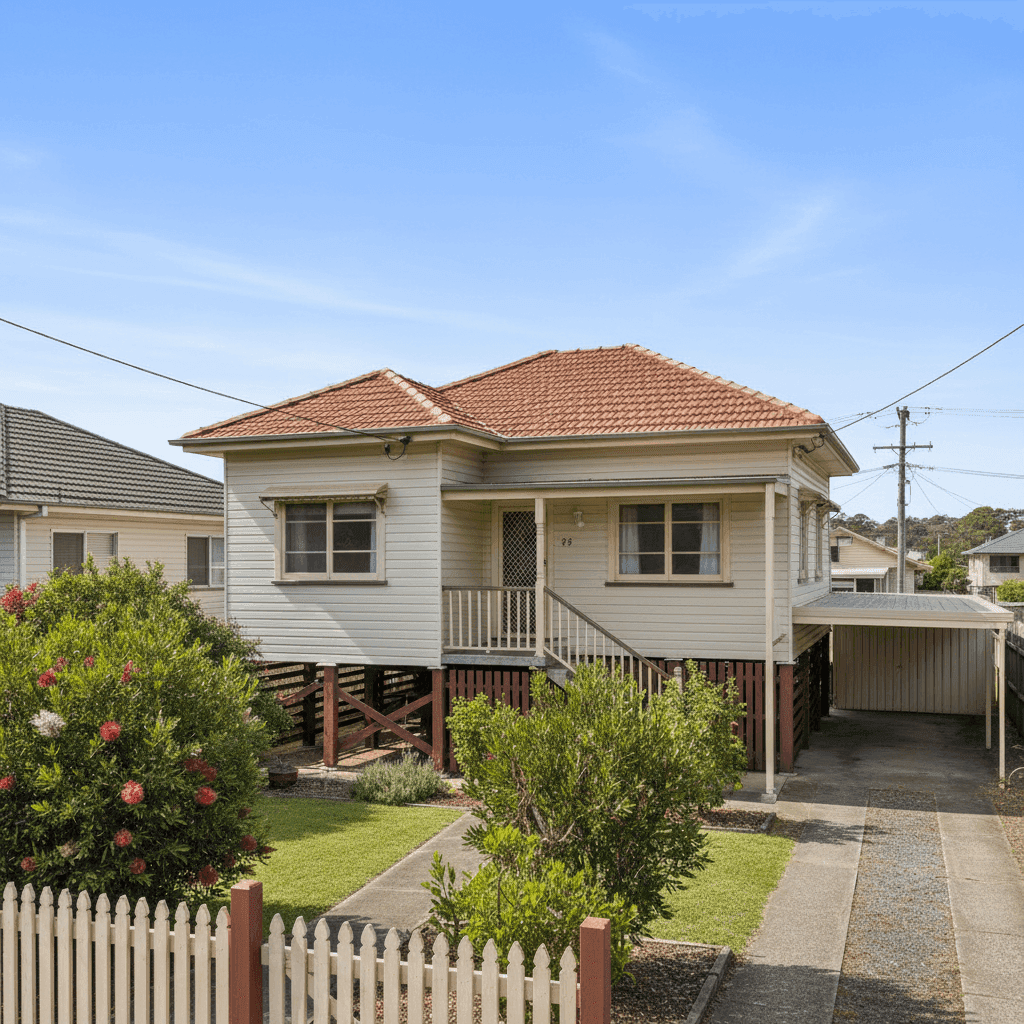
If you own a free standing home in Oak Flats, NSW 2529, you've probably wondered whether your home insurance premium is competitive — or whether you're quietly paying more than you should. This article breaks down a real home and contents insurance quote for a three-bedroom, one-bathroom property in Oak Flats, comparing it against suburb, state, and national benchmarks to help you make a more informed decision.
---
Is This Quote Fair?
The annual premium for this property came in at $1,622 per year (or $166/month), covering both building (insured for $700,000) and contents ($50,000). The building excess is $3,000 and the contents excess is $1,000.
Our price rating for this quote is FAIR — Around Average.
That assessment holds up when you look at the numbers. The suburb average for Oak Flats sits at $1,325/year, and the median is $1,279/year, so this quote does sit above both of those figures. However, the 75th percentile for the suburb is $1,666/year, meaning roughly a quarter of quotes in the area come in higher than this one. In that context, $1,622 is elevated but not outlying — it's sitting just below the upper quartile of what locals are paying.
It's also worth noting that the building sum insured here is $700,000, which is a substantial coverage amount for a 130 sqm home built in 1966. A higher replacement value will naturally push premiums upward, so some of the above-average cost is likely attributable to the coverage level rather than the property's risk profile alone.
---
How Oak Flats Compares
One of the more striking takeaways from this data is just how affordable Oak Flats is relative to broader benchmarks. Check out the full suburb stats for Oak Flats (NSW 2529) to see how premiums have been trending locally.
| Benchmark | Average Premium | Median Premium |
|---|---|---|
| Oak Flats (suburb) | $1,325/yr | $1,279/yr |
| Shellharbour LGA | $1,744/yr | — |
| NSW (state) | $9,528/yr | $3,770/yr |
| National | $5,347/yr | $2,764/yr |
The figures for NSW as a whole are eye-opening. The state average of $9,528/year is heavily influenced by high-risk postcodes — think flood-prone regions, bushfire corridors, and storm-affected coastal areas — which skew the mean significantly. The state median of $3,770 is a more representative figure, and even that is nearly three times the Oak Flats median.
Compared to the national average of $5,347/year, Oak Flats homeowners are in a relatively fortunate position. The suburb's median of $1,279 is less than half the national median of $2,764, suggesting that Oak Flats is considered a comparatively low-risk area by insurers. For the Shellharbour LGA overall, the average sits at $1,744 — so Oak Flats actually comes in below its local government area average, which is another positive signal.
It's worth noting that the suburb sample size here is 26 quotes, which is a reasonable dataset but not enormous. Averages can shift as more data comes in, so it's always smart to get multiple quotes rather than relying on benchmarks alone.
---
Property Features That Affect Your Premium
Several characteristics of this particular property are worth understanding in the context of insurance pricing.
Vinyl cladding external walls are generally viewed favourably by insurers compared to older materials like fibro or asbestos sheeting, which are common in homes of this era. Vinyl is low-maintenance and doesn't carry the same remediation costs, though it can be vulnerable to impact damage.
Tiled roof is a solid choice from an insurer's perspective. Tiles are durable and perform well in moderate weather conditions. That said, older tiles — this home was built in 1966 — can become brittle and may need inspection to confirm they're in good condition, as cracked or slipped tiles can lead to water ingress claims.
Stump foundations (also known as stumps or pier-and-beam) are common in older Australian homes, particularly in coastal and semi-rural areas. This foundation type means the home is elevated by at least one metre, which has mixed implications for insurance. On the positive side, elevation can reduce flood risk to the living areas. On the other hand, elevated homes can be more exposed to wind damage, and the subfloor space requires maintenance to avoid structural deterioration.
Timber and laminate flooring is a feature insurers note because it can be more susceptible to water damage than tiles, particularly in an elevated home where subfloor moisture can be an issue. Ensuring adequate ventilation under the home is important both for the structure and for your insurance position.
Ducted climate control adds to the replacement value of the home, which is reflected in the building sum insured. This system would need to be rebuilt or replaced in the event of a total loss, so it's appropriate that it's factored into the coverage amount.
The absence of a pool and solar panels simplifies the risk profile somewhat — both can add complexity and cost to a policy.
---
Tips for Homeowners in Oak Flats
1. Review your building sum insured regularly. At $700,000 for a 130 sqm home built in 1966, the sum insured is on the higher end. Make sure this figure reflects the actual cost to rebuild the property (not its market value), including demolition, materials, and labour. Overinsuring can mean unnecessarily high premiums; underinsuring can leave you exposed. Consider using a building cost calculator or getting a professional assessment.
2. Maintain your stump foundations and subfloor. Elevated homes on stumps require periodic inspection. Rotting or damaged stumps can lead to structural issues that may complicate insurance claims. Some insurers may exclude damage caused by gradual deterioration, so staying on top of maintenance protects both your home and your claim eligibility.
3. Shop around at renewal time. This quote is rated as fair, but "around average" doesn't mean it's the best available. The 25th percentile for Oak Flats is just $739/year — a significant gap from this quote. While coverage levels and excesses differ between policies, it's worth getting at least two or three competing quotes before renewing.
4. Consider your excess strategy. This policy carries a $3,000 building excess and a $1,000 contents excess. Opting for a higher excess is one of the most straightforward ways to reduce your annual premium. If you have the financial buffer to cover a larger out-of-pocket cost in the event of a claim, raising your excess could meaningfully lower what you pay each year.
---
Compare Your Options with CoverClub
Whether you're reviewing an existing policy or shopping for the first time, comparing quotes is the single most effective way to make sure you're not overpaying. CoverClub makes it easy to see how your premium stacks up and find competitive options tailored to your property. Get a home insurance quote today and see what's available for your Oak Flats home.