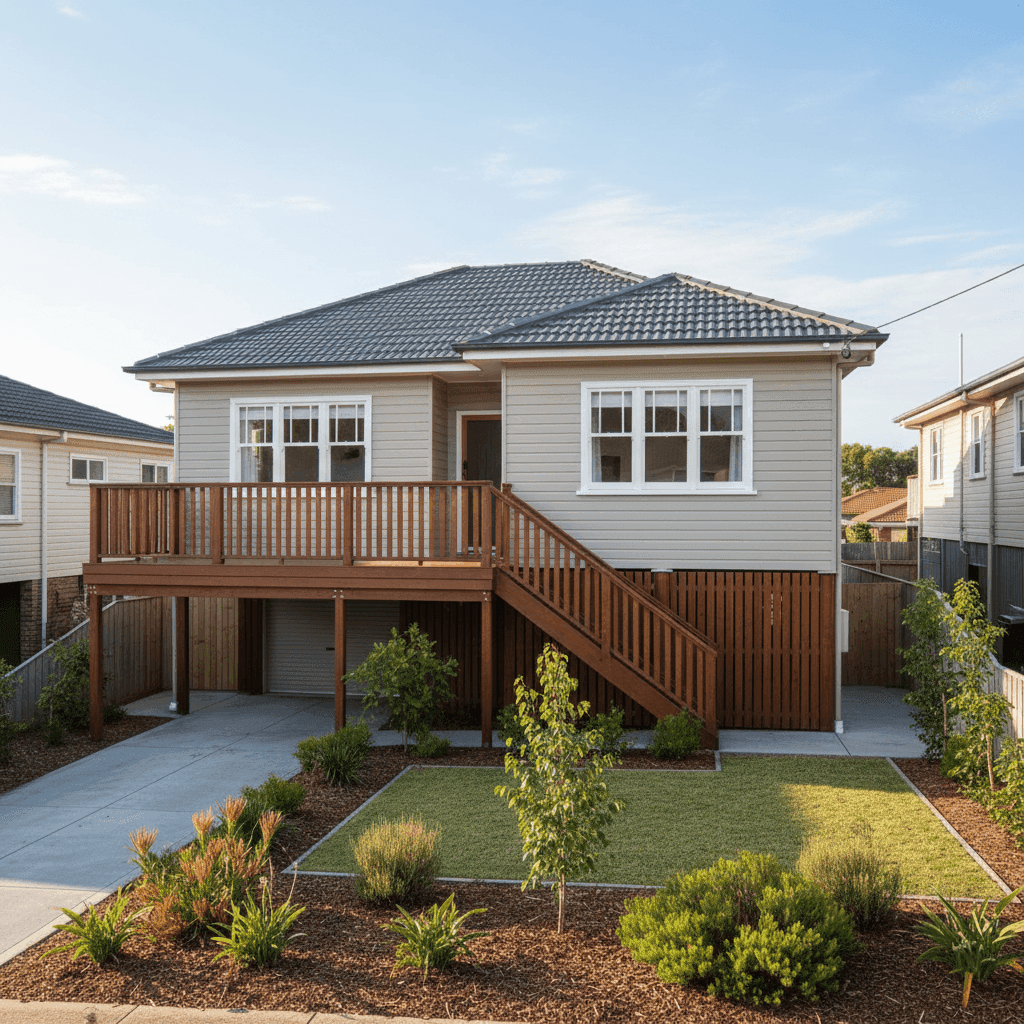
If you own a free standing home in Oak Flats, NSW 2529, you've probably wondered whether you're paying a fair price for home insurance — or whether you could be doing better. Oak Flats is a relaxed coastal suburb nestled within the Shellharbour local government area on the NSW South Coast, and like many established suburbs in the region, its housing stock carries a mix of older construction styles and unique property characteristics that can meaningfully influence what insurers charge.
In this article, we break down a real home and contents insurance quote for a 3-bedroom, 1-bathroom free standing home in Oak Flats, and compare it against suburb, state, and national benchmarks so you can make a more informed decision.
---
Is This Quote Fair?
The quote in question comes in at $983 per year (or around $96/month) for combined home and contents cover, with a building sum insured of $318,000 and contents valued at $50,000. The building excess is $2,000 and the contents excess is $600.
Our price rating for this quote is FAIR — Around Average.
That assessment holds up well under scrutiny. The suburb median premium for Oak Flats sits at $976 per year, meaning this quote is essentially right on the middle of the market for comparable properties in the area. It's nudging just above the median, but well within what you'd consider a reasonable range — particularly given the property's age and construction characteristics, which we'll explore further below.
At $983, this premium is comfortably below the suburb average of $1,289/yr, suggesting the insurer has priced this risk competitively. It's also well above the 25th percentile of $825/yr, so there may be room to shop around if cost is a priority — though cheaper isn't always better when it comes to cover quality.
---
How Oak Flats Compares
One of the most striking takeaways from this quote is how significantly Oak Flats premiums differ from broader benchmarks.
| Benchmark | Average Premium | Median Premium |
|---|---|---|
| Oak Flats (suburb) | $1,289/yr | $976/yr |
| Shellharbour LGA | $3,352/yr | — |
| NSW (state) | $3,801/yr | $3,410/yr |
| National | $2,965/yr | $2,716/yr |
At first glance, Oak Flats appears to be a genuinely affordable suburb for home insurance. The $983 quote sits dramatically below both the NSW state average of $3,801/yr and the national average of $2,965/yr. Even the Shellharbour LGA average of $3,352/yr is more than triple this quote.
It's worth noting, however, that the suburb sample size here is small — just 7 quotes — so these figures should be interpreted with some caution. The suburb-level data is directionally useful, but a larger dataset would give greater confidence in those averages. That said, the quote itself aligns closely with the suburb median, which is encouraging.
The wide gap between Oak Flats and the broader NSW average likely reflects a combination of factors: the suburb's distance from high-risk flood zones compared to parts of regional NSW, the absence of cyclone risk (unlike Far North Queensland), and the relatively modest property values compared to metropolitan Sydney.
---
Property Features That Affect Your Premium
Several characteristics of this particular property will have shaped how insurers assessed the risk — and therefore the premium.
Age of construction (1966): At nearly 60 years old, this home predates many modern building codes. Older homes can attract higher premiums due to the increased likelihood of ageing wiring, plumbing, and structural wear. Insurers factor this in when calculating rebuild costs and risk exposure.
Vinyl cladding external walls: Vinyl cladding is a practical and low-maintenance material, but it can be a consideration for insurers in terms of fire resistance and weather durability. It's not uncommon for cladding type to influence premium calculations, particularly in areas exposed to coastal weather.
Tiled roof: Terracotta or concrete tiles are generally viewed favourably by insurers compared to older materials like fibrous cement sheeting. Tiles are durable and offer solid weather resistance, which can work in a homeowner's favour at renewal time.
Stumps foundation: Homes on stumps (also referred to as pier or post foundations) are elevated above ground level, which has a meaningful impact on flood and moisture risk. This property is noted as being elevated by at least 1 metre, which is a significant positive factor — elevated homes are far less susceptible to inundation damage, and insurers typically reflect this in lower premiums.
Timber/laminate flooring: While aesthetically popular, timber and laminate floors can be more costly to repair or replace following water damage compared to tiles. This is a minor consideration but one insurers may weigh.
Ducted climate control: The presence of ducted air conditioning adds to the overall replacement value of the home's fixtures and fittings. It's a relatively modest influence on premium but worth noting when reviewing your sum insured to ensure you're adequately covered.
Standard fittings quality: With standard (rather than premium or high-end) fittings, the rebuild cost estimate of $318,000 for a 130 sqm home is plausible and suggests the sum insured is reasonably calibrated for the property.
---
Tips for Homeowners in Oak Flats
Whether you're reviewing an existing policy or shopping for new cover, here are four practical steps worth taking.
1. Review your sum insured regularly. Construction costs have risen significantly across Australia in recent years. A building sum insured set even two or three years ago may no longer reflect the true cost of rebuilding your home. Use an independent building cost calculator or speak with a local builder to sense-check your coverage amount.
2. Consider your excess settings carefully. This quote carries a $2,000 building excess — on the higher end. A higher excess generally reduces your annual premium, but it also means a larger out-of-pocket cost when you make a claim. Think about what you could comfortably afford to pay in the event of storm, fire, or accidental damage before locking in a high excess.
3. Shop around at renewal time. Loyalty doesn't always pay in insurance. Premiums can shift substantially between providers for identical properties. With the 25th percentile for Oak Flats sitting at $825/yr, there's a reasonable chance a competitive quote could save you $150 or more annually without sacrificing cover quality.
4. Document your contents thoroughly. With $50,000 in contents cover, it's worth keeping an up-to-date home inventory — photos, receipts, and serial numbers for valuable items. This makes claims faster and reduces the risk of being underinsured if you need to replace multiple items at once.
---
Compare Your Options at CoverClub
Whether this quote is the right fit for your home depends on more than just the price — it's about the cover, the conditions, and how the policy responds when you need it most. At CoverClub, we make it easy to compare home and contents insurance quotes side by side, so you can find the right balance of price and protection for your Oak Flats property. Get a quote today and see how your current premium stacks up.