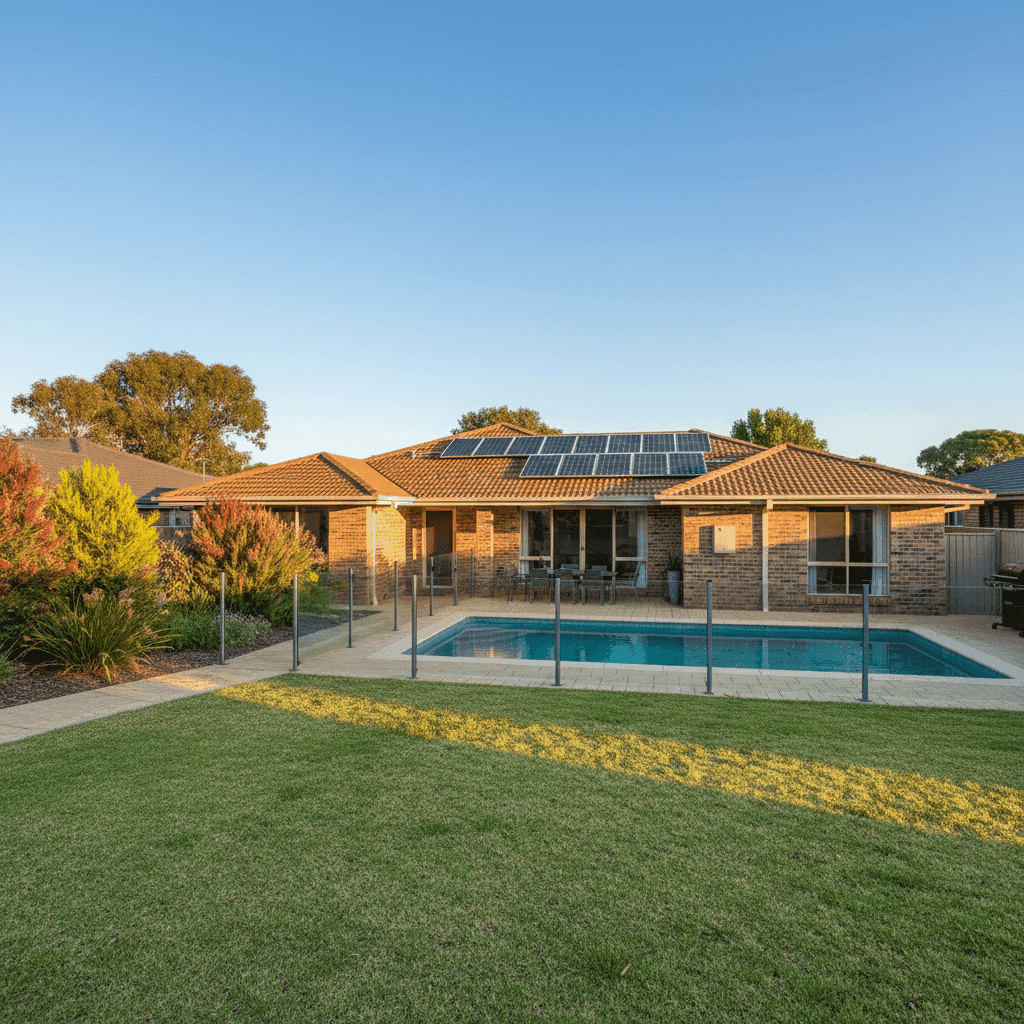
If you own a free standing home in Oakhampton Heights, NSW 2320, you're likely aware that insurance costs can vary enormously depending on your property's features and location. This article breaks down a real home and contents insurance quote for a four-bedroom, three-bathroom brick veneer home in the suburb — and puts the numbers into context so you can judge whether you're getting a fair deal.
---
Is This Quote Fair?
The annual premium for this property came in at $4,314 per year (or approximately $407 per month), covering both building and contents. The building is insured for $1,000,000 and contents for $75,000, with a $5,000 excess applied to both.
CoverClub's pricing analysis rates this quote as CHEAP — below average for the area. That's a meaningful finding. When you consider that the suburb average sits at $8,716 per year and the suburb median is $7,864, this quote is roughly half what many comparable Oakhampton Heights homeowners are paying. Even the 25th percentile — representing the cheapest quarter of quotes in the suburb — sits at $6,458 per year, which is still well above this figure.
In short, if you've received a quote in this range, it represents genuinely strong value for a well-specified home with above-average fittings, a pool, solar panels, and ducted climate control.
---
How Oakhampton Heights Compares
Understanding where Oakhampton Heights sits relative to broader benchmarks helps put any individual quote into perspective. Here's how the numbers stack up:
| Benchmark | Average Premium | Median Premium |
|---|---|---|
| Oakhampton Heights (suburb) | $8,716/yr | $7,864/yr |
| NSW (state) | $9,528/yr | $3,770/yr |
| National | $5,347/yr | $2,764/yr |
| Dungog LGA | $4,832/yr | — |
| This quote | $4,314/yr | — |
A few things stand out from this data. First, the NSW state average of $9,528 is notably high — reflecting the significant insurance burden placed on homeowners across flood-prone valleys, bushfire-affected regions, and storm corridors throughout the state. However, the NSW median of just $3,770 tells a different story: a large number of NSW properties attract relatively modest premiums, with a smaller cohort of high-risk properties pulling the average upward sharply.
The Dungog LGA average of $4,832 is the most directly relevant benchmark for this property, and the quote at $4,314 sits comfortably below even that figure. Nationally, the average premium is $5,347, meaning this quote also beats the national average.
For a deeper look at how Oakhampton Heights premiums are distributed, visit the Oakhampton Heights insurance stats page. You can also explore NSW-wide insurance data or review national home insurance benchmarks to broaden your comparison.
---
Property Features That Affect Your Premium
Every insurer prices risk differently, but certain property characteristics consistently influence what you'll pay. Here's how the features of this particular home are likely to be factored in:
Brick Veneer Walls & Tiled Roof
Brick veneer construction is generally viewed favourably by insurers. It offers solid fire resistance and structural durability compared to weatherboard or cladding alternatives. Combined with a tiled roof — which performs well in most weather conditions and has a long lifespan — this home presents a relatively low structural risk profile.
Slab Foundation
A concrete slab foundation is a common and well-regarded base for homes of this era. It tends to be more resistant to subfloor moisture issues and pest ingress than raised timber stumps, which can be a mild positive in underwriting assessments.
Above-Average Fittings
Kitchens, bathrooms, and fixtures described as above average typically increase the cost to rebuild or repair a home, which in turn raises the appropriate sum insured. This home's $1,000,000 building cover reflects that quality level, and it's important that the sum insured keeps pace with actual replacement costs — particularly given construction cost inflation in recent years.
Swimming Pool
A pool adds both value and liability to a property. Insurers consider the cost of repairing or replacing the pool structure itself, as well as associated liability considerations. Homeowners with pools should confirm their policy explicitly covers pool-related damage and legal liability.
Solar Panels
Solar panels are now a standard feature on many Australian homes, but they're not always automatically covered under every policy. It's worth confirming whether your insurer covers panels as part of the building sum insured or whether a separate endorsement is required — especially given the replacement cost of a full rooftop system.
Ducted Climate Control
Ducted air conditioning systems are expensive to repair or replace and are typically included as a fixed building fixture. Their presence contributes to the overall replacement value of the home and should be factored into your sum insured calculation.
Construction Year: 1995
A home built in 1995 is now approaching 30 years old. While it's well past the teething stage, it may be approaching the age where certain systems — electrical wiring, plumbing, roofing materials — begin to require attention. Some insurers apply age-related loading to older properties, so keeping up with maintenance is both a practical and financial priority.
---
Tips for Homeowners in Oakhampton Heights
1. Review Your Sum Insured Regularly
Construction costs have risen significantly across Australia in recent years. A sum insured set even two or three years ago may no longer reflect the true cost of rebuilding your home to the same standard. Use a building cost calculator or speak with a local builder to sense-check your coverage level annually.
2. Confirm Pool and Solar Coverage Explicitly
Don't assume your policy automatically covers your pool shell or solar panel system. Ask your insurer directly, and request confirmation in writing. These are high-value items that can be costly to replace if they're excluded or underinsured.
3. Consider Your Excess Carefully
This quote carries a $5,000 excess on both building and contents. A higher excess typically reduces your premium, but it also means a larger out-of-pocket cost when you make a claim. Make sure your chosen excess is an amount you could genuinely afford at short notice — particularly for contents claims, which tend to be smaller and more frequent.
4. Compare at Renewal, Not Just When You First Buy
Many homeowners set and forget their insurance. But the market changes, and so does your risk profile. Running a fresh comparison at each renewal — especially given how competitive this quote already is — ensures you're not gradually drifting into overpaying as your existing insurer quietly increases premiums year on year.
---
Ready to Compare Home Insurance in Oakhampton Heights?
Whether your current premium looks like a bargain or you suspect you might be overpaying, the best way to know for certain is to compare. CoverClub makes it easy to see quotes from multiple insurers side by side, so you can make a confident, informed decision.
Get a home insurance quote for your Oakhampton Heights property →