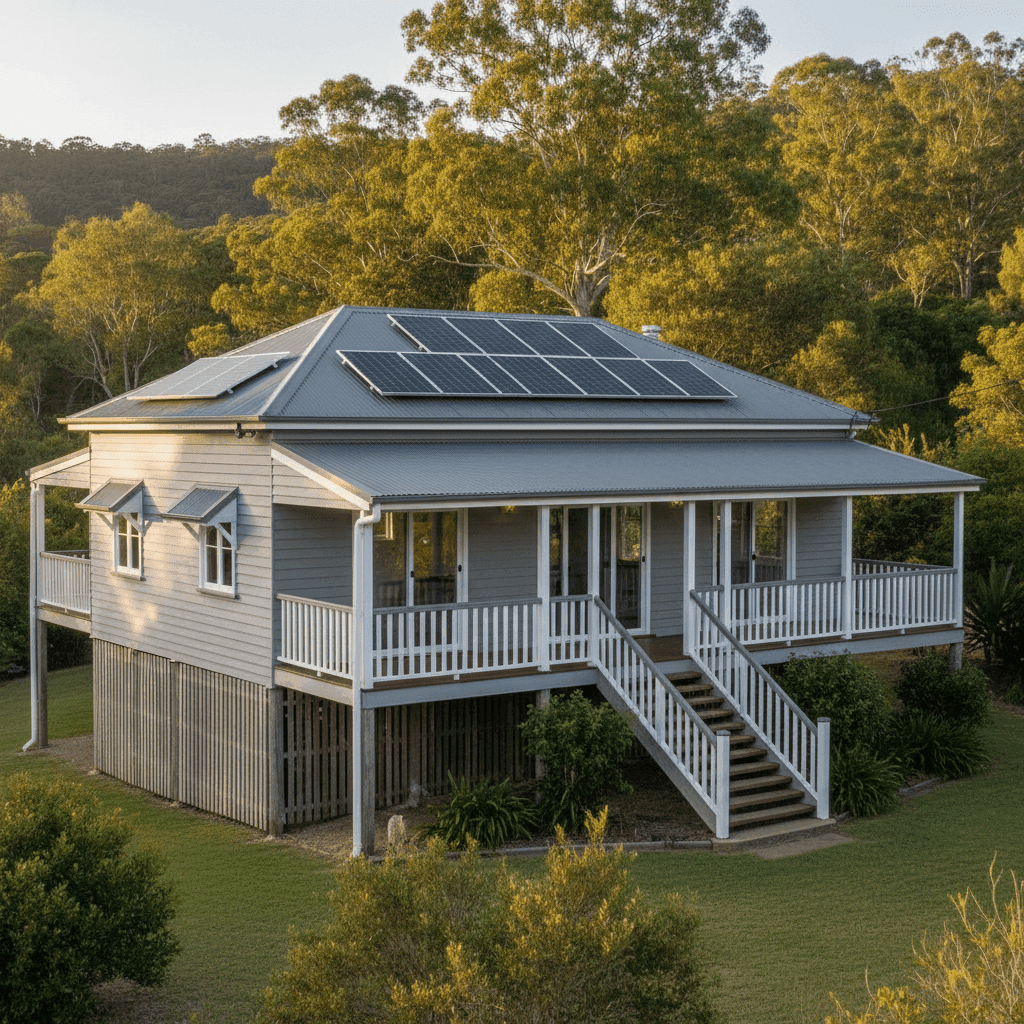
If you own a free standing home in Obi Obi, QLD 4574, you might be wondering whether your home insurance premium is fair, too high, or a genuine bargain. Nestled in the Sunshine Coast hinterland within the Gympie Local Government Area, Obi Obi is a peaceful rural locality where property values — and insurance costs — can vary considerably. This article breaks down a real home and contents insurance quote for a 3-bedroom, 3-bathroom free standing home in the area, and puts it in context against local, state, and national benchmarks.
---
Is This Quote Fair?
The annual premium for this property came in at $2,181 per year (or around $213 per month), covering a building sum insured of $593,000 and contents valued at $50,000, each with a $1,000 excess.
Our price rating for this quote is CHEAP — below average for the suburb. That's an encouraging result. At $2,181, this quote sits comfortably below the suburb average of $2,749/yr and also below the suburb median of $2,385/yr. In fact, it narrowly undercuts even the 25th percentile price of $2,208/yr — meaning it's among the most competitive quotes seen in this postcode.
For homeowners weighing up whether to accept a quote or keep shopping, this result suggests the pricing is genuinely competitive rather than just marginally below average. That said, insurance markets shift frequently, and it's always worth comparing before committing.
---
How Obi Obi Compares
Understanding how your suburb stacks up against broader benchmarks gives important context to any individual quote.
| Benchmark | Premium |
|---|---|
| This Quote | $2,181/yr |
| Suburb Average (Obi Obi) | $2,749/yr |
| Suburb Median | $2,385/yr |
| Suburb 25th Percentile | $2,208/yr |
| Suburb 75th Percentile | $3,145/yr |
| LGA Average (Gympie) | $4,135/yr |
| QLD State Average | $4,547/yr |
| National Average | $2,965/yr |
A few things stand out here. First, the Gympie LGA average of $4,135/yr is dramatically higher than what Obi Obi homeowners are typically quoted — suggesting that other parts of the Gympie LGA face significantly higher risk profiles, likely driven by flood, cyclone, or bushfire exposure in surrounding towns and rural areas.
Second, the Queensland state average of $4,547/yr is nearly double this quote — a reflection of the elevated risk environment across much of QLD, where cyclones, flooding, and severe storms drive premiums up significantly in many regions. Obi Obi, sitting in the hinterland away from coastal cyclone zones and major flood plains, benefits from a comparatively benign risk profile.
Finally, this quote is also well below the national average of $2,965/yr, reinforcing that it represents strong value in a broader context. You can explore how other suburbs across Australia compare at the CoverClub national stats page.
Note: Suburb comparisons are based on a sample of 7 quotes, so results should be interpreted as indicative rather than definitive.
---
Property Features That Affect Your Premium
Several characteristics of this property are worth examining, as they directly influence how insurers assess and price risk.
Weatherboard timber walls are common in Queensland's older and semi-rural housing stock, but this home was built in 2020 — meaning the construction is modern and likely compliant with current building codes. Newer builds generally attract more favourable premiums because materials, structural integrity, and fire resistance standards have improved significantly in recent decades.
Steel/Colorbond roofing is a popular and practical choice in Queensland. It's durable, relatively low-maintenance, and performs well in high-wind events. Insurers tend to view Colorbond favourably compared to older tile or fibrous cement roofing, which can be more vulnerable to storm damage.
Stumped foundations (elevated by at least 1 metre) are a hallmark of traditional Queensland architecture, and in this case, they serve a functional purpose beyond aesthetics. Elevation significantly reduces flood inundation risk — a major driver of insurance costs across the state. This feature alone likely contributes meaningfully to the competitive premium on this property.
Solar panels are increasingly common on Australian homes, and while they add to the replacement value of a property, most insurers include them under building cover as a fixed structure. It's worth confirming with your insurer that your solar system is explicitly covered under your policy, particularly for damage from storms or hail.
Timber and laminate flooring is standard for elevated Queenslanders and generally doesn't significantly impact premiums, though it's worth noting that contents coverage should account for floor coverings if they're not considered part of the building structure — check your policy's definitions carefully.
---
Tips for Homeowners in Obi Obi
1. Confirm your solar panels are covered Solar panel systems can cost $8,000–$20,000 or more to replace. Make sure your policy explicitly covers them under the building sum insured, and check whether damage from hail, storm, or accidental breakage is included. Not all policies treat solar panels the same way.
2. Review your sum insured annually With a building sum insured of $593,000 for a 214 sqm home built in 2020, it's important to ensure this figure keeps pace with rising construction costs. Building costs in regional Queensland have increased substantially in recent years. Underinsurance is one of the most common — and costly — mistakes homeowners make.
3. Understand your flood and storm cover While Obi Obi is not classified as a cyclone risk area and the elevated foundation reduces flood exposure, the Sunshine Coast hinterland can still experience significant rainfall events. Review your policy's definitions of "flood" versus "storm" damage — these are treated differently by most insurers and can affect claim outcomes.
4. Shop around at renewal time Even if your current premium is competitive, insurers regularly re-price risk at renewal. What's cheap today may not be next year. Set a reminder to compare quotes a few weeks before your renewal date to ensure you're still getting good value. Get a new quote at CoverClub to see what's available in your area.
---
Compare Your Home Insurance Options
Whether you're reviewing an existing policy or insuring a new property, getting a competitive quote starts with comparison. CoverClub makes it easy to see how your premium stacks up against others in Obi Obi and the surrounding area. Start a quote today and find out whether your home insurance is working as hard as it should be.