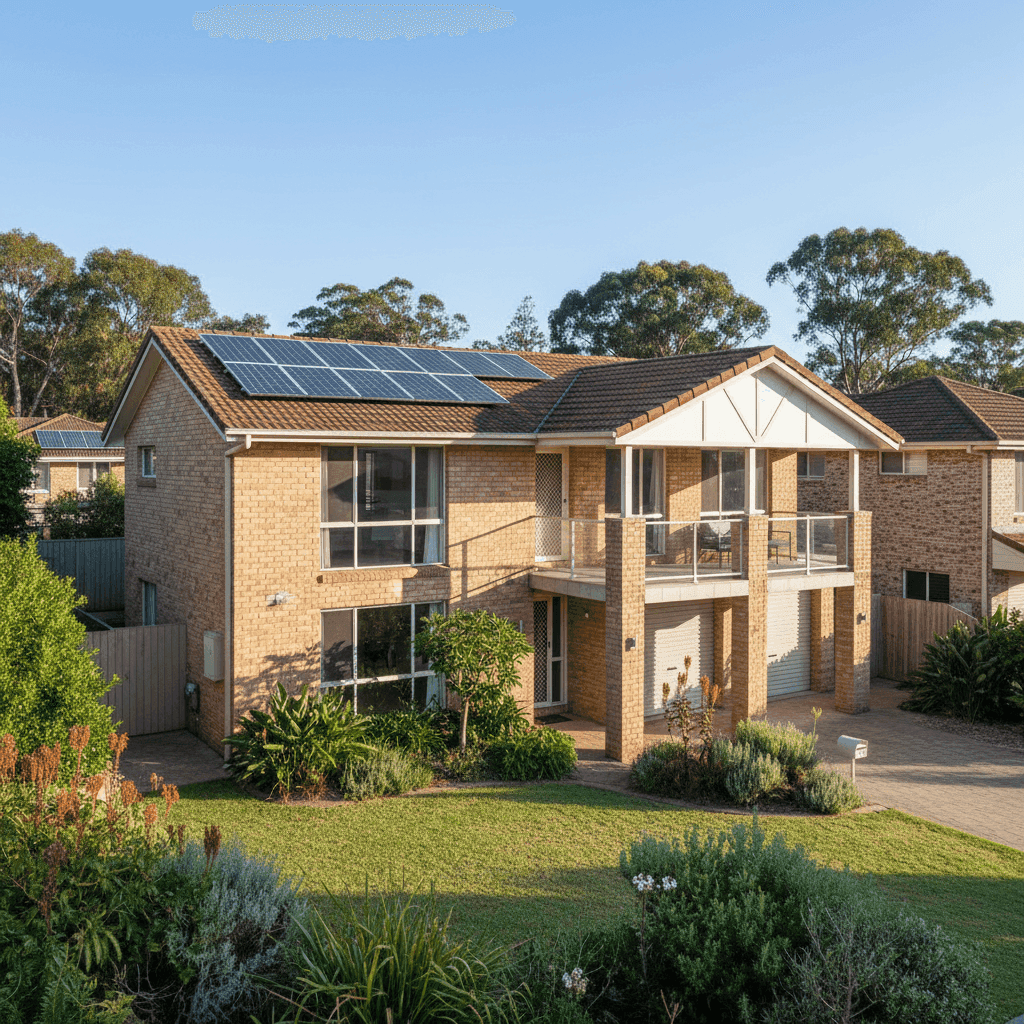
Ocean Shores is a laid-back coastal community tucked into the Northern Rivers region of New South Wales, just a short drive from the Queensland border. With its lush hinterland backdrop, proximity to the Brunswick River, and relaxed beach lifestyle, it's an increasingly sought-after place to own property. But what does it actually cost to insure a free standing home here — and is the quote on the table a good deal? Let's break it down.
---
Is This Quote Fair?
The annual premium for this Home and Contents policy comes in at $3,064 per year (or $294 per month), covering a building sum insured of $650,000 and contents valued at $70,000. Both the building and contents excess sit at $5,000.
Our independent price rating for this quote is CHEAP — below average for the area. That's genuinely good news for the homeowner. In a suburb where insurance costs can swing dramatically depending on flood mapping, proximity to waterways, and bushfire overlays, landing a premium well below the local median is a meaningful result.
To put it in perspective: the suburb median premium in Ocean Shores is $7,116 per year, meaning this quote is roughly 57% cheaper than what the typical Ocean Shores homeowner pays. Even compared to the 25th percentile benchmark of $5,742, this premium still comes in lower — placing it firmly in the most competitive tier of quotes seen in postcode 2483.
---
How Ocean Shores Compares
The pricing picture across different benchmarks tells an interesting story. Ocean Shores (NSW 2483) carries a suburb average premium of $98,607 per year — an extraordinarily high figure that is heavily skewed by a small number of extreme outliers in the dataset (the sample covers 22 quotes). The median of $7,116 is a far more reliable indicator of what most locals actually pay.
Here's how the numbers stack up:
| Benchmark | Annual Premium |
|---|---|
| This Quote | $3,064 |
| Ocean Shores Suburb Median | $7,116 |
| Ocean Shores 25th Percentile | $5,742 |
| Ocean Shores 75th Percentile | $9,860 |
| LGA (Tweed) Average | $26,089 |
| NSW State Median | $3,770 |
| NSW State Average | $9,528 |
| National Median | $2,764 |
| National Average | $5,347 |
The Tweed LGA average of $26,089 underscores just how expensive insurance can be across this broader region, likely driven by flood-prone and cyclone-adjacent properties that push averages skyward. Against that backdrop, a sub-$3,100 premium looks even more competitive.
Compared to the national median of $2,764, this quote is only slightly above — a reasonable outcome given that Ocean Shores carries environmental risk factors that many inland or metropolitan properties simply don't face.
---
Property Features That Affect Your Premium
Several characteristics of this particular property work in the homeowner's favour when it comes to pricing.
Double Brick Construction Double brick external walls are regarded by insurers as one of the most resilient building materials available. They offer strong resistance to fire, wind, and general wear, which typically translates to lower rebuild risk — and a more favourable premium.
Tiled Roof Concrete or terracotta tiles are a solid roofing choice from an insurance perspective. They're durable, fire-resistant, and less susceptible to storm damage than corrugated iron in many scenarios, making this a positive factor for underwriters.
Slab Foundation A concrete slab foundation is generally viewed as structurally sound and low-risk, particularly in areas where soil movement or subsidence could otherwise be a concern.
Solar Panels The presence of solar panels adds a modest layer of complexity to the risk profile. Panels represent an additional asset on the roof that can be damaged by hail, storms, or falling debris. It's worth confirming with your insurer that solar panels are explicitly covered under your policy — not all standard policies include them automatically.
Top-of-the-Range Fittings High-quality internal fittings — think premium appliances, stone benchtops, custom cabinetry — increase the cost to rebuild or repair to an equivalent standard. This is reflected in the $650,000 building sum insured, which needs to account for the full replacement cost, not just the market value of the home.
No Pool, No Ducted Climate Control The absence of a pool and ducted air conditioning removes two common sources of claims — pool-related liability and mechanical breakdown — keeping the risk profile relatively lean.
Built in 1983 Homes from the early 1980s are well past their initial construction phase but may have ageing plumbing, electrical systems, or roofing components. Insurers sometimes factor this in, though double brick homes of this era tend to hold up well structurally.
---
Tips for Homeowners in Ocean Shores
1. Check Your Flood and Bushfire Overlays Ocean Shores sits near the Brunswick River and is surrounded by bushland, meaning flood and bushfire risk can vary significantly from one street to the next. Use the NSW Flood Data Portal and the NSW Rural Fire Service's online mapping tools to understand your property's specific risk classification — and make sure your insurer has the correct information on file.
2. Confirm Solar Panel Coverage As mentioned above, solar panels aren't always covered as standard. Ask your insurer directly whether panels are included under your building policy, and whether accidental damage, theft, and storm damage are all covered. If not, you may need to arrange a specific endorsement.
3. Review Your Building Sum Insured Annually Construction costs in regional NSW have risen sharply in recent years. A sum insured that was accurate two years ago may now fall short of the actual cost to rebuild. Consider using a building cost calculator or speaking with a quantity surveyor to ensure your $650,000 cover remains adequate — underinsurance is a costly mistake many homeowners only discover at claim time.
4. Compare Quotes Before Renewal Even if your current premium is competitive, the insurance market shifts constantly. Loyalty doesn't always pay — insurers frequently offer better rates to new customers than to existing ones. Shopping around at renewal time is one of the simplest ways to ensure you're still getting value.
---
Compare Your Options with CoverClub
Whether you're a first-time buyer in Ocean Shores or a long-term local reassessing your cover, comparing quotes side by side is the smartest way to make sure you're not overpaying. Get a home insurance quote through CoverClub and see how your premium stacks up against suburb, state, and national benchmarks — all in one place. You can also explore detailed Ocean Shores insurance statistics and NSW-wide data to better understand what's driving costs in your area.