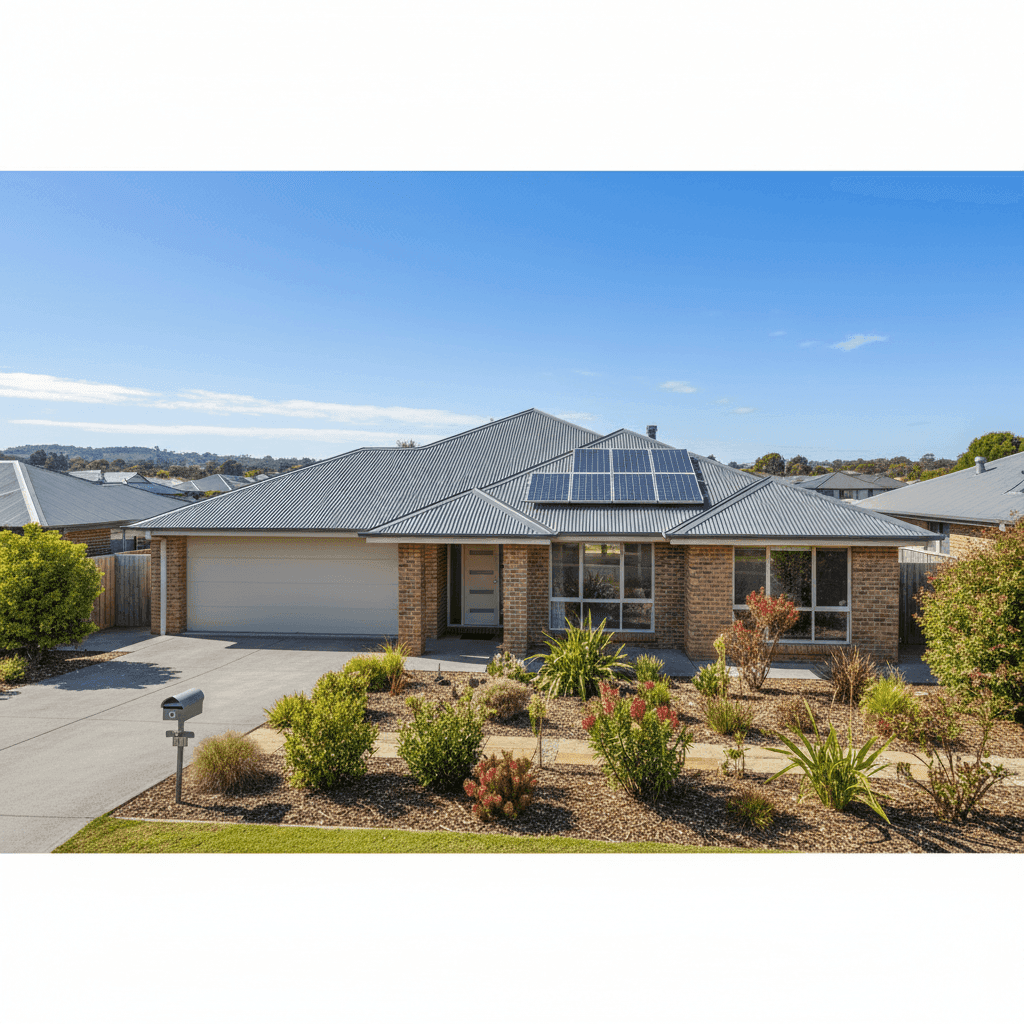
Old Beach is a quiet, family-friendly suburb on the eastern shore of the Derwent River in Tasmania, sitting roughly 20 kilometres north of Hobart's CBD. It's a popular choice for owner-occupiers who want a relaxed lifestyle without straying too far from the city — and the local housing stock reflects that, with a mix of modern brick homes on generous blocks. This article breaks down a real home and contents insurance quote for a three-bedroom free standing home in Old Beach (postcode 7017), compares it against local, state and national benchmarks, and offers practical tips for homeowners in the area.
---
Is This Quote Fair?
The quote in question comes in at $913 per year (or $89 per month) for combined home and contents cover, with a building sum insured of $446,000 and contents valued at $50,000. Both the building and contents excess sit at $1,000 — a fairly standard arrangement.
Our price rating for this quote is CHEAP — Below Average, which is excellent news for the homeowner. To put that in perspective, the suburb average for Old Beach currently sits at $2,406 per year, and the median is $2,131 per year. Even at the 25th percentile — meaning 75% of quotes are more expensive — Old Beach homeowners are typically paying around $1,722 per year. This quote at $913 is well below even that lower threshold, representing a saving of more than $800 compared to the cheapest quarter of the market.
In short, this is an outstanding result. Whether it reflects the insurer's appetite for well-built, relatively new homes in a low-risk suburb, or simply a competitive pricing cycle, the homeowner is getting genuinely good value here.
---
How Old Beach Compares
To understand just how competitive this premium is, it helps to zoom out and look at the broader picture. You can explore the full data on the Old Beach suburb stats page, the Tasmania state overview, or the national insurance stats.
| Benchmark | Annual Premium |
|---|---|
| This Quote | $913 |
| Old Beach suburb average | $2,406 |
| Old Beach suburb median | $2,131 |
| Old Beach 25th percentile | $1,722 |
| TAS state average | $2,458 |
| TAS state median | $2,272 |
| National average | $2,965 |
| National median | $2,716 |
| Southern Midlands LGA average | $2,701 |
A few things stand out here. First, Old Beach premiums are actually slightly below the Tasmanian state average, which suggests the suburb is considered a relatively benign risk zone — no cyclone exposure, modest flood risk, and a well-established community with lower-than-average claim rates. Second, both the state and suburb averages are meaningfully below the national average of $2,965, which reflects Tasmania's generally lower exposure to extreme weather events compared to Queensland or northern Western Australia. Third, the Southern Midlands LGA average of $2,701 is notably higher than the Old Beach suburb figure, which likely reflects rural and semi-rural properties in the broader LGA facing different risk profiles.
Against all of these yardsticks, the $913 quote is exceptional.
---
Property Features That Affect Your Premium
Insurance pricing is never arbitrary — it's driven by the specific characteristics of the property being covered. Several features of this home work in the homeowner's favour.
Construction year (2012): A home built in 2012 is relatively modern by Australian standards and would have been constructed to contemporary building codes, including improved bushfire and structural standards. Newer homes generally attract lower premiums because they're less likely to have ageing electrical systems, deteriorating plumbing, or outdated roofing materials.
Brick veneer external walls: Brick veneer is one of the most common and well-regarded wall types in Australian residential construction. It offers solid fire resistance and structural durability, both of which insurers view favourably when calculating risk.
Steel/Colorbond roof: Colorbond roofing is highly regarded by insurers. It's resistant to corrosion, performs well in high winds, and has a long service life. Compared to terracotta tiles (which can crack and dislodge in storms) or older corrugated iron, Colorbond is a low-risk choice.
Slab foundation: A concrete slab is a stable, low-maintenance foundation type that reduces the risk of subsidence and pest-related structural damage — both of which can generate costly claims.
Solar panels: The property has solar panels installed, which adds a small amount of insurable value to the building. It's worth confirming with your insurer that the panels are explicitly covered under your building policy, as coverage can vary between providers.
No pool, no cyclone risk zone: The absence of a swimming pool removes a common liability exposure. And being outside a designated cyclone risk area means the home avoids the significant premium loadings that apply in northern Australia.
139 sqm building size and standard fittings: A mid-sized home with standard fittings keeps the rebuild cost estimate reasonable, which directly influences the building sum insured and, in turn, the premium.
---
Tips for Homeowners in Old Beach
1. Review your sum insured regularly Building costs in Tasmania have risen steadily over recent years. A sum insured of $446,000 for a 139 sqm brick veneer home may be appropriate today, but it's worth reassessing annually — particularly as labour and materials costs fluctuate. Underinsurance is one of the most common and costly mistakes Australian homeowners make.
2. Confirm solar panel coverage With solar panels on the roof, check your policy documents carefully. Some insurers cover panels automatically as part of the building, while others require them to be listed separately or may apply sublimits. A quick call to your insurer can save a nasty surprise at claim time.
3. Don't set and forget your premium Even though this quote is highly competitive, premiums can shift significantly at renewal time. It's good practice to compare quotes every year — not just when you first take out cover. The market changes, and so does your risk profile.
4. Consider your contents figure carefully $50,000 in contents cover is a reasonable starting point for a three-bedroom home, but it's easy to underestimate the replacement cost of everything inside. Do a quick room-by-room audit — furniture, appliances, clothing, electronics, and valuables — to make sure you're not left short after a major event like a fire or break-in.
---
Compare Your Home Insurance Quote Today
Whether you're a new homeowner in Old Beach or simply due for a policy review, comparing quotes is the fastest way to make sure you're not overpaying. CoverClub makes it easy to benchmark your premium against real data from your suburb and across Australia. Get a quote now and see how your current cover stacks up.