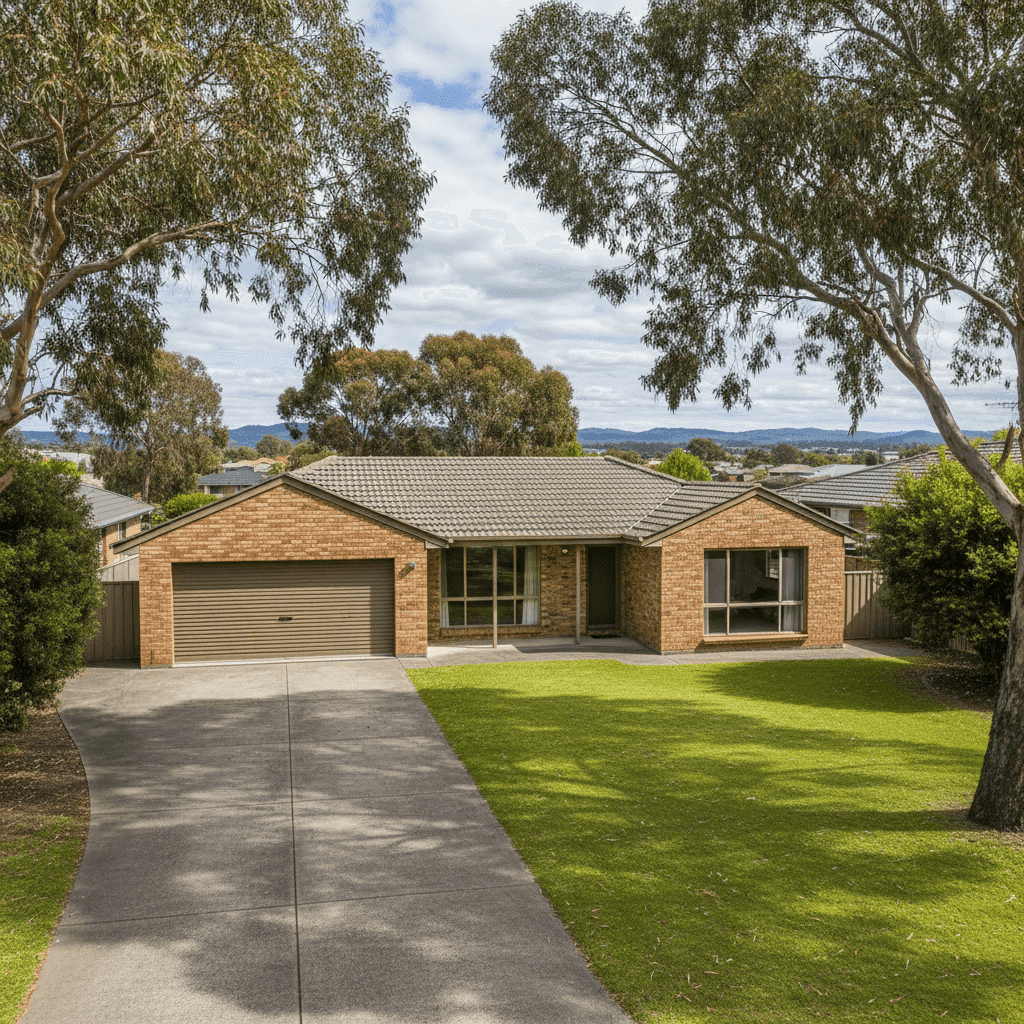
Old Beach is a quiet, leafy suburb on the eastern shore of the Derwent River, sitting just 20 kilometres north of Hobart's CBD. It's the kind of place where established brick homes line wide streets and neighbours actually know each other's names. For owners of a free standing home here, understanding what you should be paying for building insurance — and why — can make a genuine difference to your household budget.
This article breaks down a real building-only insurance quote for a four-bedroom, three-bathroom free standing home in Old Beach (postcode 7017), and puts the numbers in context against suburb, state, and national benchmarks.
---
Is This Quote Fair?
The quote in question comes in at $2,103 per year (or roughly $206 per month) for building-only cover, with a sum insured of $795,000 and a standard $1,000 excess. Our price rating for this quote is FAIR — Around Average.
That assessment holds up when you look at the data. The suburb average for Old Beach sits at $1,929 per year, and the median is a touch lower at $1,729 per year. At $2,103, this quote lands above both of those benchmarks, but it's well within the normal spread — the 75th percentile for the suburb reaches $2,512 per year, meaning roughly one in four quotes in this area costs more than this one.
In other words, you're not being gouged, but there's also room to shop around. Homeowners who've secured quotes at or below the suburb median are paying meaningfully less, which is worth keeping in mind before you simply renew at whatever figure lands in your inbox.
---
How Old Beach Compares
One of the more reassuring things about insuring a home in Old Beach is just how favourably the suburb compares to broader benchmarks. Based on 53 quotes collected for this suburb, the local average of $1,929 per year tells a very different story to what's happening elsewhere.
Across Tasmania, the state average premium is $2,814 per year, with a median of $2,326. That means Old Beach homeowners are typically paying around $400–$900 less per year than the Tasmanian average — a meaningful saving that likely reflects the suburb's relatively low-risk profile: no cyclone zone, established infrastructure, and predominantly brick construction.
Zoom out to the national picture and the contrast is even sharper. Australia's national average home insurance premium is $5,347 per year, with a national median of $2,764. Much of that national average is pulled upward by high-risk coastal and cyclone-prone regions in Queensland and Western Australia, but it's still a useful reminder of just how competitively priced Tasmanian premiums tend to be by comparison.
Even within the broader local government area, Old Beach holds its own — the LGA (Southern Midlands) average sits at $2,582 per year, again higher than what most Old Beach homeowners are paying.
---
Property Features That Affect Your Premium
Every home is different, and insurers weigh up a range of physical characteristics when calculating your premium. Here's how the features of this particular property are likely influencing the quote:
Brick Veneer Walls Brick veneer is generally well-regarded by insurers. It offers solid fire resistance and structural durability, which can help keep premiums in check compared to timber-framed or clad exteriors.
Tiled Roof A tiled roof is another tick in the right column. Tiles are durable, fire-resistant, and widely used in established Australian suburbs. They tend to attract more favourable ratings than older corrugated iron or fibreglass alternatives.
Concrete Slab Foundation Slab foundations are considered stable and low-risk in most contexts. Unlike homes on stumps or piers, slabs are less susceptible to subsidence and pest-related structural damage — factors that can otherwise push premiums higher.
Timber and Laminate Flooring While flooring type has a modest impact on building insurance (contents cover is more relevant here), timber and laminate floors can be costlier to repair or replace than tiles, and some insurers factor this into their assessment.
Ducted Climate Control The presence of a ducted climate control system adds to the overall replacement value of the home, which is reflected in the $795,000 sum insured. It's a meaningful inclusion — ducted systems are expensive to replace and should absolutely be covered under building insurance.
Construction Year: 1989 Homes built in the late 1980s are generally well-constructed but may have older electrical wiring, plumbing, or roofing materials that some insurers view as slightly elevated risk compared to newer builds. It's worth confirming your policy covers age-related wear and tear exclusions carefully.
No Pool, No Solar Panels The absence of a pool and solar panels simplifies the risk profile. Both can add complexity and cost to a premium, so their absence here is a minor but genuine saving.
---
Tips for Homeowners in Old Beach
1. Don't default to renewal — compare annually Insurers frequently offer their best rates to new customers. If you've been with the same provider for several years, there's a good chance you're paying a loyalty premium. Use a comparison tool like CoverClub to benchmark your renewal quote before you accept it.
2. Review your sum insured carefully At $795,000, the sum insured here needs to reflect the true cost of rebuilding — not the market value of the property. With construction costs rising across Tasmania, it's worth getting a professional building replacement estimate every few years to ensure you're not underinsured.
3. Consider your excess strategically A $1,000 excess is fairly standard, but opting for a higher excess (say, $2,000) can noticeably reduce your annual premium. If you have the savings buffer to cover a larger out-of-pocket cost in a claim, this can be a smart trade-off.
4. Check what's included in "building" cover Building-only policies vary significantly between insurers. Make sure your policy explicitly covers fixed structures like fencing, retaining walls, and the ducted climate control system. These are easy to overlook until you need to make a claim.
---
Find a Better Deal with CoverClub
Whether this quote is the right one for your home or you're simply curious what else is out there, CoverClub makes it easy to compare building insurance options across Australia. Our data is drawn from real quotes, so you can see exactly where you stand relative to your neighbours — not just a generic estimate.
Get a quote for your Old Beach home today and find out if you could be paying less.