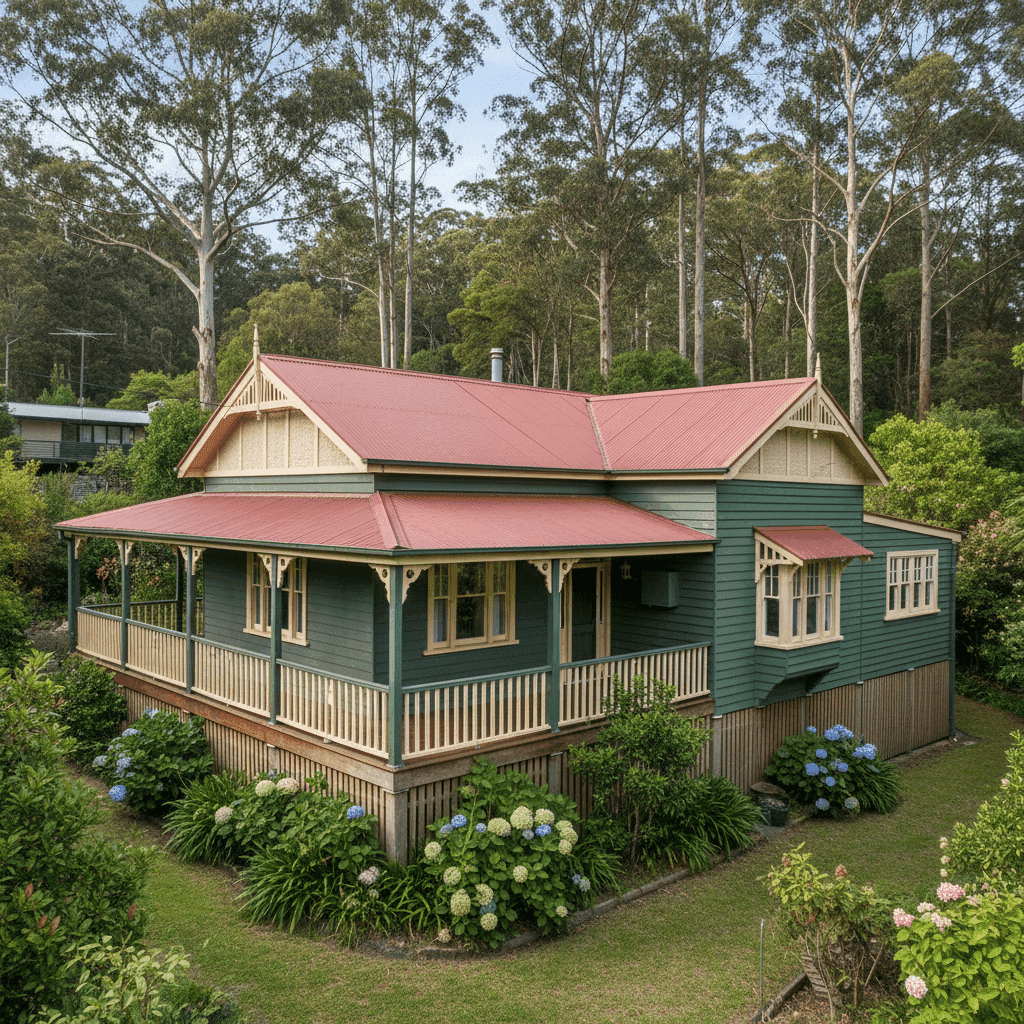
Nestled in the Dandenong Ranges east of Melbourne, Olinda is a leafy, characterful suburb known for its cool-climate gardens, historic cottages, and elevated bushland setting. It's a beautiful place to call home — but that same natural environment shapes the cost of protecting it. This article breaks down a real home and contents insurance quote for a three-bedroom free standing home in Olinda (postcode 3788), examines how it stacks up against local, state, and national benchmarks, and offers practical guidance for homeowners in the area.
---
Is This Quote Fair?
The quote in question comes in at $3,526 per year (or around $362 per month) for combined home and contents cover. The building is insured for $1,000,000 and contents are covered for $245,000, with a building excess of $3,000 and a contents excess of $500.
Our pricing analysis rates this quote as CHEAP — below average for the Olinda area. That's a meaningful finding. Based on 43 quotes collected for the Olinda suburb, the suburb average premium sits at $6,252 per year, and the median is $5,615. This quote falls well below even the 25th percentile of $4,354 — meaning it's cheaper than at least 75% of comparable quotes in the same postcode.
For a suburb where premiums can stretch as high as the 75th percentile of $7,319 per year, landing a quote under $3,600 represents genuinely strong value. Homeowners in Olinda who haven't reviewed their policy recently may well be paying significantly more than they need to.
---
How Olinda Compares
To put this quote in broader context, it helps to look at how Olinda sits relative to Victorian and national insurance benchmarks.
| Benchmark | Average Premium | Median Premium |
|---|---|---|
| This Quote | $3,526/yr | — |
| Olinda (3788) | $6,252/yr | $5,615/yr |
| Yarra Ranges LGA | $5,600/yr | — |
| Victoria (VIC) | $3,000/yr | $2,718/yr |
| Australia (National) | $5,347/yr | $2,764/yr |
A few things stand out here. First, Olinda premiums are dramatically higher than the Victorian state average — roughly double, in fact. This reflects the elevated risk profile of properties in the Dandenong Ranges, particularly bushfire exposure. The Yarra Ranges LGA average of $5,600 per year confirms this is a region-wide pattern, not just a postcode quirk.
Second, the national average of $5,347 is actually pulled upward by high-risk areas across Australia (cyclone-prone Queensland, flood-affected regions, and bushfire corridors like the Ranges). The national median of $2,764 is much closer to the Victorian median, suggesting most Australian homes attract more modest premiums — but Olinda is not a typical suburb in that sense.
The quote analysed here sits above the Victorian average but well below the Olinda suburb average, making it an outlier in a good way.
---
Property Features That Affect Your Premium
Several characteristics of this property have a direct bearing on what insurers charge — and understanding them helps explain both the risks and the relative value of this quote.
Weatherboard Timber Construction
The external walls are weatherboard wood, a common material in older homes throughout the Dandenong Ranges. While timber weatherboard has a certain charm and heritage appeal, it is considered a higher-risk material by insurers compared to brick veneer or double brick. Timber is more susceptible to fire spread, moisture damage, and general wear — all of which contribute to a higher replacement cost and elevated risk profile.
Age of the Property
Built in 1940, this home is over 80 years old. Older properties often carry higher insurance premiums because ageing plumbing, electrical wiring, and structural elements can increase the likelihood of claims. Insurers may also factor in the cost of restoring period features to their original standard, which can be considerably more expensive than modern equivalent replacements.
Stump Foundation
The home sits on stumps — a traditional foundation style common in Victoria's older housing stock. While this construction method is well-suited to sloped terrain (common in hilly Olinda), stumps can deteriorate over time and may require maintenance or replacement. Insurers account for this when assessing structural risk.
Steel/Colorbond Roof
On the positive side, the Colorbond steel roof is a modern, durable material that performs well in bushfire-prone environments and is resistant to ember attack compared to older roofing types like terracotta or timber shingles. This may work in the homeowner's favour when insurers assess fire risk.
Ducted Climate Control
The presence of ducted climate control adds to the contents and building value, and is reflected in the overall sum insured. Systems like these can be costly to repair or replace, so ensuring they're adequately covered is important.
Bushfire Zone Proximity
While not explicitly listed as a cyclone risk area (which applies to northern Australia), Olinda sits within a recognised bushfire-prone zone in Victoria. Properties in the Dandenong Ranges are subject to Bushfire Attack Level (BAL) ratings, and this is one of the primary drivers of elevated premiums across the entire suburb and LGA.
---
Tips for Homeowners in Olinda
1. Don't Accept Your Renewal Without Shopping Around
Given that the suburb average is $6,252 per year, many Olinda homeowners are likely overpaying. The quote analysed here demonstrates that significantly cheaper cover is available for the same suburb and property type. Use a comparison tool like CoverClub to benchmark your renewal premium before accepting it.
2. Review Your Sum Insured Carefully
A building sum insured of $1,000,000 is substantial, and it's worth verifying this reflects your actual rebuild cost rather than market value. In a bushfire-prone area, underinsurance can be catastrophic. Consider using a building cost calculator or speaking with a quantity surveyor to confirm your figure is accurate.
3. Invest in Bushfire Mitigation Measures
Insurers in bushfire-prone areas often reward proactive risk reduction. Maintaining a defendable space around your home, installing ember guards on vents, and using fire-resistant materials for any renovations can all potentially reduce your premium over time — and more importantly, improve your home's survivability in a fire event.
4. Consider Your Excess Strategy
This policy carries a $3,000 building excess. Opting for a higher excess is a common way to reduce annual premiums, but it's worth stress-testing whether you could comfortably cover that amount out of pocket in the event of a claim. If cash flow is a concern, a lower excess with a slightly higher premium may be more practical.
---
Compare Your Own Quote
Whether you're a new homeowner in Olinda or you've been with the same insurer for years, it pays to know where your premium stands. CoverClub makes it easy to compare home and contents insurance quotes from multiple providers — so you can see exactly how your current cover stacks up. Get a quote today at CoverClub and find out if you're paying more than you should be.