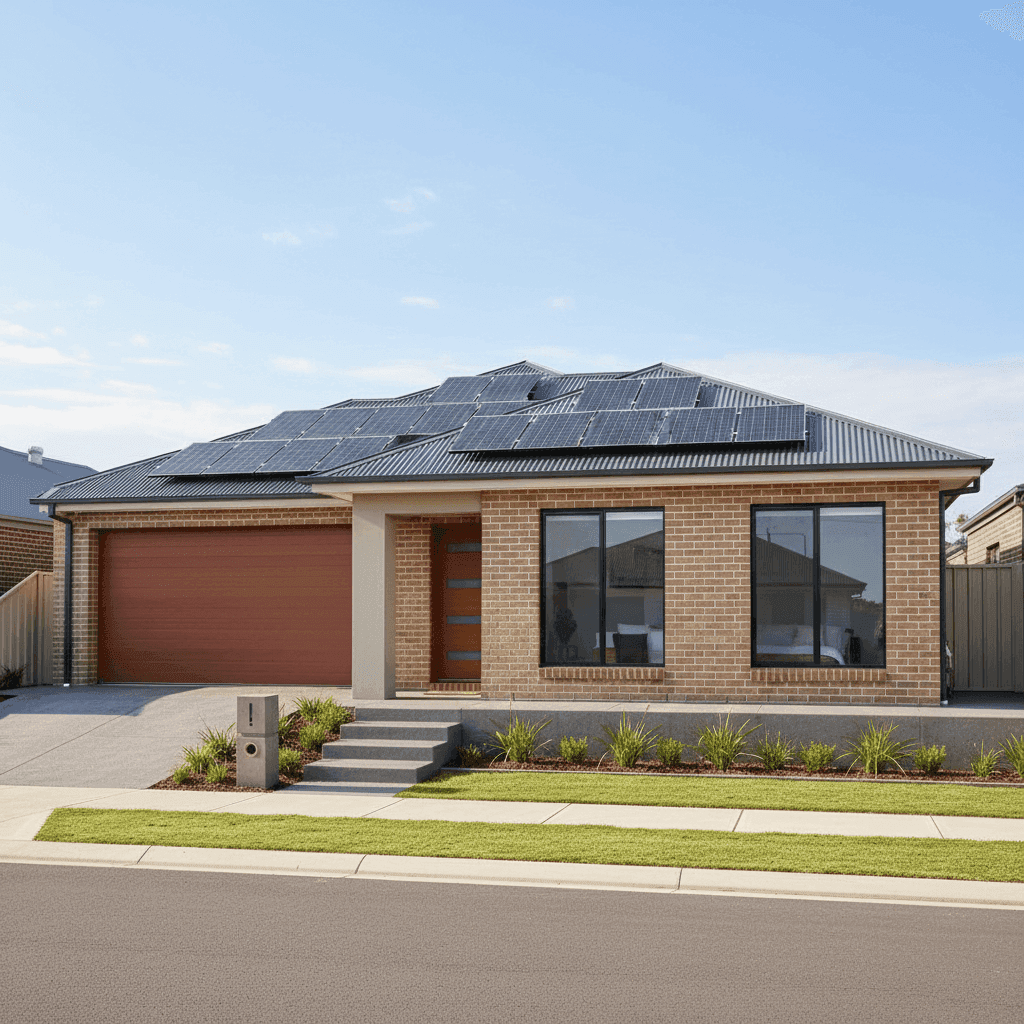
If you own a free standing home in One Mile, NSW 2316, you're likely no stranger to the question of whether your home insurance premium is actually reasonable. One Mile sits within the Port Stephens local government area — a coastal region that blends relaxed lifestyle with real property value. With a well-built, modern home comes real financial exposure, so getting the right cover at the right price matters.
This article breaks down a real home and contents insurance quote for a four-bedroom, two-bathroom brick veneer home in One Mile, comparing it against suburb, state, and national benchmarks to help you understand what you're actually paying for — and whether there's room to do better.
---
Is This Quote Fair?
The quote in question comes in at $6,043 per year (or $579/month) for combined home and contents cover, with a building sum insured of $1,523,000 and contents valued at $201,000. Both the building and contents excess are set at $2,000.
Our pricing engine rates this quote as FAIR — Around Average, and the data backs that up. Within the One Mile suburb, the average premium sits at $6,662/yr, while the median is $5,752/yr. That puts this quote slightly below the local average and just above the local median — comfortably in the middle of the pack.
The 25th to 75th percentile range for One Mile runs from $4,393 to $7,042 per year, meaning this quote lands solidly within the typical spread. It's not the cheapest available, but it's far from the top end either. For a home of this size, age, and specification, "around average" is a reasonable outcome — though there's certainly scope to explore whether a more competitive rate exists for the same level of cover.
---
How One Mile Compares
Understanding your premium in isolation only tells part of the story. Context is everything in insurance pricing.
| Benchmark | Average Premium | Median Premium |
|---|---|---|
| One Mile (2316) | $6,662/yr | $5,752/yr |
| NSW State | $9,528/yr | $3,770/yr |
| National | $5,347/yr | $2,764/yr |
| Port Stephens LGA | $3,116/yr | — |
A few things stand out here. The NSW state average of $9,528/yr is notably high — driven largely by high-risk coastal and flood-prone postcodes across the state. One Mile's average of $6,662/yr is meaningfully lower, suggesting the suburb carries moderate rather than extreme risk.
The national average of $5,347/yr sits below One Mile's suburb average, but the national median of just $2,764/yr reflects how many Australian homes are insured at much lower sums than a 325 sqm, above-average-quality property like this one. Larger, newer, and better-appointed homes simply cost more to rebuild — and premiums reflect that.
Interestingly, the Port Stephens LGA average of $3,116/yr is considerably lower than the One Mile suburb average. This gap likely reflects the diversity of property types across the LGA — from smaller, older homes in inland areas to larger coastal properties like those in One Mile.
You can explore the full suburb data at our One Mile insurance stats page, compare across the state on the NSW stats page, or take a broader view on the national stats page.
---
Property Features That Affect Your Premium
Insurance underwriters don't price homes in a vacuum — every feature of a property feeds into the risk calculation. Here's how the characteristics of this particular home influence its premium:
Brick Veneer Walls & Colorbond Roof Brick veneer is a popular and well-regarded construction type in Australia. It offers solid fire resistance and durability, which insurers generally view favourably. Colorbond steel roofing is similarly well-regarded — it's lightweight, resistant to corrosion, and performs well in high-wind conditions. This combination is a solid foundation (literally and figuratively) for a competitive premium.
Slab Foundation A concrete slab foundation is low-maintenance and resistant to termite ingress and moisture-related movement. Insurers tend to treat slab homes as lower risk compared to homes on stumps or piers, particularly when it comes to subsidence and structural claims.
Construction Year: 2005 Homes built in the mid-2000s benefit from modern building codes that improved structural standards, particularly around cyclone and wind resistance. At just over 20 years old, this home is past the initial warranty period but still well within its useful life — a sweet spot for insurers.
Above Average Fittings Quality This is one of the more significant premium drivers. Above-average fittings — think stone benchtops, quality appliances, premium fixtures — push up the cost to rebuild or repair, which is reflected in the higher building sum insured of $1,523,000. Underinsuring a home with high-spec finishes is a common and costly mistake.
Solar Panels Solar panels add value to a home but also represent an additional asset to insure. Most home insurance policies will cover rooftop solar as part of the building, but it's worth confirming this with your insurer — particularly for the inverter and mounting hardware.
Ducted Climate Control Ducted air conditioning is a significant fixed installation. Like solar, it's typically covered under building insurance, but it's a meaningful contributor to the overall rebuild cost and should be factored into your sum insured calculation.
Slightly Elevated (Less Than 1m) The property is elevated by less than one metre — a minor factor, but one that can slightly reduce flood and stormwater inundation risk compared to ground-level homes in low-lying areas.
---
Tips for Homeowners in One Mile
1. Review Your Sum Insured Regularly With a building sum insured of $1,523,000, this policy reflects a large, well-appointed home. Construction costs in regional NSW have risen sharply in recent years — make sure your sum insured is updated annually to reflect current rebuild costs, not what it cost to build in 2005. Underinsurance can leave you significantly out of pocket after a major claim.
2. Confirm Solar Panel Coverage If you have rooftop solar (as this property does), ask your insurer explicitly whether the panels, inverter, and mounting system are covered under the building policy — and up to what value. Some policies cap solar cover or exclude storm damage to panels. Don't assume it's included without checking.
3. Compare Quotes Before Renewal A "fair" rating means this quote is competitive, but it doesn't mean it's the best available. The insurance market is dynamic, and premiums can vary significantly between providers for identical cover. Get a fresh quote at CoverClub before your renewal date each year — it takes minutes and could save you hundreds.
4. Consider Your Excess Strategy Both the building and contents excess on this policy are set at $2,000. Opting for a higher excess can reduce your annual premium, but only makes sense if you have the financial buffer to cover that excess in the event of a claim. Review this balance periodically as your savings position changes.
---
Ready to See What You Could Be Paying?
Whether you're reviewing an existing policy or shopping for the first time, comparing quotes is the single most effective way to ensure you're not overpaying. CoverClub makes it easy to see how your premium stacks up against real data from your suburb and across Australia.
Get a home insurance quote today and find out if you're paying a fair price — or if there's a better deal waiting for you.