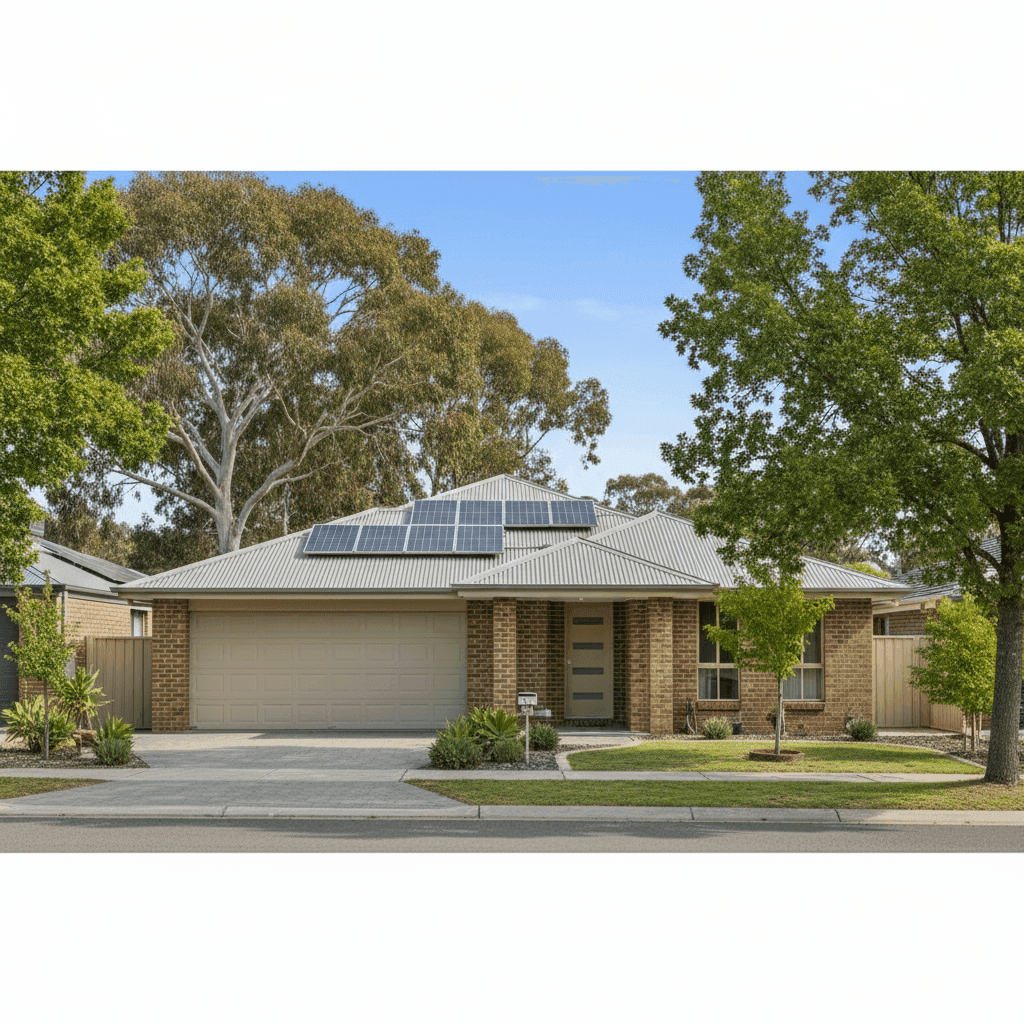
Orange is a thriving regional city in the Central Tablelands of New South Wales, known for its cool climate, apple orchards, and a growing property market that continues to attract both families and retirees. If you own a free standing home in Orange NSW 2800, understanding what you should be paying for home and contents insurance is just as important as knowing your property's value. In this article, we break down a real insurance quote for a 3-bedroom, 2-bathroom brick veneer home in Orange — and put the numbers into context.
---
Is This Quote Fair?
The quote in question comes in at $2,285 per year (or $234 per month) for combined home and contents cover, with a building sum insured of $582,000 and contents valued at $140,000. The building excess is set at $3,000, with a separate $1,000 excess applying to contents claims.
Our price rating for this quote is Expensive — above average for the Orange area.
Based on data from 37 quotes collected for the Orange 2800 postcode, the suburb average sits at $1,462 per year and the median at just $1,135 per year. That means this quote is roughly 56% above the suburb average and more than double the median. Even measured against the 75th percentile — meaning 75% of Orange quotes come in below $1,858 — this premium still lands above that threshold.
In plain terms: three out of four homeowners in Orange are paying less than this quote. That's a meaningful signal that there may be room to find a more competitive deal without sacrificing cover quality.
---
How Orange Compares to the Rest of NSW and Australia
It's worth zooming out to appreciate where Orange sits in the broader insurance landscape.
| Benchmark | Average Premium | Median Premium |
|---|---|---|
| Orange (2800) | $1,462/yr | $1,135/yr |
| NSW (State) | $9,528/yr | $3,770/yr |
| National | $5,347/yr | $2,764/yr |
| Dubbo LGA | $3,426/yr | — |
The NSW state average of $9,528 per year is dramatically higher than what Orange homeowners typically pay — driven largely by high-value coastal properties, flood-prone suburbs in western Sydney, and strata-heavy inner-city areas that skew the figures upward. The state median of $3,770 is a more grounded comparison, and Orange still comes in well below that mark.
Nationally, the average home insurance premium sits at $5,347, with a median of $2,764. Again, Orange tracks comfortably below both figures, reflecting the region's relatively low risk profile compared to cyclone-prone Queensland or flood-affected parts of Victoria and NSW.
Even within the Dubbo LGA — which encompasses a wider region including more rural and higher-risk properties — the average of $3,426 per year is notably higher than what most Orange residents pay. This reinforces that Orange, as a well-serviced regional city, generally enjoys more favourable insurance pricing than many comparable inland NSW locations.
So while this particular quote is above average for Orange, it remains well below state and national benchmarks. That context matters — but it doesn't mean you should accept a premium that's out of step with your local market.
---
Property Features That Affect Your Premium
Several characteristics of this property will have directly influenced the quoted premium. Understanding these factors can help you have more informed conversations with insurers.
Brick veneer construction is generally viewed favourably by insurers. It offers solid fire resistance and structural durability, which can work in your favour compared to timber-clad or weatherboard homes. However, brick veneer is not the same as double brick — the timber frame behind the veneer is still susceptible to termite damage and moisture issues, which some insurers factor in.
Steel/Colorbond roofing is another positive. Colorbond is lightweight, highly durable, and performs well in both extreme heat and heavy rainfall. It's considered lower risk than older terracotta or concrete tile roofs, which can crack or dislodge in storms.
Stump foundations (also called stumps or piers) are common in older Australian homes, particularly those built before the 1990s. This home, constructed in 1985, sits on stumps — which can introduce some uncertainty for insurers if the stumps are original timber, as these can deteriorate over time. Concrete or steel restumping is viewed more favourably. If your stumps have been replaced or inspected recently, it may be worth mentioning this to your insurer.
Solar panels are an increasingly common feature, and this property has them. While solar panels add value to a home, they also introduce additional risk — from storm or hail damage, fire risk at the inverter, and potential complications during roof repairs. Some insurers include solar panels under standard building cover; others require them to be specifically listed. It's worth confirming your policy wording.
Ducted climate control is a significant fixture that adds to the replacement cost of the home. At $582,000 in building sum insured, the policy needs to reflect the full cost of rebuilding — not just the market value — and ducted systems can cost tens of thousands of dollars to replace.
Carpet flooring throughout the home is a contents consideration. Carpet is typically covered under contents insurance for events like water damage or fire, so ensuring your $140,000 contents figure adequately reflects floor coverings, furniture, appliances, and personal belongings is essential.
---
Tips for Homeowners in Orange
1. Shop around — especially if your quote is above the 75th percentile With this quote sitting above the 75th percentile for Orange, there's a strong case for comparing alternatives. Use CoverClub to get a new quote and see what other insurers are offering for the same level of cover. Premiums can vary by hundreds of dollars for identical properties.
2. Review your building sum insured carefully At $582,000, the building sum insured needs to reflect the true cost of rebuilding your home from scratch — including demolition, materials, labour, and fixtures like ducted air conditioning. Underinsurance is a significant risk in regional NSW, where rebuilding costs have risen sharply post-pandemic. Use a building cost calculator or speak to a quantity surveyor if you're unsure.
3. Consider your excess settings The building excess on this policy is $3,000, which is on the higher side. A higher excess typically reduces your premium, but it also means a larger out-of-pocket cost when you claim. If cash flow is a concern, it may be worth comparing quotes with a lower building excess to find the right balance.
4. Check your solar panel coverage Given that solar panels are present on this property, confirm with your insurer exactly how they're covered. Are they included in the building sum insured? Are there any exclusions for storm or hail damage? This is a detail that's easy to overlook but can lead to a nasty surprise at claim time.
---
Find a Better Deal with CoverClub
Whether you're renewing your policy or shopping for the first time, CoverClub makes it easy to compare home and contents insurance quotes tailored to your property in Orange. With real pricing data from across the Orange 2800 postcode and beyond, you can see exactly how your quote stacks up — and make a confident, informed decision. Get your personalised quote today and find out if you're paying more than you should be.