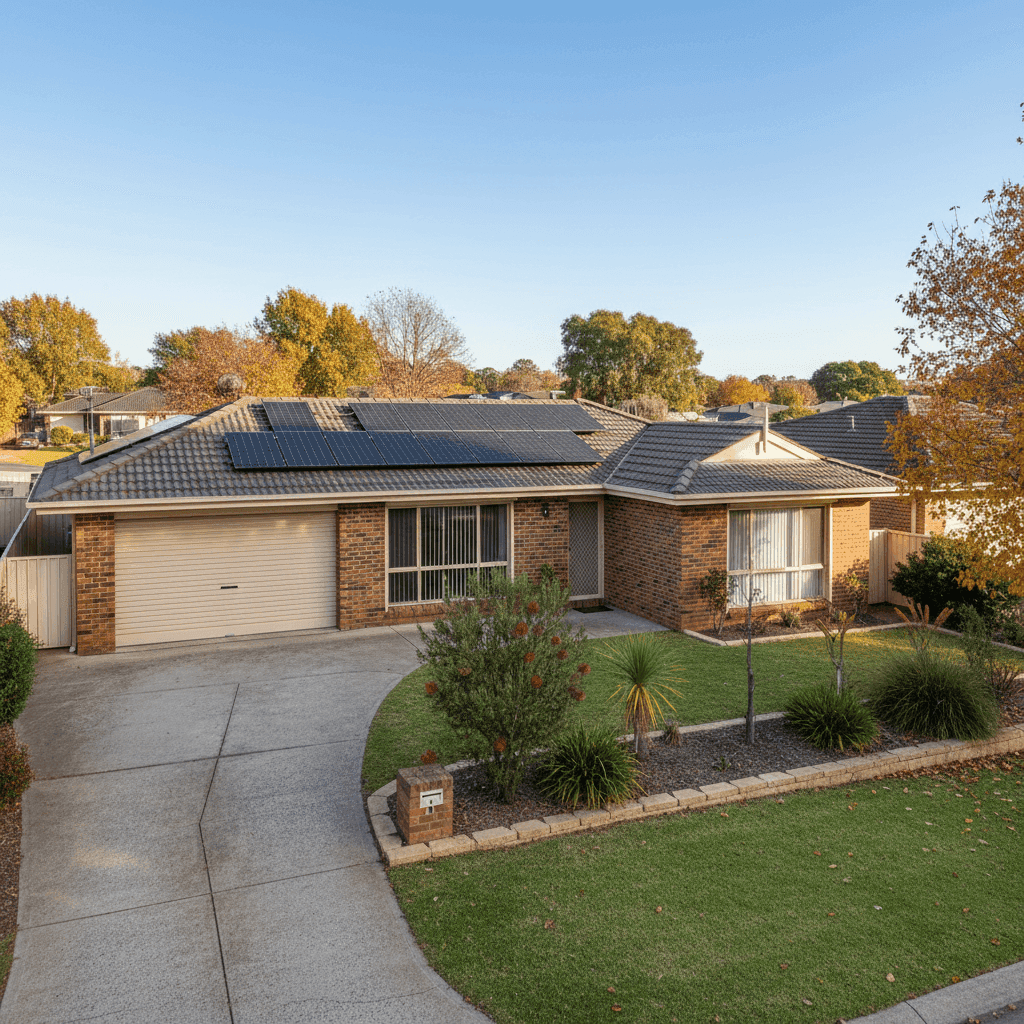
If you own a free standing home in Orange, NSW 2800, you're probably wondering whether you're paying a fair price for building insurance — or quietly overpaying year after year. This article breaks down a real building-only insurance quote for a three-bedroom brick veneer home in Orange, comparing it against local, state, and national benchmarks so you can make a more informed decision at renewal time.
---
Is This Quote Fair?
The quote in question comes in at $1,238 per year (or $121/month) for building-only cover, with a $3,000 building excess. Our price rating for this quote is FAIR — Around Average.
Here's what that means in practice. Based on 120 quotes collected for the Orange 2800 postcode, the suburb's median premium sits at $1,568/yr, and the average is $1,873/yr. This quote lands below both figures — in fact, it's sitting just above the 25th percentile mark of $1,213/yr, meaning roughly three-quarters of comparable quotes in the area are more expensive.
That's a reasonably competitive result. The higher-than-usual $3,000 building excess is likely contributing to the lower premium — insurers typically reward policyholders who are willing to carry more of the initial risk themselves. If you'd prefer a lower excess, expect the annual premium to rise accordingly.
So while this isn't the cheapest quote possible in Orange, it represents solid value relative to what most homeowners in the suburb are paying.
---
How Orange Compares
One of the more striking takeaways from this data is just how affordably Orange sits relative to the broader NSW insurance market.
| Benchmark | Average Premium | Median Premium |
|---|---|---|
| Orange (suburb) | $1,873/yr | $1,568/yr |
| LGA (Dubbo region) | $2,170/yr | — |
| NSW (state) | $3,801/yr | $3,410/yr |
| National | $2,965/yr | $2,716/yr |
The numbers tell a clear story: Orange homeowners are paying significantly less than the NSW state average, which runs at $3,801/yr — more than double the suburb median. Even compared to the national average of $2,965/yr, Orange comes out well ahead.
This is likely a reflection of Orange's relatively low natural disaster risk profile. The Central Tablelands region doesn't face the same cyclone exposure as Queensland, nor the severe bushfire or flood risk that pushes premiums sky-high in many other parts of New South Wales. That said, hail events and cold-weather damage are genuine considerations in Orange given its elevated position and cool climate.
The LGA-level average of $2,170/yr (which groups Orange with the broader Dubbo region) sits between the suburb and state figures — a reminder that even within a relatively affordable region, individual suburb risk profiles can vary meaningfully.
---
Property Features That Affect Your Premium
Several characteristics of this particular property influence what insurers are willing to charge. Here's how the key features stack up:
Brick Veneer Walls & Tiled Roof This is a solid, conventional construction combination that most Australian insurers view favourably. Brick veneer is fire-resistant and durable, while a tiled roof offers good longevity and weather resistance. Together, they generally attract lower premiums compared to timber-clad homes or those with metal or fibrous cement roofing.
Stump Foundation Homes on stumps (also called piers or posts) are common in older Australian properties, and this one — built in 1973 — fits that profile. Stumped foundations can be a mild risk factor for insurers due to the potential for subsidence or movement over time, though this is generally manageable in stable inland soil conditions like those found around Orange.
Construction Year: 1973 At over 50 years old, this home is considered an older dwelling. Insurers may factor in the age of plumbing, wiring, and roofing materials when pricing risk. It's worth ensuring your sum insured accounts for the cost of rebuilding to current standards, including compliance with modern building codes.
Solar Panels The presence of solar panels adds a small layer of complexity to building cover. Panels are typically included under building insurance, but it's worth confirming this with your insurer — particularly around storm damage, hail, and inverter failure. Given Orange's hail exposure, this is worth double-checking in your policy documents.
Sum Insured: $425,000 For a 130 sqm home in Orange, this sum insured appears reasonable, though it's always wise to cross-check against a professional building cost estimate. Underinsurance remains one of the most common and costly mistakes Australian homeowners make — if your rebuild cost has risen due to construction inflation, your cover may not stretch as far as you think.
---
Tips for Homeowners in Orange
1. Review your sum insured annually Construction costs across regional NSW have risen sharply in recent years. What was adequate cover two or three years ago may leave you underinsured today. Use a building cost calculator or consult a quantity surveyor to ensure your $425,000 sum insured still reflects the true cost of rebuilding.
2. Consider your excess carefully The $3,000 building excess on this policy is on the higher side. While it reduces your premium, it means you'll need to cover the first $3,000 of any claim out of pocket. If a mid-range excess (say $1,000–$1,500) better suits your financial situation, compare quotes at both levels to find the right balance.
3. Check your solar panel coverage With panels installed, confirm with your insurer exactly what's covered — including storm and hail damage, accidental breakage, and whether the inverter is included. Orange can experience significant hailstorms, so this is not a box to leave unticked.
4. Shop around at renewal Even a FAIR-rated quote can often be improved. Insurers don't automatically reward loyalty — in fact, many reserve their best pricing for new customers. Set a reminder to compare at least two to three quotes before your renewal date each year.
---
Ready to Compare?
Whether you're happy with your current insurer or looking for something better, it pays to see what else is out there. Get a home insurance quote through CoverClub and compare your options side by side — it only takes a few minutes, and you might be surprised by the difference.
For more local data on home insurance pricing in your area, explore the Orange NSW 2800 suburb stats or browse the full NSW state overview.