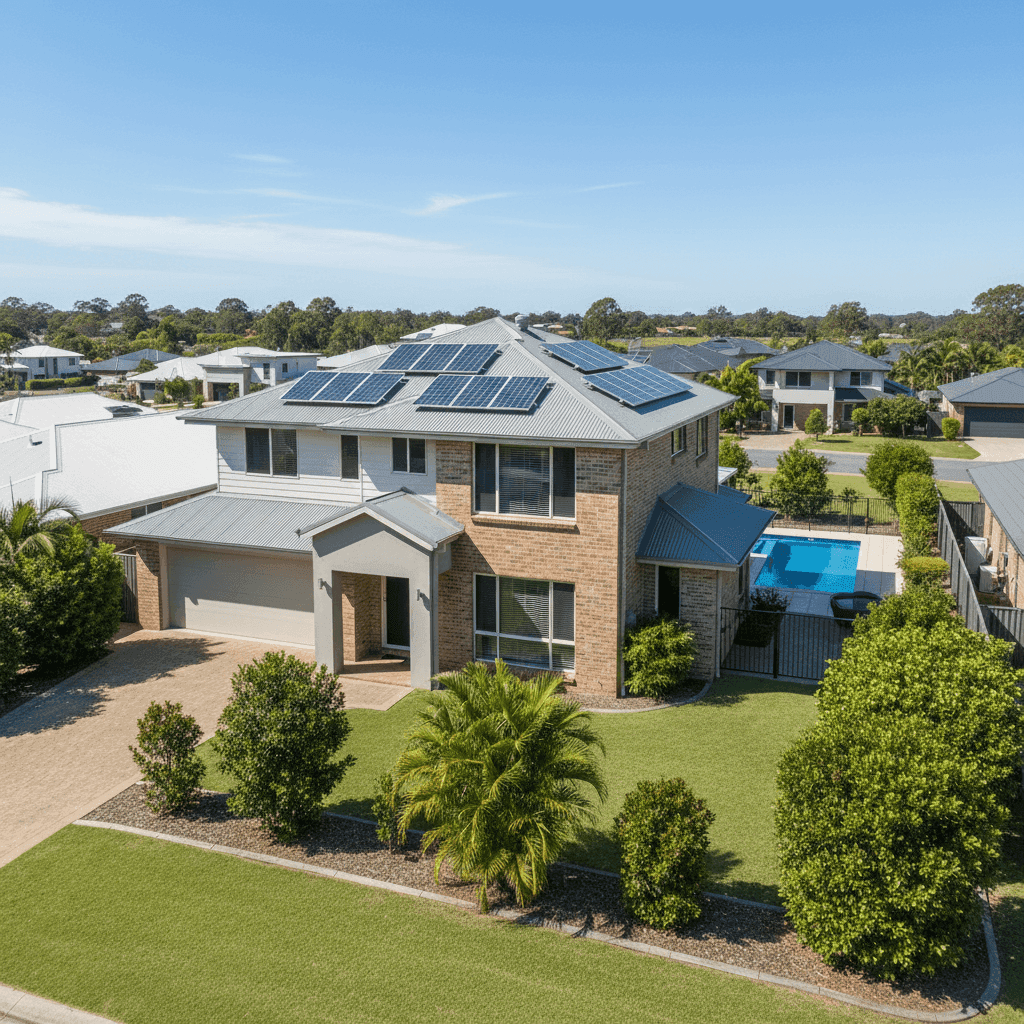
Ormiston is a leafy bayside suburb in Redland City, southeast Queensland, popular with families drawn to its waterfront lifestyle and well-established streetscapes. For owners of larger free standing homes in the area, understanding what drives home insurance costs — and whether a given quote is competitive — can make a meaningful difference to the household budget. This article breaks down a recent home and contents insurance quote for a five-bedroom property in Ormiston (postcode 4160) and puts it in context against local, state, and national benchmarks.
---
Is This Quote Fair?
The quote in question comes in at $3,559 per year (or $348 per month) for combined home and contents cover, with a building sum insured of $1,000,000 and contents valued at $50,000. Both the building and contents excess are set at $5,000.
Our price rating for this quote is Expensive (Above Average). That assessment is based on how the premium sits relative to comparable quotes across the suburb, and it's a signal worth taking seriously — but not one to panic over without context.
A $1,000,000 building sum insured is on the higher end for the suburb, and that alone will push premiums upward. The property also includes a pool, solar panels, and ducted climate control — all features that increase the replacement cost and, by extension, the insured value. That said, even accounting for these factors, the premium sits noticeably above the local median, which suggests there may be room to shop around.
---
How Ormiston Compares
To understand whether this quote is genuinely steep or simply reflective of a well-appointed property, it helps to look at the broader data.
According to Ormiston suburb insurance statistics on CoverClub, the suburb average premium is $2,028 per year, with a median of $2,216. The interquartile range runs from $1,213 (25th percentile) to $2,943 (75th percentile), based on a sample of 39 quotes. At $3,559, this quote sits above the 75th percentile — meaning it's more expensive than at least three-quarters of quotes recorded in the suburb.
Zooming out to the state level, the picture shifts. Queensland home insurance premiums are among the highest in the country, with a state average of $4,547 per year and a median of $3,931. Compared to that benchmark, this quote actually looks quite reasonable — it's well below both the QLD average and median. Queensland's elevated premiums are largely driven by the state's significant exposure to cyclones, floods, and severe storms, particularly in northern and coastal regions.
At the national level, the average home insurance premium sits at $2,965 per year (median: $2,716). This quote is above the national average, though not dramatically so for a five-bedroom home with a high building sum insured.
Within the Redland LGA, the average premium is $3,178 per year — again, below this particular quote, but closer to it than the suburb figures suggest.
| Benchmark | Premium |
|---|---|
| This Quote | $3,559/yr |
| Ormiston Suburb Average | $2,028/yr |
| Ormiston Suburb Median | $2,216/yr |
| Redland LGA Average | $3,178/yr |
| QLD State Average | $4,547/yr |
| National Average | $2,965/yr |
The takeaway: this quote is above average locally, but below average for Queensland as a whole. The property's size and features explain some of the gap, but it's still worth comparing alternatives.
---
Property Features That Affect Your Premium
Several characteristics of this property have a direct bearing on what insurers charge.
Building size and sum insured: At 235 sqm with a $1,000,000 building sum insured, this is a substantial home. Insurers price cover based on the cost to rebuild, and larger homes with higher sums insured naturally attract higher premiums. It's worth periodically reviewing whether your sum insured accurately reflects current construction costs — both over-insurance and under-insurance carry risks.
Brick veneer construction: Brick veneer walls are generally viewed favourably by insurers. They offer solid fire resistance and structural durability, which can help moderate premiums compared to less robust materials like weatherboard or fibre cement.
Colorbond steel roof: Steel roofing is durable and low-maintenance, and most insurers treat it positively. It performs well in hail events and is less susceptible to storm damage than some alternatives, which is a meaningful consideration in southeast Queensland.
Slab foundation: Concrete slab foundations are standard in Queensland and generally carry no premium loading. They're considered stable and are less prone to the subsidence issues that can affect older footing types.
Swimming pool: Pools add to the insured value of the property and can also introduce liability considerations. Some insurers factor pool fencing compliance and maintenance into their risk assessment.
Solar panels: Solar installations are increasingly common, but they do add to the replacement cost of a home. Panels can be damaged by hail or storm events, and their value should be reflected in your building sum insured.
Ducted climate control: Like solar, ducted systems are a significant fixed asset. Ensuring your sum insured accounts for the full replacement cost of these systems is important, particularly as installation costs have risen in recent years.
---
Tips for Homeowners in Ormiston
1. Review your sum insured carefully. A $1,000,000 building sum insured may be appropriate for a large, well-appointed home — but it's worth getting an independent building replacement cost estimate to confirm. Overstating your sum insured means you're paying more in premiums than necessary; understating it leaves you exposed in the event of a total loss.
2. Consider adjusting your excess. Both the building and contents excess on this quote are set at $5,000. A higher excess typically reduces your annual premium, but it means more out-of-pocket costs if you need to make a claim. Think about what you could comfortably afford to pay in a worst-case scenario and set your excess accordingly.
3. Shop around — especially at renewal. Insurers often reserve their best pricing for new customers, meaning loyal policyholders can quietly drift into above-average territory at renewal. Given this quote sits above the Ormiston suburb median, it's a good candidate for comparison. Even a modest saving of $300–$500 per year compounds meaningfully over time.
4. Check what's included for your pool and solar. Not all policies automatically cover solar panels and pools under the standard building definition. Review your Product Disclosure Statement (PDS) to confirm these assets are explicitly covered and that the sum insured is sufficient to replace them at current market rates.
---
Compare Your Options with CoverClub
Whether you're renewing an existing policy or buying cover for the first time, it pays to see what else is on the market. CoverClub makes it easy to compare home and contents insurance quotes for properties across Ormiston and the wider Redland area. Get a quote today and find out whether you could be paying less for the same level of protection.