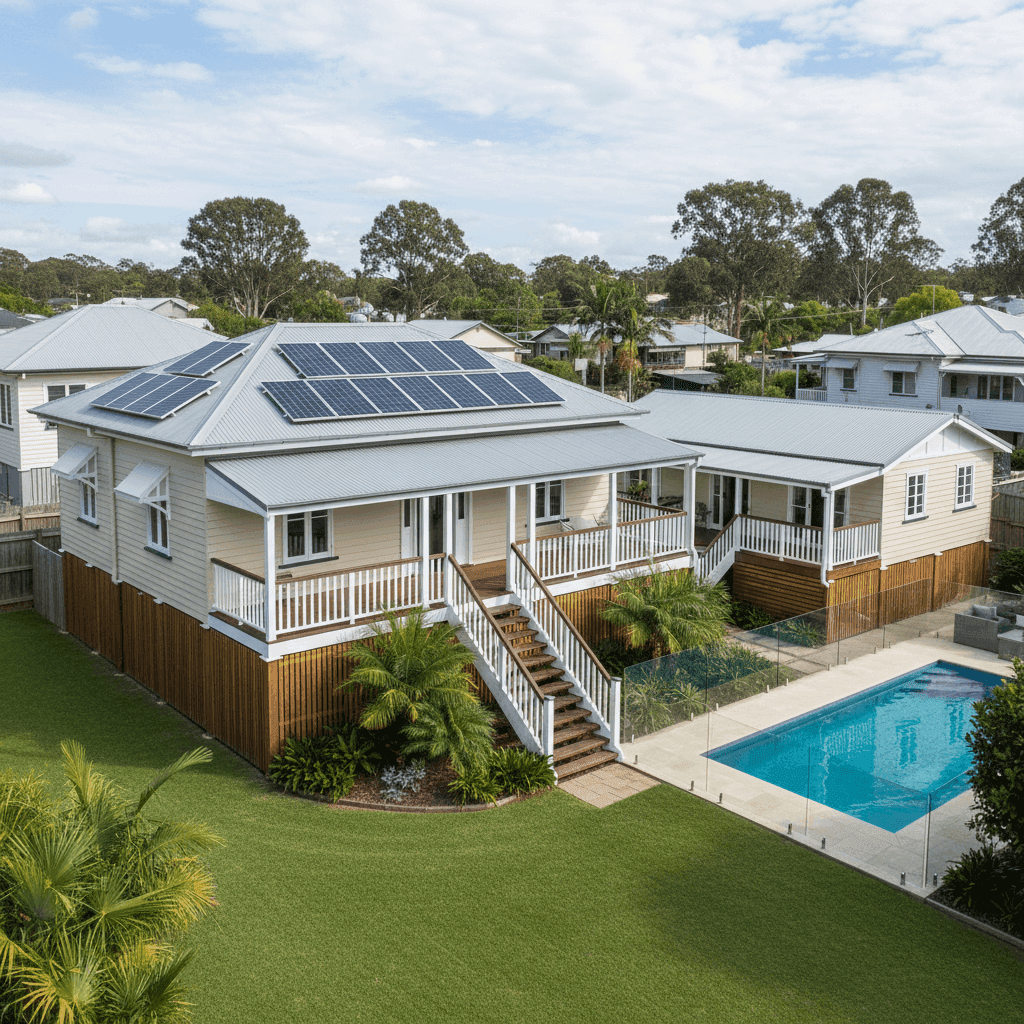
If you own a free standing home in Ormiston, QLD 4160, you already know the appeal — a leafy, bayside suburb on the eastern fringe of the Redland City Council area, with easy access to the water and a relaxed lifestyle. But with that comes the responsibility of protecting what is likely your most valuable asset. Home insurance is non-negotiable, and understanding whether you're getting a fair deal can save you thousands over the life of your policy.
This article breaks down a real building insurance quote for a 3-bedroom, 1-bathroom free standing home in Ormiston — and compares it against what other homeowners in the suburb, across Queensland, and nationally are paying.
---
Is This Quote Fair?
The quote in question comes in at $1,913 per year (or $183/month) for building-only cover with a $1,000 excess and a sum insured of $400,000. Our price rating for this quote? Cheap — below average. That's a genuinely strong result.
To put it in context, the suburb average for Ormiston sits at $3,032 per year, with a median of $3,267. This quote comes in at roughly 37% below the suburb average — a substantial saving. Even against the 25th percentile (the cheapest quarter of quotes in the area, at $2,387/yr), this premium still undercuts the field by more than $470.
So yes — by any reasonable measure, this is a competitive quote worth taking seriously.
---
How Ormiston Compares
Understanding where Ormiston sits in the broader insurance landscape helps frame just how good (or ordinary) any given quote really is.
| Benchmark | Average Premium | Median Premium |
|---|---|---|
| Ormiston (QLD 4160) | $3,032/yr | $3,267/yr |
| Redland LGA | $3,178/yr | — |
| Queensland (state) | $9,129/yr | $3,903/yr |
| National | $5,347/yr | $2,764/yr |
A couple of things stand out here. First, Queensland's state average of $9,129/yr is dramatically higher than the national average — largely driven by extreme weather events in northern and western parts of the state, particularly cyclone-prone regions. Ormiston, sitting in south-east Queensland well outside cyclone risk zones, benefits from a far more moderate risk profile.
Second, the national median of $2,764/yr is actually slightly below Ormiston's suburb median — which tells us that while Ormiston isn't the cheapest place in Australia to insure a home, it's broadly in line with typical Australian pricing. You can explore Queensland-wide insurance data to see how the state's premiums vary dramatically by region.
The quote of $1,913/yr sits comfortably below all of these benchmarks except the national median — and even then, it's only marginally above it. For a property with several features that can push premiums higher (more on that below), this is a solid outcome.
---
Property Features That Affect Your Premium
Every property is different, and insurers weigh up a range of characteristics when calculating your premium. Here's how the features of this particular home likely influenced the quote:
Weatherboard timber construction is one of the more significant factors. Timber-framed homes with weatherboard cladding are considered higher risk than brick veneer or double-brick homes, primarily due to fire susceptibility and the cost of repair or replacement. This typically pushes premiums upward.
Steel/Colorbond roofing, on the other hand, is viewed favourably by insurers. It's durable, resistant to storm damage, and relatively inexpensive to repair — a plus in a region that sees its share of summer storms.
Stump foundations and elevated construction (elevated by at least 1 metre) are classic features of Queensland's beloved "Queenslander" style homes. The elevation can actually work in your favour in flood-prone areas by reducing inundation risk — though insurers will assess the specific flood overlay for your address. The stumps themselves can be a concern if they're timber and showing age, but a well-maintained elevated home is generally insurable without significant penalty.
Vinyl flooring is cost-effective to replace compared to hardwood or tiles, which can moderate your sum insured and, by extension, your premium.
The pool, solar panels, ducted climate control, and granny flat all add to the replacement value of the property and would typically increase the sum insured required. It's worth ensuring your $400,000 building sum insured genuinely covers all of these inclusions — underinsurance is a real risk when a property has multiple high-value fixtures and structures.
No cyclone risk is a meaningful advantage for south-east Queensland homeowners. Properties in cyclone-designated areas can face premiums several times higher than those outside the zone.
---
Tips for Homeowners in Ormiston
1. Double-check your sum insured covers everything. With a pool, solar system, ducted air conditioning, and a granny flat on the property, $400,000 may or may not be sufficient to fully rebuild. Use a building cost calculator or speak with a quantity surveyor to confirm you're not underinsured — it's one of the most common and costly mistakes homeowners make.
2. Review your timber construction maintenance. Weatherboard homes require regular upkeep — painting, checking for rot, and inspecting stumps. Insurers may scrutinise claims more closely on older timber homes, and some may apply exclusions for gradual deterioration. Keeping records of maintenance work can support any future claim.
3. Compare quotes annually. The fact that this quote is rated "cheap" doesn't mean it will stay that way. Insurers reprice policies regularly, and loyalty doesn't always pay. Run a fresh comparison at CoverClub each renewal to make sure you're still getting value.
4. Consider contents cover. This quote covers building only. If you haven't separately arranged contents insurance, your furniture, appliances, and personal belongings have no protection. A combined building and contents policy is worth exploring, particularly given the granny flat — if it's tenanted or used regularly, contents in that space may also need coverage.
---
Compare Your Own Quote
Whether you're renewing an existing policy or shopping for the first time, it pays to know where your premium sits relative to the market. CoverClub makes it easy to compare home insurance quotes across multiple providers in minutes. Get started with your address here and see how your quote stacks up against real data from your suburb and beyond.