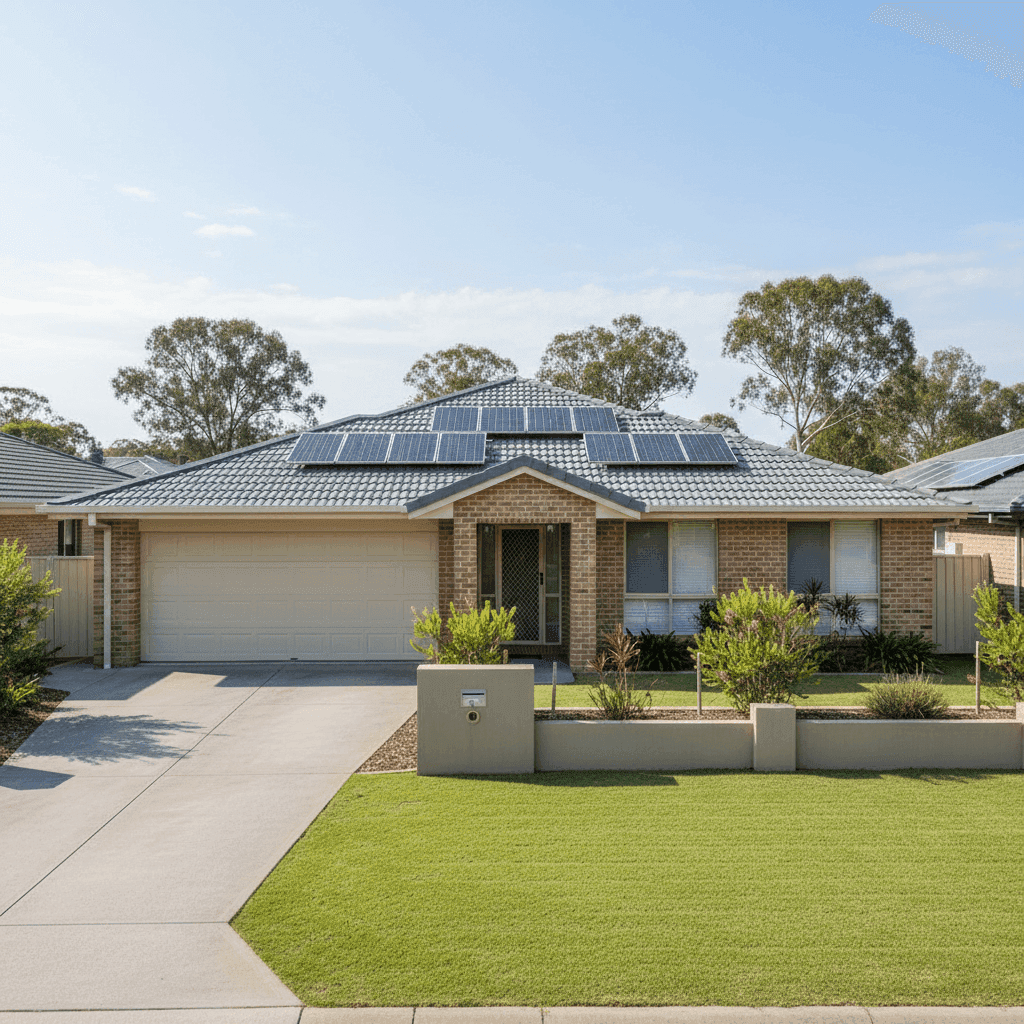
Oxenford is a well-established suburb in the northern Gold Coast, known for its family-friendly streets, proximity to theme parks, and a mix of brick homes that have matured comfortably since the early 2000s. If you own a free standing home here, understanding what you should be paying for home and contents insurance — and why — can save you hundreds of dollars a year. In this article, we analyse a real quote for a 3-bedroom, 2-bathroom brick veneer home in Oxenford (postcode 4210) and put it in context against local, state, and national benchmarks.
---
Is This Quote Fair?
The quote in question comes in at $2,511 per year (or $234/month) for combined home and contents cover, with a building sum insured of $607,000 and contents valued at $50,000. Both the building and contents excess are set at $1,000.
Our pricing engine rates this quote as Fair — Around Average, which is a solid result for a Gold Coast property. It sits comfortably between the suburb's 25th percentile ($2,357/yr) and the median ($3,274/yr), meaning this homeowner is paying less than the majority of comparable properties in the area while still being well within a reasonable range. It's not the cheapest quote possible, but it's far from overpriced — and for a property of this size and specification, that's a reassuring outcome.
To put it bluntly: if you're paying around $2,511 a year for home and contents cover on a 214 sqm brick veneer home in Oxenford, you're doing better than most of your neighbours.
---
How Oxenford Compares
The numbers tell an interesting story when you zoom out from the suburb level. According to data from CoverClub's Oxenford suburb stats, the average premium in Oxenford is $4,299/yr, with a median of $3,274/yr. The wide gap between average and median suggests a skew caused by a handful of high-risk or high-value properties pulling the average upward — which is common in Gold Coast suburbs where property values and flood or storm exposure can vary significantly street by street.
At the Queensland state level, the picture is even more dramatic. The QLD average premium sits at $9,129/yr, though the median is a more moderate $3,903/yr. Queensland's elevated averages are largely driven by cyclone-prone regions in Far North Queensland, where premiums can be eye-watering. The Gold Coast, sitting outside designated cyclone risk zones, tends to fare much better.
Compared to national figures, the Australian average premium is $5,347/yr with a national median of $2,764/yr. This quote of $2,511/yr actually sits just below the national median — a positive sign that the property's characteristics and location are working in the homeowner's favour.
| Benchmark | Average | Median |
|---|---|---|
| Oxenford (4210) | $4,299/yr | $3,274/yr |
| Gold Coast LGA | $8,161/yr | — |
| Queensland | $9,129/yr | $3,903/yr |
| National | $5,347/yr | $2,764/yr |
| This Quote | — | $2,511/yr |
The Gold Coast LGA average of $8,161/yr is worth noting — it reflects the diversity of risk across the region, from beachside properties exposed to storm surge through to hinterland homes with bushfire considerations. Oxenford's position as an inland suburb with relatively modern housing stock helps keep premiums more grounded.
---
Property Features That Affect Your Premium
Several characteristics of this property work together to produce a competitive premium. Here's how each factor plays a role:
Brick Veneer Walls & Tiled Roof Brick veneer construction is regarded favourably by insurers because it offers good fire resistance and structural durability. Combined with a tiled roof — which withstands hail and wind better than corrugated iron in many scenarios — this property presents a lower risk profile than homes built with timber or fibrous cement cladding.
Slab Foundation A concrete slab foundation is standard for homes of this era in South East Queensland and is generally considered low-risk. It eliminates the underfloor void that can complicate claims involving water ingress or pest damage in older homes with raised timber floors.
Construction Year: 2005 Homes built in 2005 benefit from building codes that were significantly updated following the damage caused by severe weather events in the late 1990s and early 2000s. This means stronger tie-downs, better waterproofing standards, and improved structural requirements — all of which reduce risk in insurers' eyes.
Solar Panels This property has solar panels installed, which adds a modest layer of complexity to the insurance picture. Solar panels are typically covered under home insurance as a fixed fixture, but it's worth confirming with your insurer that the panels and inverter are included in your building sum insured. Some policies have sub-limits or exclusions for solar equipment, so always read the Product Disclosure Statement (PDS) carefully.
Ducted Climate Control Ducted air conditioning systems are a common feature in Gold Coast homes and are generally included as a fixed fixture under building cover. Like solar panels, these systems can be expensive to repair or replace, so ensuring your sum insured adequately reflects their value is important.
No Pool The absence of a swimming pool removes a meaningful risk factor. Pools can increase liability exposure and may require specific cover in some policies. Not having one keeps things simpler and marginally reduces premium pressure.
Standard Fittings Quality With standard-grade fittings throughout, the rebuild cost estimate is more predictable and less likely to be underestimated. High-end or custom fittings can significantly increase rebuild costs and, if not properly accounted for, can lead to underinsurance.
---
Tips for Homeowners in Oxenford
1. Review your sum insured regularly Building costs in South East Queensland have risen sharply over the past few years. A sum insured of $607,000 for a 214 sqm home may be appropriate today, but it's worth recalculating your estimated rebuild cost annually — especially if you've renovated or if local construction costs have shifted. Underinsurance is one of the most common and costly mistakes homeowners make.
2. Confirm solar panel coverage in your PDS If you have solar panels (as this property does), take the time to check exactly how your policy treats them. Are they covered for accidental damage? What about inverter failure? Some insurers offer full replacement cover while others apply sub-limits. Knowing this before you need to make a claim can save significant stress.
3. Check your storm and water damage inclusions Oxenford is not in a designated cyclone risk zone, but South East Queensland still experiences severe thunderstorms, heavy rainfall, and flash flooding — particularly during summer. Review your policy to understand what's covered under storm damage versus flood, as these are often defined differently. If your property has any low-lying areas or is near a drainage easement, flood cover may be worth adding if it's not already included.
4. Compare quotes before renewal A "Fair" rating means this quote is competitive — but the insurance market changes every year. Insurers reprice risk constantly, and the best deal today may not be the best deal at your next renewal. Use a comparison tool like CoverClub to benchmark your premium annually and ensure you're not quietly drifting into an overpriced policy.
---
Get a Quote for Your Oxenford Home
Whether you're a first-time buyer or a long-time homeowner in Oxenford, it pays to know where your premium sits relative to the market. CoverClub makes it easy to compare home and contents insurance quotes from multiple insurers in minutes. Start your free quote today and find out if you could be paying less — or whether your current cover is already working hard for you.