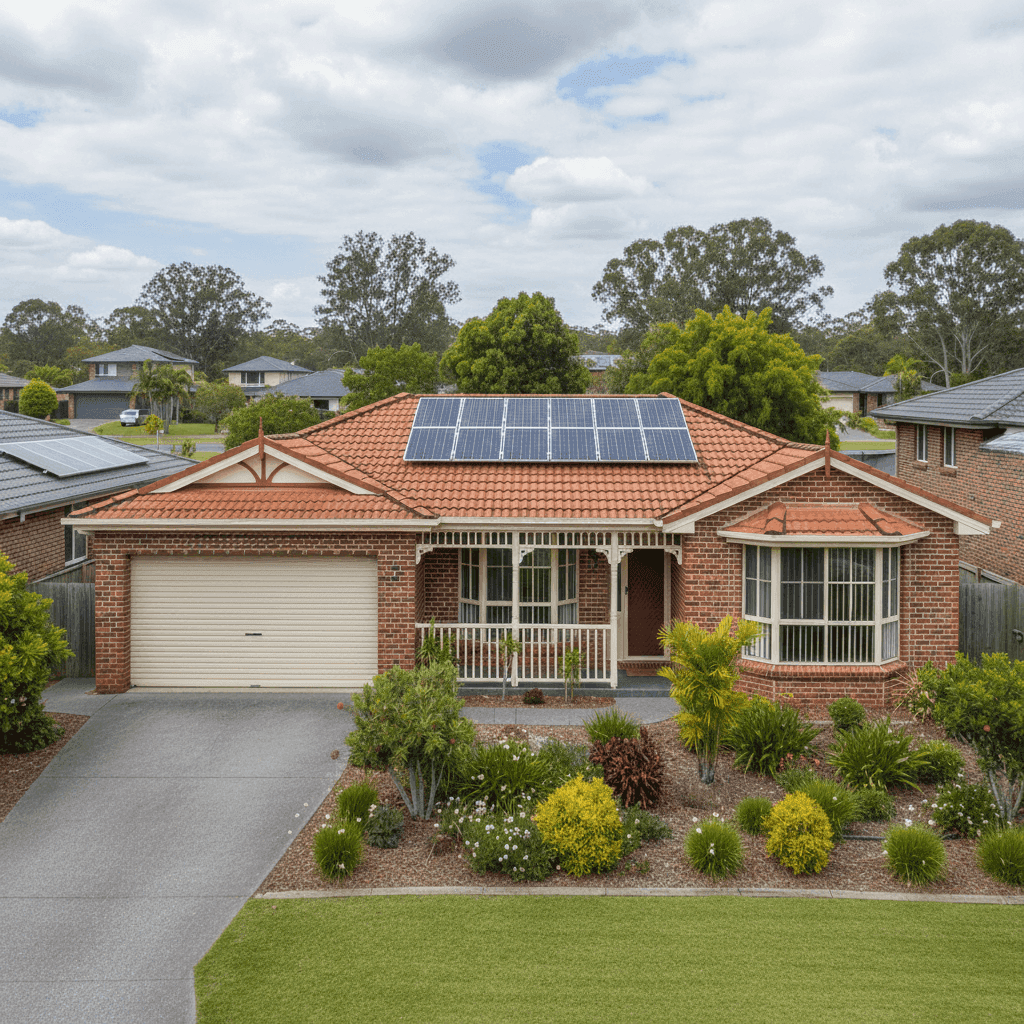
If you own a free standing home in Oxenford, QLD 4210, you're probably wondering whether you're paying a fair price for home insurance — or leaving money on the table. This article breaks down a real home and contents insurance quote for a four-bedroom, two-bathroom brick veneer home in Oxenford, comparing it against suburb, state, and national benchmarks so you can make a more informed decision.
---
Is This Quote Fair?
The quote in question comes in at $2,415 per year (or around $227 per month) for combined home and contents cover, with a building sum insured of $540,000 and contents valued at $60,000. Both the building and contents excess are set at $1,000.
Our price rating for this quote is FAIR — Around Average.
That rating reflects a nuanced picture. Compared to the suburb average of $4,299 per year, this quote looks excellent — it's nearly 44% below what other Oxenford homeowners are paying on average. Even measured against the suburb median of $3,274 per year, this quote sits comfortably below the midpoint. In fact, at $2,415, it's just slightly above the suburb's 25th percentile of $2,357, meaning only about a quarter of comparable quotes come in cheaper.
So why "fair" rather than "great"? Context matters. While the quote beats most local comparisons, the "around average" label reflects that there is still room to potentially find a lower premium with the right insurer — particularly given the property's relatively low-risk profile. A "fair" rating is a solid outcome, but it's a prompt to keep comparing rather than simply accepting the first number on the page.
---
How Oxenford Compares
To understand what this quote really means, it helps to zoom out and look at the broader market. Here's how Oxenford stacks up:
| Benchmark | Premium |
|---|---|
| This Quote | $2,415/yr |
| Oxenford Suburb Average | $4,299/yr |
| Oxenford Suburb Median | $3,274/yr |
| Oxenford 25th Percentile | $2,357/yr |
| Gold Coast LGA Average | $8,161/yr |
| QLD State Average | $9,129/yr |
| QLD State Median | $3,903/yr |
| National Average | $5,347/yr |
| National Median | $2,764/yr |
(Based on 121 quotes sampled for the Oxenford suburb area.)
The numbers tell a striking story. Queensland's average home insurance premium of $9,129 per year is one of the highest in the country, largely driven by cyclone-prone coastal and far-north regions that push the statewide figures up significantly. The QLD state stats show just how wide the spread can be across the state.
The Gold Coast LGA average of $8,161 per year also skews high due to premium-heavy coastal and flood-risk properties in the region. Oxenford, sitting in the northern Gold Coast hinterland, benefits from a more moderate risk profile than many of its coastal neighbours, which is reflected in the lower suburb-level figures. You can explore the full Oxenford suburb stats here.
At the national level, the average premium of $5,347 per year and median of $2,764 per year provide another useful yardstick. This quote sits just above the national median, which aligns with the "fair" rating — competitive in a national context, and well below local and state averages.
---
Property Features That Affect Your Premium
Several characteristics of this property work in the homeowner's favour when it comes to pricing:
Brick veneer construction is generally well-regarded by insurers. It offers solid fire resistance and durability, which can contribute to more competitive premiums compared to timber-framed or clad homes.
Tiled roof is another positive. Tile roofs are considered low-maintenance and resilient, and they tend to attract lower risk assessments than older corrugated iron or more fragile roofing materials.
Concrete slab foundation provides structural stability and is typically viewed favourably by insurers, particularly in Queensland where soil movement and moisture can be concerns.
Built in 1995, the home sits in a sweet spot — modern enough to meet contemporary building standards but established enough to have a proven track record. Homes built in the mid-1990s generally benefited from improved cyclone and building codes introduced after Cyclone Tracy, and this property is also noted as being outside a cyclone risk area, which meaningfully reduces its risk profile.
Solar panels are worth noting. While they add value to the property, they can also introduce a small additional risk factor (fire, storm damage) that some insurers factor into their pricing. It's worth confirming that your policy explicitly covers solar panels — both the panels themselves and any associated electrical components.
Ducted climate control is a higher-value fixture that's typically covered under building insurance, but again, it pays to confirm this is reflected in your sum insured.
Vinyl flooring is relatively affordable to replace compared to hardwood or stone, which can have a modest downward effect on contents and building replacement cost estimates.
With a 214 sqm floor area and standard fittings quality, the $540,000 building sum insured appears reasonable, though homeowners should periodically review their sum insured to ensure it reflects current construction costs, which have risen sharply in recent years.
---
Tips for Homeowners in Oxenford
1. Review your sum insured annually. Construction costs across Queensland have increased significantly since 2020. A sum insured set a few years ago may no longer cover the full cost of rebuilding your home. Use a building cost calculator or speak with a quantity surveyor to ensure you're not underinsured.
2. Confirm solar panel coverage. Not all standard home insurance policies automatically cover solar panels as part of the building. Check your Product Disclosure Statement (PDS) to confirm your panels are included — and that the inverter and mounting hardware are covered too.
3. Shop around at renewal time. Even if your current premium looks competitive against local averages, insurers often reserve their best rates for new customers. Set a reminder to compare quotes before your policy renews each year — loyalty doesn't always pay in the insurance market.
4. Consider your excess carefully. Both the building and contents excess on this policy are set at $1,000. Opting for a higher voluntary excess can reduce your annual premium, but make sure you'd be comfortable covering that amount out of pocket in the event of a claim. For many homeowners, a $1,000 excess strikes a reasonable balance.
---
Ready to Compare?
Whether you're reviewing an existing policy or shopping for the first time, comparing quotes is the single most effective way to ensure you're not overpaying. Get a home insurance quote at CoverClub to see how your property stacks up and find the cover that suits your needs and budget.