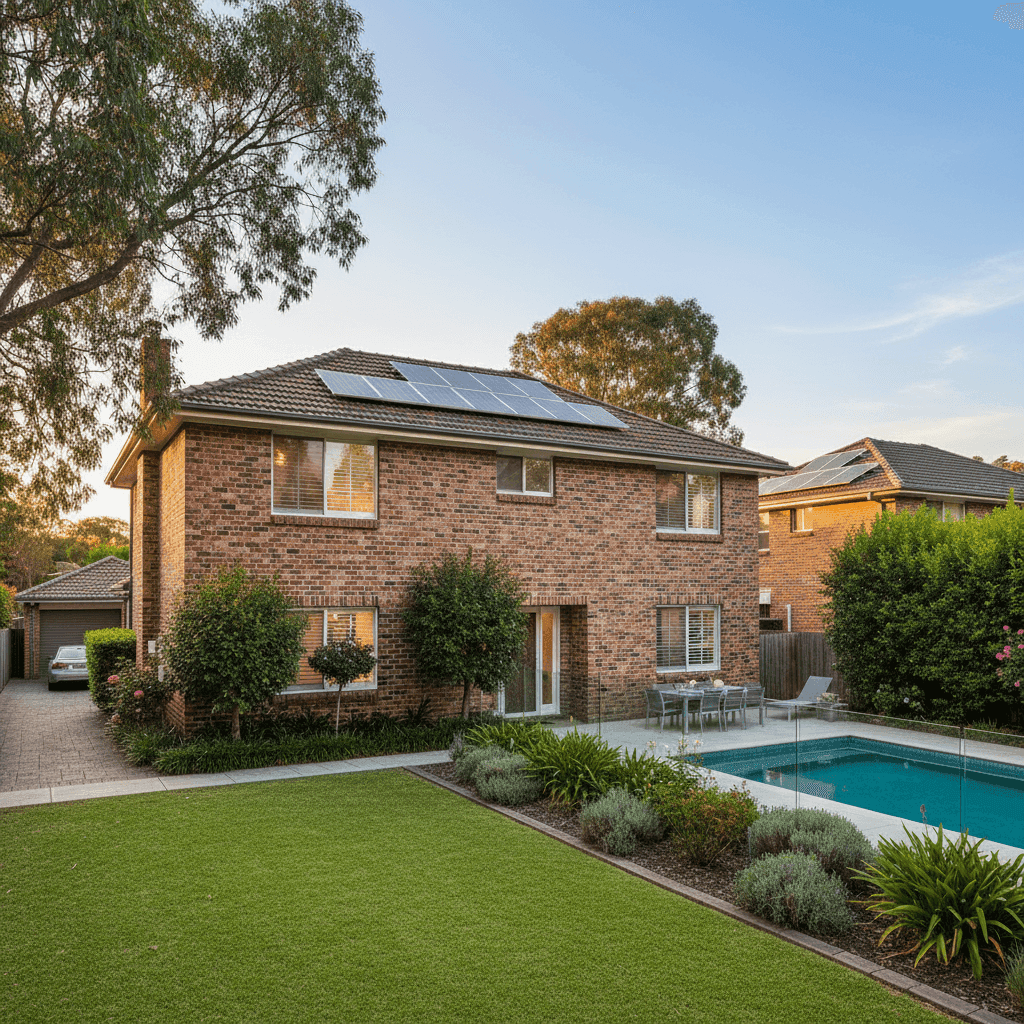
Oyster Bay is a leafy, waterside suburb nestled in the Sutherland Shire on the southern outskirts of Sydney. Known for its quiet streets, established gardens, and proximity to the Georges River, it's a popular choice for families seeking space and lifestyle in equal measure. For owners of a substantial five-bedroom, double brick free standing home in this area, understanding what you should be paying for home and contents insurance is an important part of protecting one of your most valuable assets.
This article breaks down a recent insurance quote of $2,802 per year (or $275/month) for a property in Oyster Bay — covering $1,134,000 in building sum insured and $100,000 in contents — and puts it in context against local, state, and national benchmarks.
---
Is This Quote Fair?
The short answer: yes, broadly speaking. This quote has been rated Fair (Around Average), which means it sits comfortably within the normal range for comparable properties in the area — not a bargain, but not an outlier either.
At $2,802 per year, the premium sits just above the Oyster Bay suburb average of $2,674/yr and above the suburb median of $2,595/yr. It falls within the interquartile range for the suburb (25th percentile: $2,472/yr — 75th percentile: $2,891/yr), which tells us this is a genuinely representative price for the postcode rather than an anomaly in either direction.
In practical terms, paying $128 more than the suburb average isn't cause for alarm — especially given the size and features of this property. A 286 sqm home with a pool, solar panels, and ducted climate control carries more replacement risk than a standard three-bedroom brick veneer, and insurers price accordingly.
---
How Oyster Bay Compares
To truly appreciate where this quote lands, it helps to zoom out and look at the broader picture.
| Benchmark | Premium |
|---|---|
| This quote | $2,802/yr |
| Oyster Bay suburb average | $2,674/yr |
| Oyster Bay suburb median | $2,595/yr |
| NSW average | $3,801/yr |
| NSW median | $3,410/yr |
| National average | $2,965/yr |
| National median | $2,716/yr |
Compared to the NSW state average of $3,801/yr, this quote is notably cheaper — nearly $1,000 less per year. That's a meaningful saving, and it reflects the relatively lower risk profile of Oyster Bay compared to many other parts of New South Wales. Areas in regional NSW, coastal flood zones, and bushfire-prone corridors tend to push the state average upward significantly.
Against the national average of $2,965/yr, this quote again comes in below the benchmark, which is encouraging for a property of this size and value.
One figure worth flagging is the Sutherland LGA average of $23,423/yr — a number that looks startling at first glance, but is almost certainly skewed by a small number of very high-value or high-risk properties in the dataset. It's not a useful comparator for a typical residential home and should be interpreted with caution.
---
Property Features That Affect Your Premium
Several characteristics of this property have a direct bearing on what insurers charge. Understanding them helps you make sense of your quote — and potentially negotiate a better one.
Double Brick Construction Double brick is generally viewed favourably by insurers. It's durable, fire-resistant, and less susceptible to storm damage than lighter cladding materials. Homes built this way often attract more competitive premiums, all else being equal.
Tiled Roof Concrete or terracotta tiles are considered a solid roofing choice in insurance terms. They perform well in hail and wind events and have a long lifespan, which reduces the likelihood of a weather-related claim.
Construction Year: 1975 A home built in 1975 is now approaching 50 years old. While double brick construction ages well, insurers may factor in the potential for ageing plumbing, wiring, and structural elements. Keeping maintenance up to date — and being able to demonstrate that — can help manage this risk factor.
Swimming Pool Pools add to the insured value of a property and introduce liability considerations. They also require specific inclusions in your policy to ensure the structure itself (and any associated equipment) is covered.
Solar Panels Solar installations are increasingly common, but they're also a meaningful replacement cost item. Panels, inverters, and associated wiring need to be accounted for in your sum insured — and it's worth confirming with your insurer exactly how they're covered under your policy.
Ducted Climate Control Ducted air conditioning systems are expensive to repair or replace. Like solar, this is the kind of fixed installation that can be overlooked when calculating a building sum insured, leading to underinsurance.
Slab Foundation & Tiled Flooring These are generally neutral-to-positive factors from an insurance perspective. Slab foundations are stable and low-maintenance, and tiled floors are easy to repair and resistant to water damage.
---
Tips for Homeowners in Oyster Bay
1. Review your sum insured carefully At $1,134,000, the building sum insured on this quote is substantial — but with a 286 sqm double brick home featuring a pool, solar system, and ducted air conditioning, it may be exactly right. Use a building cost calculator to verify your figure annually. Underinsurance is one of the most common — and costly — mistakes homeowners make.
2. Check what's included for your pool and solar Not all policies treat pools and solar panels the same way. Some cover them automatically as part of the building; others require specific endorsements. Read the Product Disclosure Statement carefully and ask your insurer directly if you're unsure.
3. Consider your excess structure This quote carries a $3,000 building excess and a $1,000 contents excess. A higher excess generally lowers your premium, but make sure you could comfortably cover that cost out of pocket in the event of a claim. If $3,000 feels like a stretch, it may be worth paying a slightly higher premium for a lower excess.
4. Compare quotes at renewal time The insurance market moves. A rate that was competitive last year may not be the best available this year. Shopping around at renewal — rather than simply accepting the automatic rollover — is one of the easiest ways to ensure you're not overpaying.
---
Ready to Compare?
Whether you're reviewing your current policy or shopping for the first time, CoverClub makes it easy to see how your quote stacks up. Get a home insurance quote today and compare your options with confidence — backed by real data from homeowners across Australia.