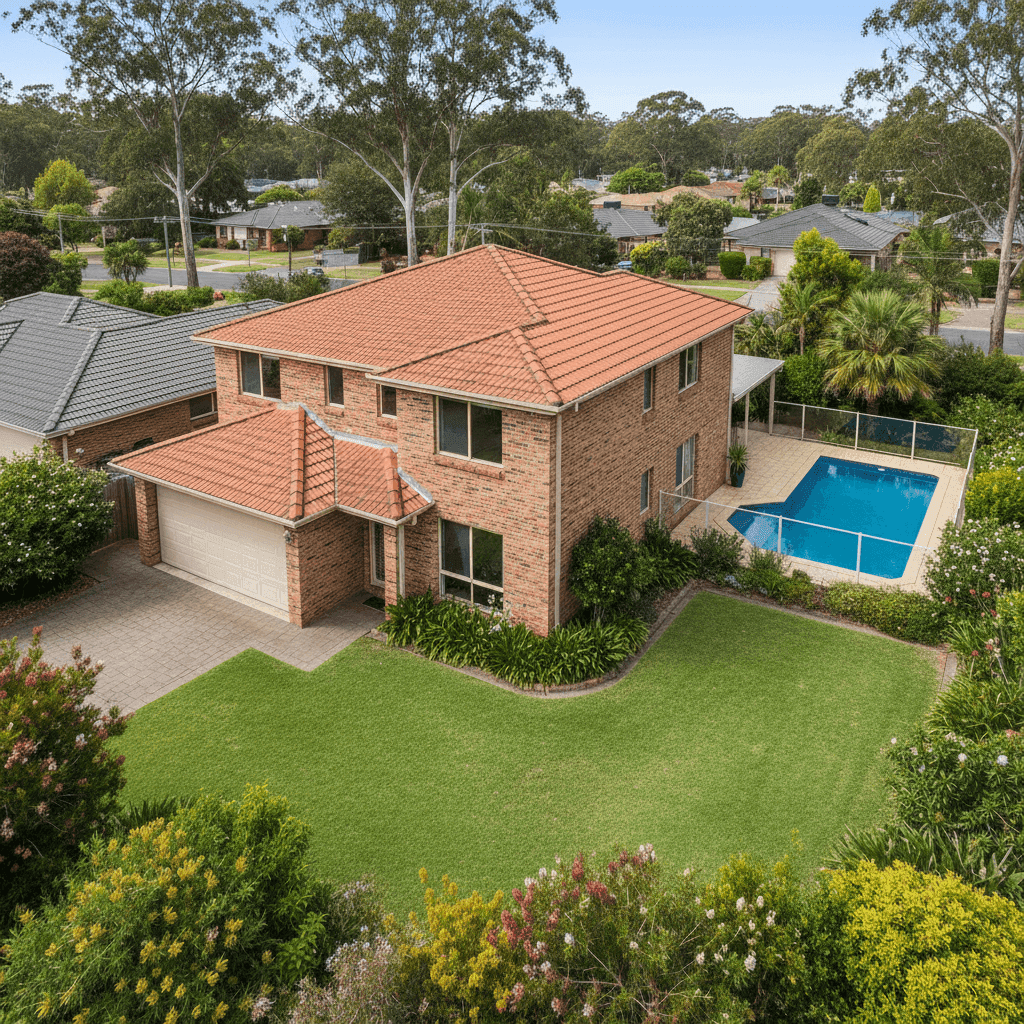
If you own a free standing home in Oyster Bay, NSW 2225, you've probably wondered whether you're paying a fair price for home insurance — or quietly overpaying year after year. Oyster Bay is a leafy, sought-after suburb in the Sutherland Shire, known for its waterfront access, established streetscapes, and solid brick homes. With property values climbing and the cost of rebuilding rising alongside them, getting the right cover at the right price has never been more important.
This article breaks down a real home and contents insurance quote for a four-bedroom, two-bathroom free standing home in Oyster Bay — and puts it under the microscope against suburb, state, and national benchmarks.
---
Is This Quote Fair?
The quote in question comes in at $2,840 per year (or $272/month) for combined home and contents cover, with a building sum insured of $900,000 and contents valued at $65,000. Both the building and contents excesses are set at $1,000.
Our pricing engine rates this quote as FAIR — Around Average, and the data backs that up. The suburb average premium for Oyster Bay sits at $2,838/yr, meaning this quote is tracking almost exactly in line with what other homeowners in the area are paying. It falls comfortably within the middle of the market — above the 25th percentile ($2,438/yr) but well below the 75th percentile ($3,087/yr).
In plain terms: you're not getting a bargain, but you're not being stung either. If you're happy with your insurer's reputation and policy inclusions, this is a reasonable price to pay for the level of cover on offer.
That said, "average" doesn't mean you can't do better. Even a modest saving of $200–$400 per year adds up to thousands over the life of your mortgage.
---
How Oyster Bay Compares
To put this quote in proper context, it helps to zoom out and look at the broader picture. You can explore the full data on the Oyster Bay insurance stats page, the NSW state overview, and national insurance benchmarks.
| Benchmark | Average Premium | Median Premium |
|---|---|---|
| Oyster Bay (suburb) | $2,838/yr | $2,615/yr |
| NSW (state) | $9,528/yr | $3,770/yr |
| National | $5,347/yr | $2,764/yr |
| Sutherland LGA | $23,423/yr | — |
A few things stand out here. The NSW state average of $9,528/yr looks alarming at first glance, but this is heavily skewed by high-risk and high-value properties across the state — the median of $3,770/yr is a more representative figure, and Oyster Bay sits comfortably below it. Similarly, the Sutherland LGA average of $23,423/yr is an outlier figure likely distorted by a small number of very high-value or high-risk properties within the local government area.
Nationally, the median premium is $2,764/yr — and this quote of $2,840/yr sits just slightly above that, which is entirely reasonable given the $900,000 building sum insured and the Sydney property market context.
The takeaway? Oyster Bay homeowners are, on the whole, paying less than the state and national averages — a reflection of the suburb's relatively low natural hazard risk profile and well-established housing stock.
---
Property Features That Affect Your Premium
Insurance premiums aren't pulled from thin air — they're calculated based on a detailed assessment of your property's characteristics. Here's how the key features of this particular home influence the quote:
Brick Veneer Walls Brick veneer is one of the most common external wall types in Sydney's southern suburbs, and insurers generally view it favourably. It offers solid fire resistance and durability, which can help keep premiums competitive compared to, say, weatherboard or lightweight cladding.
Tiled Roof Terracotta or concrete tiles are another reassuring signal for underwriters. They're long-lasting, fire-resistant, and less susceptible to storm damage than corrugated iron in many scenarios. A 1985 build with an original tiled roof may, however, prompt questions about maintenance — older tiles can crack or shift over time, so keeping the roof in good condition is worth prioritising.
Slab Foundation A concrete slab foundation is considered low-risk by most insurers. It's resistant to termite entry and generally stable in the soil conditions common to the Sutherland Shire area.
Timber and Laminate Flooring Flooring type can affect contents and building claims, particularly in water damage scenarios. Timber and laminate floors can warp significantly if exposed to moisture, which is worth keeping in mind when assessing your contents cover level.
Swimming Pool Having a pool on the property adds a layer of complexity to your policy. Pools can be a source of liability and are also expensive to repair or replace. It's worth confirming that your policy explicitly covers pool infrastructure — including pumps, filtration systems, and surrounds — under your building sum insured.
Ducted Climate Control Ducted air conditioning systems are a meaningful asset and should be factored into your building sum insured. These systems can cost $10,000–$25,000+ to replace and are often underestimated in rebuild cost calculations.
Construction Year: 1985 A home built in 1985 is nearly 40 years old. While well-constructed homes of this era are generally solid, insurers may factor in the age of electrical wiring, plumbing, and roofing when assessing risk. Regular maintenance and updated safety systems (like smoke alarms) can help manage premiums.
---
Tips for Homeowners in Oyster Bay
1. Review your building sum insured regularly At $900,000, this policy's building sum insured is substantial — but construction costs in Sydney have risen sharply. Use a building cost calculator or speak with a quantity surveyor to ensure your sum insured reflects current rebuild costs, not what you paid for the property years ago.
2. Don't overlook your pool in your building cover Pools, pumps, filtration systems, and decking can represent tens of thousands of dollars in replacement value. Confirm with your insurer exactly what pool-related infrastructure is covered and whether any sub-limits apply.
3. Consider a higher excess to reduce your premium With both excesses currently set at $1,000, there may be room to increase these — particularly on the contents side — in exchange for a lower annual premium. If you have a solid emergency fund, a higher excess can be a smart trade-off.
4. Shop around at renewal time Insurance loyalty rarely pays. Insurers often reserve their best pricing for new customers, meaning long-standing policyholders can quietly drift into overpriced territory. Set a reminder to compare quotes at least 30 days before your renewal date.
---
Compare Your Quote with CoverClub
Whether you're renewing your existing policy or shopping for cover on a new purchase, it pays to see the full picture. CoverClub makes it easy to compare home and contents insurance quotes across Australia's leading insurers — all in one place, without the hassle.