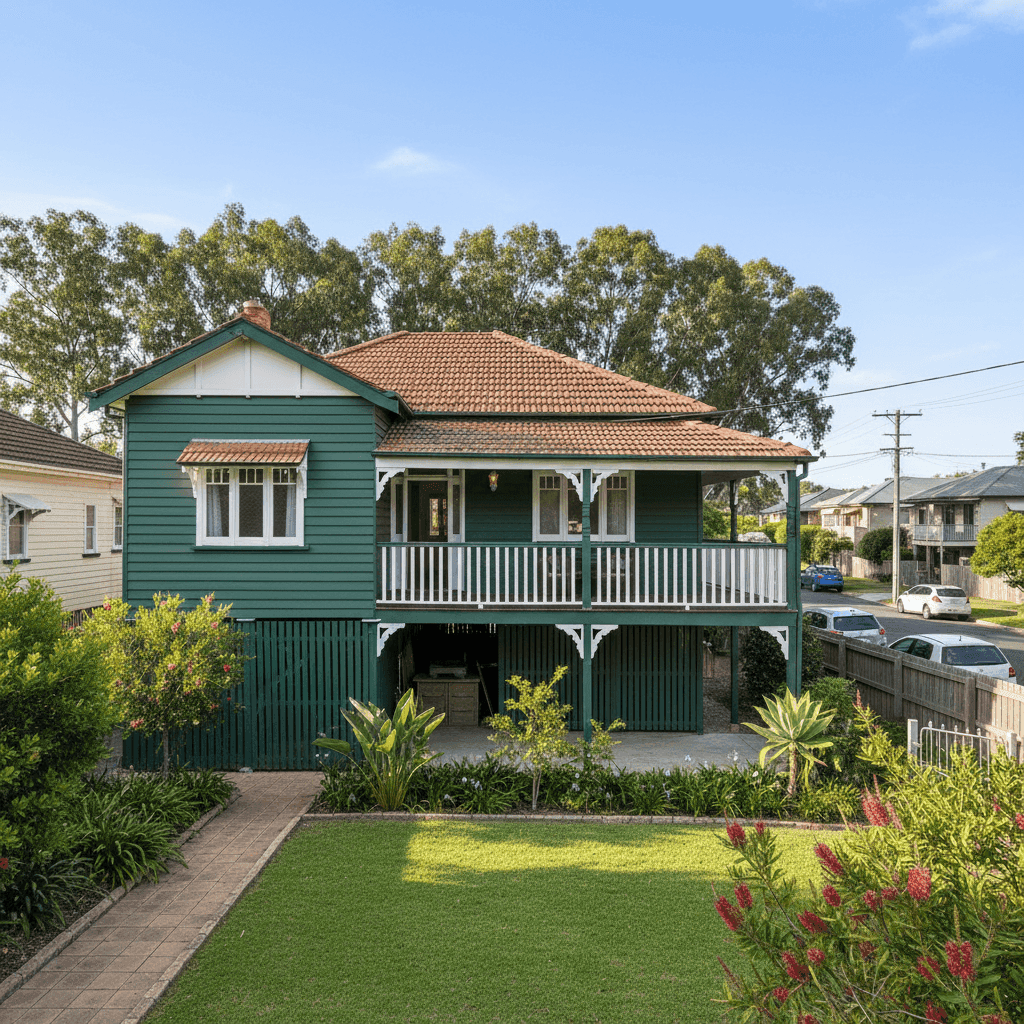
Oyster Bay is a quiet, leafy suburb nestled on the shores of the Georges River in Sydney's south, sitting within the Sutherland Shire local government area. It's the kind of place where established homes on generous blocks line streets shaded by mature trees — and where homeowners rightly want to make sure their biggest asset is properly protected. This article breaks down a real home and contents insurance quote for a 3-bedroom, 2-bathroom free-standing home in Oyster Bay (NSW 2225), and puts that price in context against local, state, and national benchmarks.
---
Is This Quote Fair?
The annual premium on this quote comes in at $2,629 per year (or $252/month), covering a building insured for $595,000 and contents valued at $150,000 — both with a $1,000 excess. Our price rating for this quote is CHEAP (Below Average), meaning it sits comfortably under what most Australian homeowners are paying for comparable cover.
To put that in perspective:
- The NSW state average premium is $9,528/year — this quote is roughly 73% cheaper than that figure.
- The NSW state median sits at $3,770/year — still well above this quote.
- The national average is $5,347/year, and the national median is $2,764/year — this quote edges just below the national median, reinforcing its value.
By any measure, a premium of $2,629 for combined home and contents cover in the Sutherland Shire represents genuinely competitive pricing. Homeowners in this area who haven't shopped around recently may well be paying significantly more for similar protection.
---
How Oyster Bay Compares
While suburb-level data isn't available for Oyster Bay specifically, we can draw meaningful comparisons using broader datasets. You can explore NSW insurance statistics and national insurance statistics on CoverClub for a fuller picture.
One figure that stands out is the Sutherland LGA average premium of $23,423/year — an extraordinarily high figure that likely reflects a small number of very high-value or high-risk properties skewing the average upward. This is a good reminder that LGA averages can be misleading; the median is often a more useful benchmark for typical homeowners.
| Benchmark | Annual Premium |
|---|---|
| This quote | $2,629 |
| National median | $2,764 |
| NSW state median | $3,770 |
| NSW state average | $9,528 |
| National average | $5,347 |
| Sutherland LGA average | $23,423 |
For Oyster Bay homeowners, this quote represents strong value — sitting below the national median and dramatically below both state and LGA averages. You can dig into the Oyster Bay suburb stats as more local data becomes available.
---
Property Features That Affect Your Premium
Several characteristics of this particular property influence how insurers price the risk — some favourably, some less so.
Weatherboard Timber Walls
Weatherboard construction is one of the most common wall types in older Sydney suburbs, and it does carry a higher fire risk than brick or rendered masonry. Insurers typically factor this in, which can push premiums upward. That said, well-maintained weatherboard homes are a known quantity for underwriters, and the pricing here suggests this risk is being managed effectively.
Tiled Roof
Terracotta or concrete tile roofs are generally viewed favourably by insurers. They're durable, fire-resistant, and long-lasting — all qualities that reduce the likelihood of weather-related claims. This is a positive factor for the premium.
Stump Foundation & Elevated Structure
The home is elevated by at least one metre on stump foundations — a construction style common in older NSW and Queensland homes. Elevation can actually be a flood mitigation factor, as it lifts the floor level above potential inundation. However, stumped homes can also be more susceptible to certain types of storm damage and may require additional consideration around subfloor maintenance.
Timber and Laminate Flooring
Timber and laminate floors are a standard feature in homes of this era and construction type. While they add to the character and value of the home, they can be more costly to repair or replace after water damage compared to tiles — something worth keeping in mind when setting your contents and building sum insured.
Construction Year: 1975
At approximately 50 years old, this home is considered established. Older homes can attract slightly higher premiums due to ageing electrical wiring, plumbing, and structural elements. However, many homes of this vintage have been updated over the decades, and insurers will factor in overall condition.
Ducted Climate Control
The presence of ducted air conditioning adds to the replacement value of the home's fixtures and fittings, and is appropriately captured in the building sum insured. It's worth reviewing this coverage annually to ensure it keeps pace with installation costs.
No Pool, No Solar Panels
The absence of a pool removes a common liability and maintenance risk from the equation. Similarly, no solar panels means one less system to insure or factor into rebuilding costs — both of which simplify the risk profile slightly.
---
Tips for Homeowners in Oyster Bay
1. Review Your Sum Insured Annually
With building costs rising across NSW, the $595,000 sum insured should be reviewed each year to ensure it reflects current construction costs in the Sutherland Shire. Underinsurance is one of the most common — and costly — mistakes homeowners make.
2. Maintain Your Weatherboard Cladding
Timber weatherboard requires regular painting and sealing to prevent rot, moisture ingress, and pest damage. Keeping your external walls in good condition not only protects the home but can support your claim if damage occurs — insurers may reduce payouts if poor maintenance contributed to a loss.
3. Check Under the House
With a stumped foundation, the subfloor space deserves regular attention. Ensure adequate ventilation, check for signs of termite activity, and make sure stumps are in good structural condition. Some insurers exclude damage caused by gradual deterioration, so proactive maintenance is key.
4. Bundle and Compare
This quote already reflects competitive pricing for combined home and contents cover. If you're currently holding separate policies — or haven't compared in more than 12 months — it's worth running a fresh comparison. Premiums can shift significantly year to year, and loyalty doesn't always pay.
---
Ready to Compare Your Options?
Whether you're a first-time buyer in Oyster Bay or a long-time local looking to make sure you're not overpaying, CoverClub makes it easy to compare home and contents insurance quotes side by side. Get a quote today at CoverClub and see how your current premium stacks up against the market — you might be surprised by what you find.