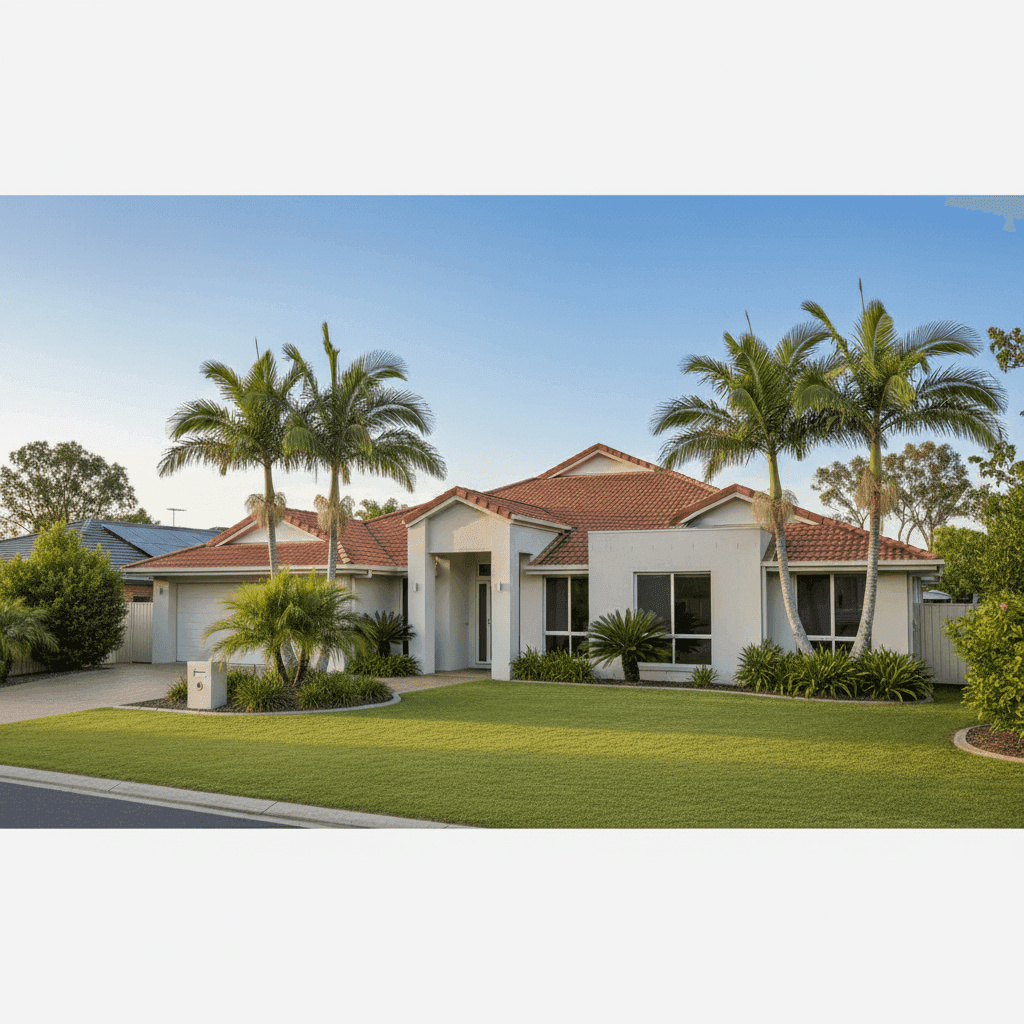
If you own a free standing home in Pacific Heights, QLD 4703, you already know that insuring a property in coastal Central Queensland comes with its own set of considerations — not least of which is cyclone risk. This article breaks down a real home and contents insurance quote for a five-bedroom, three-bathroom home in Pacific Heights, compares it against local, state, and national benchmarks, and offers practical tips to help you get better value on your cover.
---
Is This Quote Fair?
The quote in question sits at $3,236 per year (or $310 per month) for combined home and contents insurance, with a building sum insured of $1,302,000 and contents valued at $50,000. The building excess is $2,000 and the contents excess is $500.
Our analysis rates this quote as Expensive (Above Average). Here's why that matters in context.
The suburb average premium for Pacific Heights is $2,763 per year, with a median of $2,649. This quote lands above the 75th percentile for the suburb (which sits at $3,197/yr), meaning it's pricier than roughly three-quarters of comparable quotes in the area. That's a meaningful gap — you're paying around $473 more per year than the suburb average, and about $587 more than the median.
That said, it's worth noting the sample size for Pacific Heights is relatively small at nine quotes, so the local benchmarks should be interpreted with some caution. Even so, the pattern is clear: this quote is on the higher end of what locals are paying.
---
How Pacific Heights Compares
To put this quote into broader perspective, let's look at how Pacific Heights stacks up against Queensland and national figures. You can explore the full data on the Pacific Heights suburb stats page, the Queensland stats page, and the national stats page.
| Benchmark | Average Premium | Median Premium |
|---|---|---|
| Pacific Heights (suburb) | $2,763/yr | $2,649/yr |
| Livingstone LGA | $13,146/yr | — |
| Queensland (state) | $9,129/yr | $3,903/yr |
| National | $5,347/yr | $2,764/yr |
A few things stand out here. The Livingstone LGA average of $13,146 is extraordinarily high — a reflection of the significant natural hazard exposure across the broader local government area, which encompasses coastal and cyclone-prone regions. The QLD state average of $9,129 is similarly elevated compared to the national figure, largely driven by the prevalence of cyclone, flood, and storm surge risk across Queensland.
Interestingly, the national median of $2,764 is actually very close to the Pacific Heights suburb average, suggesting that this suburb — despite its cyclone risk designation — is not as dramatically expensive as many other Queensland postcodes. The quote of $3,236 sits comfortably above both the suburb and national medians, but well below the broader QLD and LGA averages. In that sense, it's expensive for Pacific Heights specifically, but not outlandish in the Queensland context.
---
Property Features That Affect Your Premium
Several characteristics of this property play a meaningful role in shaping the premium. Here's what insurers are likely factoring in:
Cyclone risk area: This is arguably the single biggest driver of elevated premiums in Pacific Heights. Properties in designated cyclone risk zones attract higher premiums across virtually all insurers, as the potential for significant structural damage during a severe weather event is substantially greater.
Building size and sum insured: At 334 sqm and a building sum insured of $1,302,000, this is a substantial property. Larger homes cost more to rebuild, and that rebuild value is directly reflected in the premium. It's important to ensure your sum insured accurately reflects current construction costs — underinsurance is a common and costly mistake.
Concrete external walls: Concrete construction is generally viewed favourably by insurers compared to timber or weatherboard, as it offers greater resistance to fire, wind, and impact damage. This likely provides some downward pressure on the premium relative to other wall types.
Tiled roof: Terracotta or concrete tiles are a standard roofing material in Queensland and are generally well-regarded by insurers. They perform reasonably well in high-wind conditions, though they can be vulnerable to hail damage.
Slab foundation and tiled flooring: A concrete slab foundation is common in Queensland and considered low-risk from an insurance perspective. Tiled flooring throughout is also relatively durable and easy to replace, which may marginally benefit contents and building claims.
Standard fittings: The property's fittings are rated as standard quality, which keeps the rebuild cost estimate grounded. High-end or bespoke fittings can significantly inflate rebuild costs and, consequently, premiums.
No pool, solar panels, or ducted climate control: The absence of these features simplifies the risk profile and removes several potential sources of claims, which can help moderate the premium.
---
Tips for Homeowners in Pacific Heights
1. Shop around — seriously. With a quote above the suburb's 75th percentile, there's a real opportunity to find a more competitive price. Insurers price cyclone risk very differently, and the spread between the cheapest and most expensive quotes in cyclone-prone areas can be substantial. Use a comparison tool like CoverClub to benchmark multiple quotes side by side.
2. Review your sum insured regularly. Construction costs in Queensland have risen sharply in recent years. Make sure your $1,302,000 building sum insured reflects current rebuild costs — not what it would have cost five years ago. Underinsurance can leave you severely out of pocket after a major event, particularly in a cyclone-risk area.
3. Consider your excess settings. The building excess on this policy is $2,000. Opting for a higher excess can meaningfully reduce your annual premium. If you have sufficient savings to cover a higher out-of-pocket cost in the event of a claim, increasing your excess is one of the most straightforward ways to lower your ongoing insurance costs.
4. Ask about cyclone-specific discounts or mitigation credits. Some insurers offer premium reductions for homes with cyclone-rated construction features, such as specific roof tie-down systems, reinforced garage doors, or impact-resistant glazing. If your 2005-built home has been upgraded with any of these features, it's worth asking your insurer whether they can be reflected in your premium.
---
Compare Your Quote with CoverClub
Whether this quote is the right fit depends on your full coverage needs, risk appetite, and budget — but one thing is clear: paying above the suburb average without comparing your options isn't a strategy. CoverClub makes it easy to see how your current quote stacks up and find better value without sacrificing cover. Get a home insurance quote today and see what Pacific Heights homeowners are actually paying.