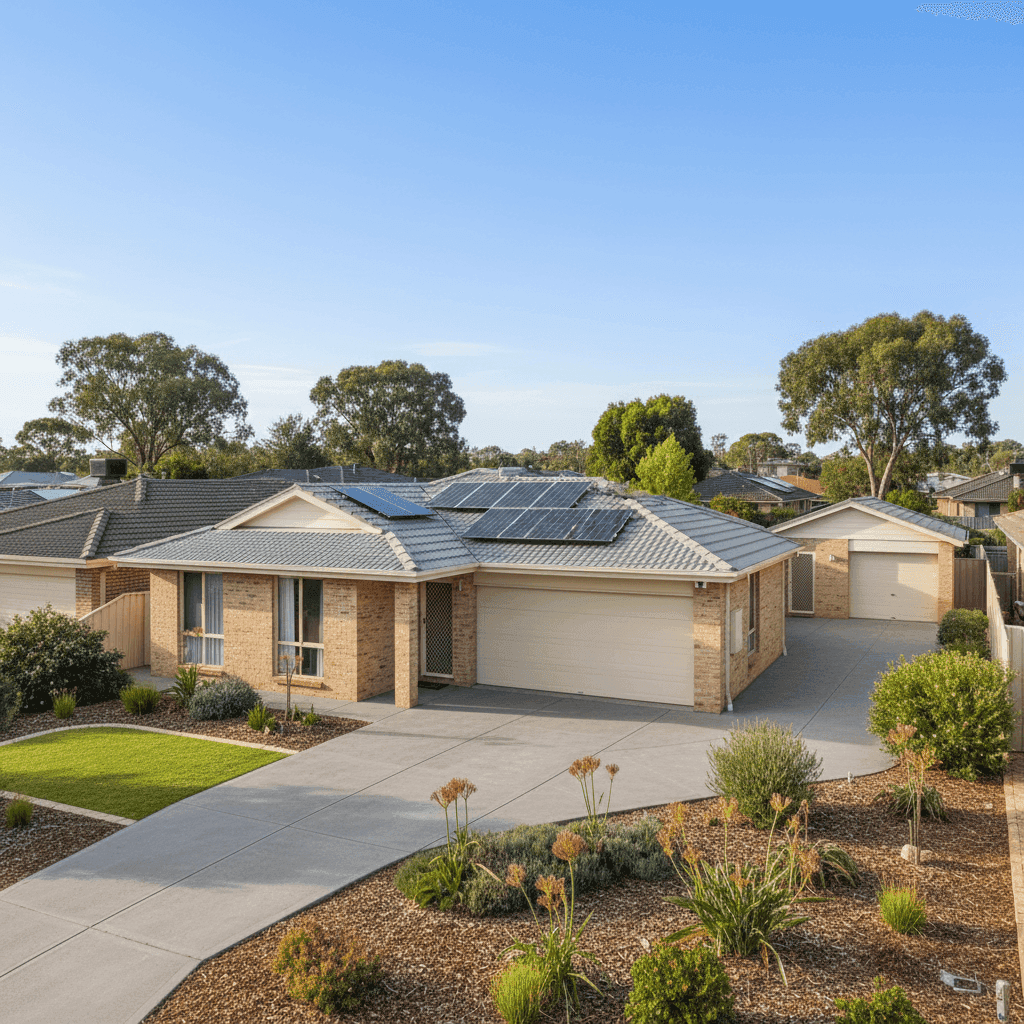
If you own a free standing home in Padbury, WA 6025, you might be wondering whether your home insurance premium is genuinely competitive — or whether you're quietly overpaying. This article breaks down a real home and contents insurance quote for a three-bedroom property in this northern Perth suburb, comparing it against local, state-wide, and national benchmarks to help you make a more informed decision.
---
Is This Quote Fair?
The quote in question comes in at $775 per year (or around $75 per month) for combined home and contents cover, with a building sum insured of $700,000 and contents valued at $50,000. The building excess sits at $2,000, with a separate $1,000 excess for contents claims.
Based on CoverClub's pricing data, this quote is rated CHEAP — below the suburb average for Padbury. That's a meaningful distinction. In a market where premiums can vary dramatically depending on the insurer, the property's characteristics, and the level of cover selected, landing below the local average is a genuinely positive outcome.
For context, the suburb average annual premium in Padbury is $1,390, and the median sits at $1,145. This quote comes in well beneath both figures — even below the 25th percentile of $816, meaning it's among the most competitively priced quotes recorded for this area. Homeowners who haven't reviewed their policy recently may be paying significantly more for comparable cover.
---
How Padbury Compares
To understand just how favourable this result is, it helps to zoom out and look at the broader picture.
| Benchmark | Annual Premium |
|---|---|
| This quote | $775 |
| Padbury suburb average | $1,390 |
| Padbury suburb median | $1,145 |
| Padbury 25th percentile | $816 |
| Padbury 75th percentile | $1,962 |
| LGA (Joondalup) average | $2,112 |
| WA state average | $2,811 |
| WA state median | $2,127 |
| National average | $5,347 |
| National median | $2,764 |
The gap between this quote and the Western Australian state average is striking — this property is being insured for less than 28% of what WA homeowners pay on average. Compared to the national average of $5,347, the figure looks even more remarkable.
Of course, averages can be skewed by high-risk properties, coastal homes, and cyclone-prone regions. But even against the WA state median of $2,127, this quote represents a substantial saving. You can explore how Padbury sits within the broader WA landscape on the Padbury suburb stats page.
---
Property Features That Affect Your Premium
Several characteristics of this particular property work in favour of a lower premium. Understanding these factors can help you see why some homes attract cheaper cover than others.
Double Brick Construction
Double brick is widely regarded by Australian insurers as one of the most resilient wall construction types. It offers strong resistance to fire, wind, and impact damage, which translates directly into lower risk assessments. Homes built with double brick typically attract more competitive premiums than those with timber or lightweight cladding.
Tiled Roof
Terracotta or concrete tile roofs are considered durable and low-maintenance by insurers. Unlike older corrugated iron or asbestos-cement sheeting, tiles perform well under most weather conditions and have a long lifespan — both factors that reduce the likelihood of weather-related claims.
Slab Foundation
A concrete slab foundation is a stable base that minimises the risk of subsidence, shifting, and moisture-related damage. In Perth's sandy soil conditions, slab-on-ground construction is common and generally well-regarded by underwriters.
1974 Build Year
Properties from the early-to-mid 1970s in Perth are typically solid double brick homes that have stood the test of time. While older homes can sometimes attract loading for outdated electrical or plumbing systems, a well-maintained 1974 double brick home generally presents a manageable risk profile.
Solar Panels
The presence of solar panels adds a modest layer of complexity to a policy — panels represent an additional asset that may need to be covered under building insurance. It's worth confirming with your insurer that your solar system is explicitly included in your building sum insured, as some policies treat it differently.
Granny Flat
A granny flat on the property is an important consideration. Many standard home insurance policies cover a secondary dwelling on the same title, but the level of cover can vary. Homeowners should clarify whether the granny flat's structure and any contents within it are covered under the existing policy — or whether a separate listing or endorsement is required.
No Pool, No Cyclone Zone
The absence of a swimming pool removes a common source of liability and maintenance claims. Padbury also falls outside designated cyclone risk areas, which is a meaningful factor given how significantly cyclone exposure inflates premiums in northern WA and Queensland.
---
Tips for Homeowners in Padbury
Whether you're reviewing an existing policy or shopping for new cover, here are four practical steps worth taking.
1. Verify your building sum insured reflects current rebuild costs. $700,000 may be appropriate for a 130 sqm home in Padbury today, but building costs have risen sharply in recent years. Use a building cost calculator or speak with a quantity surveyor to ensure you're not underinsured — especially given the granny flat adds to the total rebuild liability.
2. Confirm solar panels and the granny flat are explicitly covered. Don't assume these are automatically included. Ask your insurer directly whether solar panels are covered under the building section and whether the granny flat structure and its contents (if tenanted) are part of your policy.
3. Review your contents sum insured periodically. $50,000 in contents cover is relatively modest. If you've made significant purchases — appliances, electronics, furniture — since you last updated your policy, it may be worth reassessing whether this figure still reflects the true replacement value of your belongings.
4. Consider the impact of your excess on your premium. This policy carries a $2,000 building excess and $1,000 contents excess. Higher excesses generally reduce premiums, but it's important to ensure you could comfortably cover those amounts out of pocket in the event of a claim. If cash flow is a concern, a lower excess (even at a slightly higher premium) may offer better peace of mind.
---
Ready to Compare?
Even if your current quote looks competitive, it's always worth checking what else is available. Insurers price risk differently, and a small amount of time spent comparing can result in meaningful savings — or better cover for the same price.
Get a home insurance quote at CoverClub and see how your premium stacks up against the market in seconds.