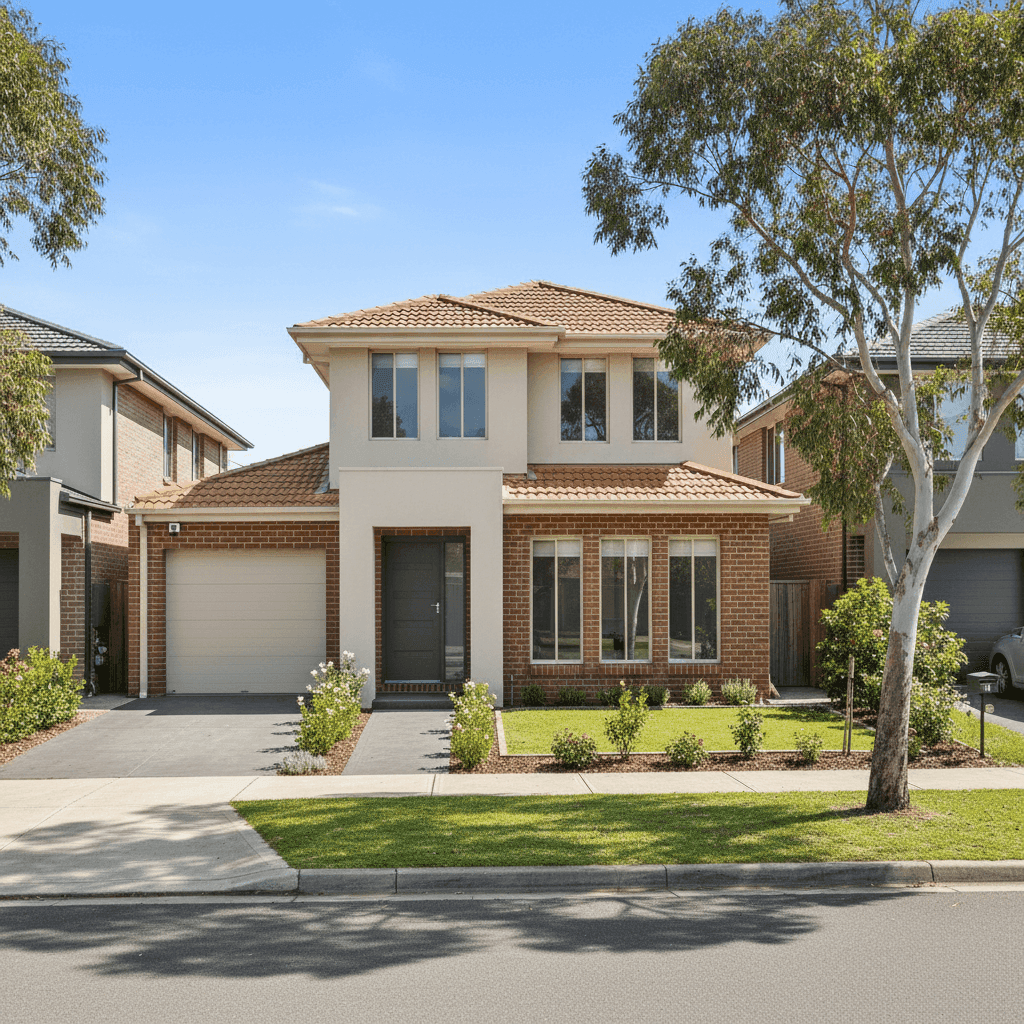
Pakenham is one of Melbourne's fastest-growing outer south-east suburbs, and with that growth comes a surge in homeowners asking the same question: am I paying too much for home insurance? This article breaks down a real home and contents insurance quote for a three-bedroom, free-standing home in Pakenham (postcode 3810), comparing it against local, state, and national benchmarks so you can make a more informed decision about your own cover.
---
Is This Quote Fair?
The quote in question comes in at $1,102 per year (or roughly $105 per month) for combined home and contents cover, with a building sum insured of $405,000 and contents valued at $50,000. The building excess sits at $2,000 and the contents excess at $1,000.
Our price rating for this quote is CHEAP — Below Average, which is genuinely good news for the homeowner. To put that in perspective, the suburb average premium in Pakenham is $2,330 per year, meaning this quote is saving the homeowner more than $1,200 annually compared to what many of their neighbours are paying.
Even stacked against the suburb's 25th percentile — the point at which only one in four quotes are cheaper — this premium of $1,102 still sits just below that $1,124 threshold. In other words, this is among the most competitive quotes available in the area, not just a modest saving.
It's worth noting that a lower premium doesn't automatically mean inferior cover. The key is understanding why the quote is priced this way, which is where the property's characteristics play a significant role.
---
How Pakenham Compares
To understand just how competitive this quote is, it helps to zoom out and look at the broader pricing landscape. Based on data from 143 quotes collected for Pakenham (3810), here's how premiums stack up:
| Benchmark | Annual Premium |
|---|---|
| This Quote | $1,102 |
| Pakenham 25th Percentile | $1,124 |
| Pakenham Median | $1,601 |
| Pakenham Average | $2,330 |
| Pakenham 75th Percentile | $2,817 |
| VIC State Average | $2,921 |
| VIC State Median | $2,694 |
| National Average | $2,965 |
| National Median | $2,716 |
| Cardinia LGA Average | $3,491 |
What stands out immediately is how far above this quote the Cardinia LGA average sits — at $3,491 per year, some homeowners in the broader region are paying more than three times as much. The Victorian state average of $2,921 and the national average of $2,965 both tell a similar story: this quote is well below what most Australian homeowners are paying for equivalent cover.
The spread within Pakenham itself is also notable. With a 25th percentile of $1,124 and a 75th percentile of $2,817, there's a massive $1,693 gap between the cheaper and more expensive ends of the market — a strong reminder that shopping around genuinely pays off.
---
Property Features That Affect Your Premium
Insurance premiums aren't pulled from thin air. Underwriters assess a range of property-specific factors when calculating risk, and this home has several characteristics that likely contribute to its favourable pricing.
Brick veneer construction is generally viewed positively by insurers. While not as robust as full brick, brick veneer offers good fire resistance and structural integrity compared to timber or weatherboard cladding, which can translate to lower premiums.
A tiled roof is another tick in the right column. Tiles are durable, fire-resistant, and less susceptible to storm damage than some other roofing materials, making them a preferred choice from an underwriting perspective.
Slab foundation is standard for homes built in this era and region, and it's generally considered low-risk. There's no elevated subfloor space that could be affected by flooding or pest damage, which keeps risk profiles manageable.
Built in 2012, this home is relatively modern — old enough to have settled, but young enough to comply with contemporary building codes. Newer builds tend to attract lower premiums than ageing homes that may have outdated wiring, plumbing, or structural concerns.
Ducted climate control is worth mentioning as a contents or fixtures consideration. While it adds value to the property, it's a standard inclusion in many modern homes and is unlikely to significantly inflate the premium on its own.
The absence of a pool and solar panels also simplifies the risk profile. Both can add complexity (and cost) to a policy, so their absence keeps things straightforward.
---
Tips for Homeowners in Pakenham
Whether you're reviewing your existing policy or shopping for a new one, here are four practical steps Pakenham homeowners can take to get the best value from their home insurance.
1. Don't auto-renew without comparing The wide premium spread in Pakenham — from $1,124 at the 25th percentile to $2,817 at the 75th — shows that loyalty doesn't always pay. If you've been with the same insurer for a few years, there's a real chance you're paying well above the market rate. Take 10 minutes to compare quotes at CoverClub before your renewal date.
2. Get your sum insured right Underinsurance is a serious and common problem in Australia. A building sum insured of $405,000 for a 139 sqm home in Pakenham is in a reasonable range, but rebuild costs can shift with material and labour prices. Use a building cost calculator annually to make sure your coverage keeps pace.
3. Review your excess settings This quote carries a $2,000 building excess and a $1,000 contents excess. Opting for a higher excess is one of the most effective ways to reduce your annual premium — but only if you're confident you could cover that amount out of pocket in the event of a claim. Find the balance that suits your financial situation.
4. Bundle your cover thoughtfully Combined home and contents policies like this one can offer savings over separate policies, but it's worth checking that your contents sum of $50,000 genuinely reflects what you own. Both over-insuring and under-insuring contents can cost you — either in unnecessary premiums or inadequate payouts.
---
Ready to Compare Your Own Quote?
If you own a home in Pakenham or anywhere else in Australia, CoverClub makes it easy to see how your current premium stacks up. Our free comparison tool analyses quotes against real local data so you know whether you're getting a fair deal — or paying too much.