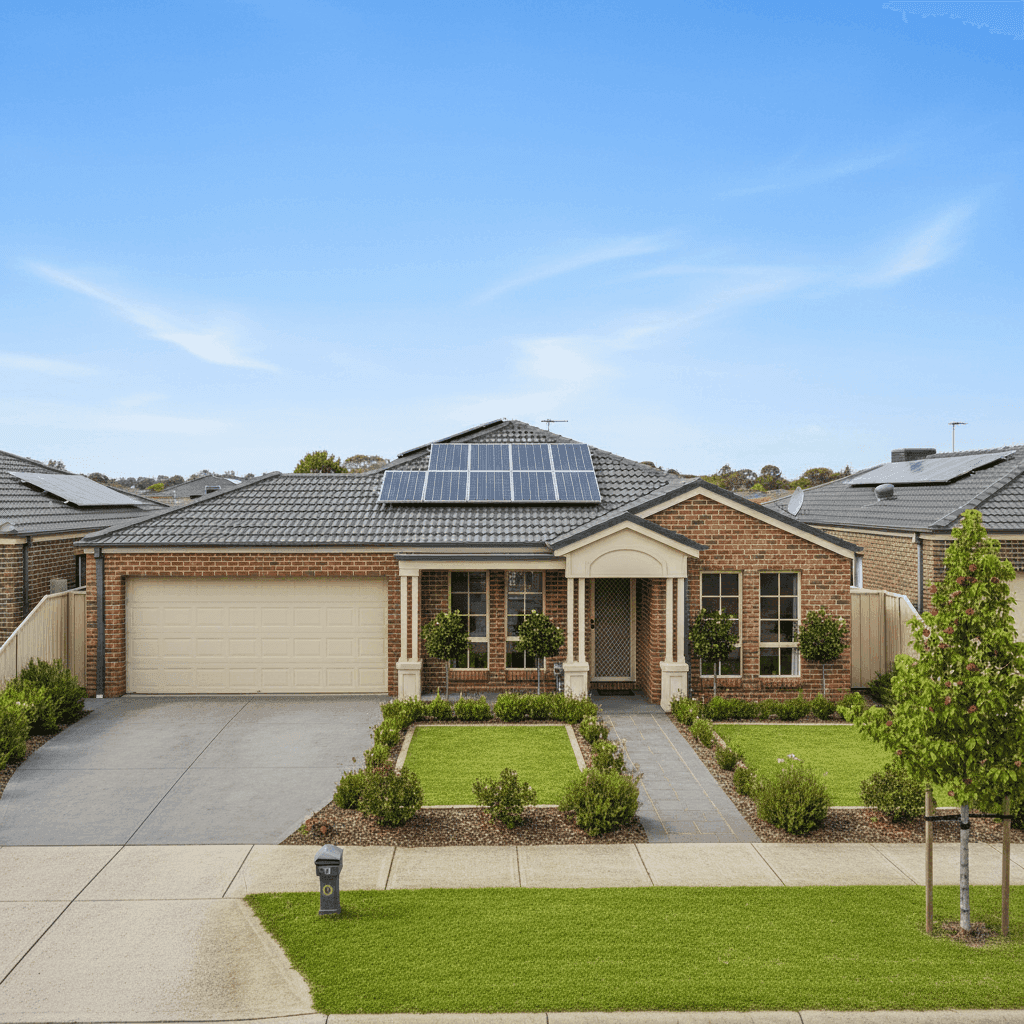
Pakenham, located on Melbourne's south-eastern fringe in the Cardinia local government area, has grown rapidly over the past two decades into one of Victoria's most popular family suburbs. With that growth has come a surge in demand for quality home insurance — and with it, a wide range of premiums depending on the property, insurer, and level of cover. This article breaks down a real home and contents insurance quote for a four-bedroom, free-standing home in Pakenham (VIC 3810), helping you understand whether the price stacks up and what factors are driving the cost.
---
Is This Quote Fair?
The quote in question comes to $1,780 per year (or $174/month) for combined home and contents cover, with a building sum insured of $763,000 and contents valued at $50,000. The building excess is $3,000, and the contents excess is $1,000.
Our price rating for this quote is FAIR — Around Average.
That assessment holds up well when you dig into the numbers. The suburb average premium for Pakenham sits at $2,330 per year, meaning this quote comes in roughly 24% below the local average. It also sits above the suburb's median of $1,601/yr, placing it solidly in the middle of the market rather than at the budget end.
At the state level, the picture is even more favourable. The Victorian average home insurance premium is $2,921/yr, and this quote is 39% cheaper than that benchmark. Nationally, the average is $2,965/yr — so compared to what Australians are typically paying across the country, this Pakenham homeowner is getting a reasonable deal.
It's worth noting that the Cardinia LGA average is notably high at $3,491/yr, which suggests that some properties in the broader region attract significantly elevated premiums — likely driven by flood-prone or bushfire-risk areas within the same council boundaries. Against that LGA average, this quote looks particularly competitive.
---
How Pakenham Compares
To put this quote in proper context, here's how Pakenham premiums sit relative to broader benchmarks:
| Benchmark | Annual Premium |
|---|---|
| This Quote | $1,780 |
| Pakenham Suburb Median | $1,601 |
| Pakenham Suburb Average | $2,330 |
| Pakenham 25th Percentile | $1,124 |
| Pakenham 75th Percentile | $2,817 |
| VIC State Average | $2,921 |
| National Average | $2,965 |
| Cardinia LGA Average | $3,491 |
Based on 143 quotes collected for the Pakenham area.
The spread between Pakenham's 25th percentile ($1,124) and 75th percentile ($2,817) is substantial — a difference of over $1,700 per year. This tells us that premiums in the area vary enormously depending on the specific property, the insurer chosen, and the level of cover selected. Sitting between the median and the 75th percentile, this quote is reasonable but not the lowest available in the suburb.
For a deeper look at how Pakenham premiums are trending, visit the Pakenham suburb stats page, or explore national home insurance data for broader context.
---
Property Features That Affect Your Premium
Several characteristics of this property influence its insurance cost — some in ways that lower the premium, others that push it higher.
Brick Veneer Walls & Tiled Roof Brick veneer construction with a tiled roof is one of the most common and insurer-friendly combinations in Australian suburbia. Both materials are considered durable and relatively resistant to fire and weather damage, which typically results in more competitive premiums compared to, say, weatherboard cladding or a corrugated iron roof.
Slab Foundation A concrete slab foundation is standard for homes of this era and is generally viewed favourably by insurers. It reduces the risk of subsidence and is less susceptible to pest damage than older pier-and-beam foundations.
Construction Year: 2005 At around 20 years old, this home is modern enough to meet current building codes but old enough that some wear and tear is expected. Insurers generally price homes built post-2000 more favourably than older stock, as they're likely to comply with updated electrical, plumbing, and structural standards.
Solar Panels The presence of solar panels is worth noting. While they add value to the property and are typically covered under building insurance, they do represent an additional insurable asset. Some insurers specifically include solar panel cover within the building sum insured, while others may require you to confirm coverage explicitly. It's worth checking your policy wording to ensure your system is adequately covered.
Ducted Climate Control Ducted heating and cooling systems are a significant fixed asset — they're expensive to repair or replace and are generally included in the building sum insured. Their presence is one reason why a $763,000 building sum insured is appropriate for a 214 sqm home of this specification.
Timber/Laminate Flooring Flooring type can influence contents and building claims. Timber and laminate floors are susceptible to water damage, which is relevant in the context of storm or burst pipe events. Ensuring your policy covers water damage (and understanding any exclusions) is important for homes with this type of flooring.
No Pool, No Cyclone Risk The absence of a swimming pool removes a common source of liability and maintenance-related claims. And while parts of Victoria can experience severe weather, Pakenham is not classified as a cyclone risk area, which keeps premiums lower than equivalent properties in northern Queensland or WA.
---
Tips for Homeowners in Pakenham
1. Review your building sum insured regularly Construction costs have risen significantly in recent years. A 214 sqm brick veneer home in Melbourne's south-east can cost well over $3,000 per sqm to rebuild from scratch — meaning your sum insured should reflect current rebuilding costs, not just the market value of the property. Underinsurance is one of the most common problems homeowners face at claim time.
2. Check your solar panel coverage If you have a rooftop solar system, confirm with your insurer whether it's included under your building cover and up to what value. Some policies cap solar coverage or require it to be listed separately. Given the cost of modern solar installations, this is not a detail to overlook.
3. Understand what's driving the Cardinia LGA premium The Cardinia LGA average of $3,491/yr is considerably higher than this quote. That gap is likely driven by flood-prone and bushfire-affected properties elsewhere in the LGA. If your property is in a lower-risk pocket of Pakenham, make sure you're shopping around — you may be able to do better than the LGA average suggests.
4. Compare quotes before renewing Loyalty doesn't always pay in insurance. Insurers frequently offer their best rates to new customers, and the 143 quotes collected for Pakenham show a wide range of prices for similar properties. Getting at least two or three quotes at renewal time is one of the simplest ways to avoid overpaying.
---
Compare Your Own Quote
Whether you're buying a new policy or coming up for renewal, it pays to know where your premium sits relative to the market. CoverClub makes it easy to compare home and contents insurance quotes for properties across Australia — including right here in Pakenham. Get a quote today and see how your premium stacks up.