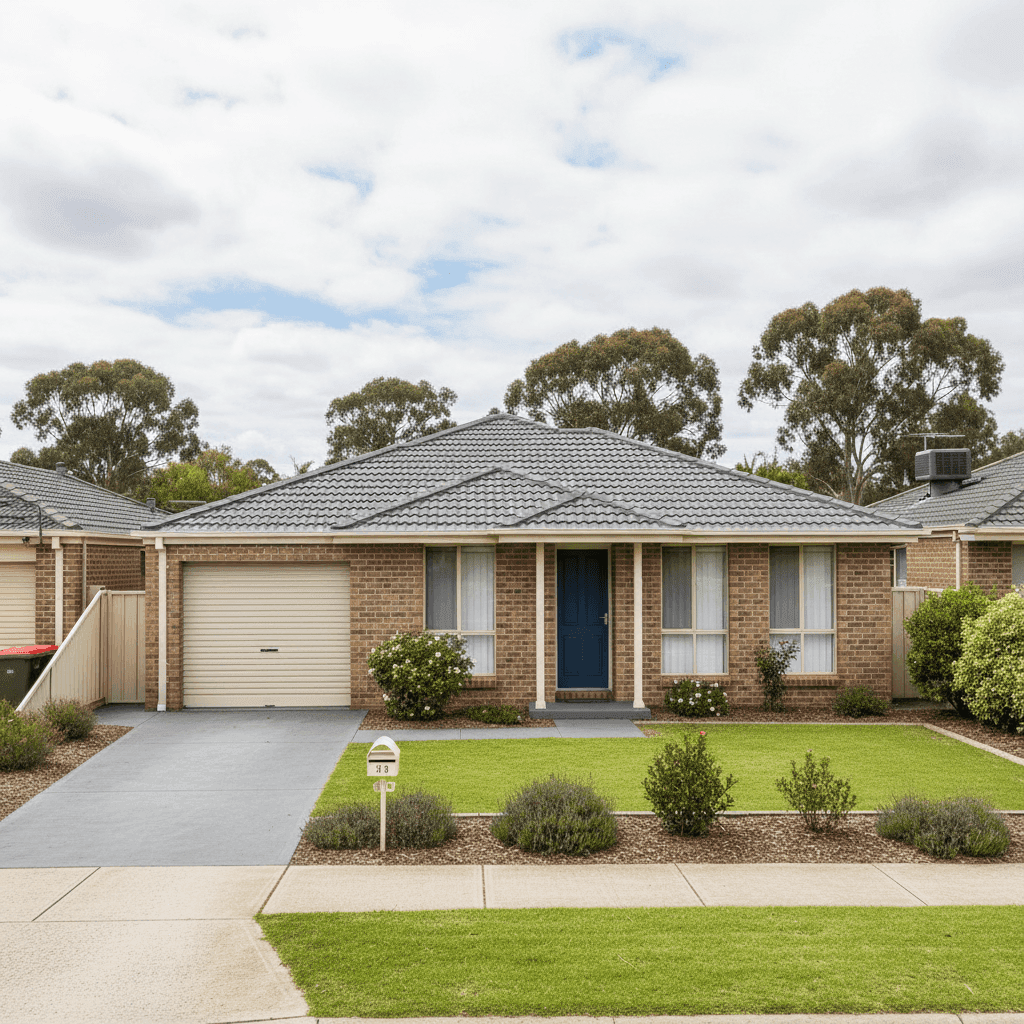
Pakenham, located in Melbourne's outer south-east corridor, has grown rapidly over the past two decades into one of Victoria's most active residential areas. For owners of free standing homes in the suburb, understanding what a fair home insurance premium looks like — and what's driving the cost — can make a real difference at renewal time. This article breaks down a real quote for a 3-bedroom, brick veneer home in Pakenham (postcode 3810) and puts the numbers in context.
---
Is This Quote Fair?
The quote in question sits at $1,908 per year (or $183/month) for combined home and contents cover, with a building sum insured of $404,000 and contents valued at $50,000. Both the building and contents excess are set at $1,000.
Based on our pricing data, this quote is rated Expensive — above average for the Pakenham area.
To understand why, it helps to look at where this premium sits relative to what other Pakenham homeowners are paying. The suburb average premium is $1,490/yr and the median sits at $1,418/yr, meaning this quote comes in roughly $418–$490 above the typical range. It also exceeds the suburb's 75th percentile of $1,786/yr, placing it in the top quarter of premiums recorded for the area.
That said, "expensive" is relative. Compared to the broader Victorian average of $3,000/yr and the national average of $5,347/yr, this quote is actually well below what many Australians pay. The LGA average for Cardinia Shire sits at $3,089/yr — again, notably higher than this quote. So while the premium appears on the pricier side locally, it remains competitive in a wider context.
The key question for any homeowner is: are you getting the right level of cover at the right price? A premium that looks high might still be appropriate if the sum insured accurately reflects rebuilding costs — and undercovering a $404,000 building to save a few hundred dollars a year is rarely a smart trade-off.
---
How Pakenham Compares
Here's a snapshot of how insurance costs stack up across different benchmarks:
| Benchmark | Average Premium | Median Premium |
|---|---|---|
| Pakenham (3810) | $1,490/yr | $1,418/yr |
| Victoria | $3,000/yr | $2,718/yr |
| Australia (National) | $5,347/yr | $2,764/yr |
| Cardinia LGA | $3,089/yr | — |
Pakenham sits well below both the Victorian and national averages, which is encouraging for local homeowners. The suburb's relatively low flood and storm risk profile — compared to coastal or flood-prone areas of Australia — likely contributes to these more modest premiums.
You can explore the full breakdown of insurance costs for Pakenham at our Pakenham suburb stats page, compare it against the Victorian state average, or see how it measures up on the national insurance cost overview.
---
Property Features That Affect Your Premium
Every property has a unique combination of characteristics that insurers weigh when calculating a premium. Here's how the features of this particular home are likely influencing the cost:
Brick Veneer Walls Brick veneer is one of the most common external wall materials in suburban Victoria, and insurers generally view it favourably. It offers solid fire resistance and durability, which can help keep premiums in check compared to weatherboard or lightweight cladding alternatives.
Tiled Roof Concrete or terracotta tiles are considered a standard, lower-risk roofing material. They're durable, fire-resistant, and widely used across Melbourne's outer suburbs. This is unlikely to be a negative factor in the premium calculation.
Slab Foundation A concrete slab foundation is typical for homes built in the 1990s across Victoria's growth corridors. Slabs are generally considered stable and low-maintenance, with fewer subsidence concerns than pier-and-beam foundations in some other regions.
Construction Year: 1995 At around 30 years old, this home is mature but not aged. Homes of this era were built to reasonable standards, though insurers may factor in the likelihood of ageing plumbing, wiring, or roofing materials when pricing the risk.
Ducted Climate Control The presence of ducted heating and/or cooling adds to the overall replacement value of the home's fixtures and fittings. This is appropriately captured in the building sum insured and may contribute marginally to the premium.
No Pool, No Solar Panels The absence of a pool and solar panels simplifies the risk profile. Both features can add complexity and cost to a policy, so their absence may contribute to a cleaner, more straightforward premium.
Standard Fittings Quality With standard-grade fittings throughout, the home doesn't attract the premium loading that high-end or custom finishes might. This is consistent with the $404,000 building sum insured for a 130 sqm home.
---
Tips for Homeowners in Pakenham
If you're reviewing your home insurance — whether you received a quote like this one or are shopping around — here are some practical steps to consider:
1. Check Your Building Sum Insured Annually Construction costs have risen significantly in recent years. A sum insured that was accurate two or three years ago may no longer reflect what it would actually cost to rebuild your home today. Use a building cost calculator or speak with a local builder to sense-check your figure before renewing.
2. Increase Your Excess to Reduce Your Premium Both the building and contents excess on this quote are set at $1,000. If you have a solid emergency fund, consider whether increasing your excess to $1,500 or $2,000 could meaningfully reduce your annual premium. Just ensure the excess remains affordable in the event of a claim.
3. Review Your Contents Coverage $50,000 in contents cover is a reasonable starting point for a 3-bedroom home, but it's worth doing a room-by-room audit to confirm the figure is accurate. Many Australians are underinsured on contents — particularly when accounting for electronics, appliances, clothing, and furniture replacement at today's prices.
4. Compare Quotes Before Renewing Loyalty doesn't always pay in insurance. Insurers often reserve their best rates for new customers, meaning your renewal premium may not reflect the most competitive price available. Comparing quotes across multiple providers takes only a few minutes and could save you hundreds of dollars.
---
Ready to Find a Better Rate?
Whether this quote represents your current policy or one you're considering, it's always worth seeing what else is available. At CoverClub, we make it easy to compare home and contents insurance quotes for properties across Pakenham and the rest of Australia — so you can make an informed decision with confidence.