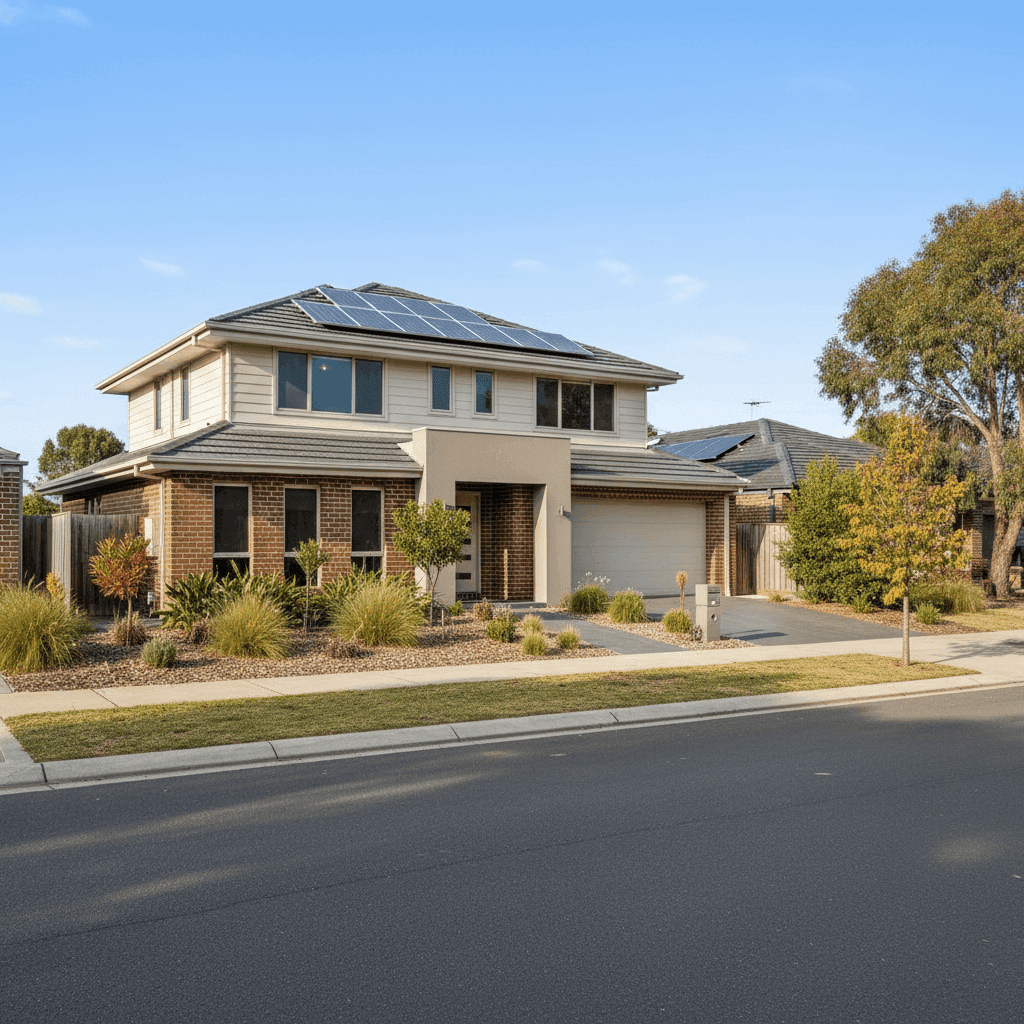
Pakenham is one of Melbourne's fastest-growing outer south-east suburbs, and with that growth comes a wave of homeowners navigating the often confusing world of home insurance. This article breaks down a real home and contents insurance quote for a four-bedroom, two-bathroom free standing home in Pakenham (VIC 3810) — and helps you understand whether the price stacks up.
---
Is This Quote Fair?
The quote in question comes in at $1,989 per year (or $191 per month) for combined home and contents cover, with a building sum insured of $655,000 and contents valued at $190,000. Both the building and contents excess are set at $2,000.
Our price rating for this quote is Expensive — above average for the Pakenham area.
To put that in perspective: the suburb average premium sits at $1,490 per year, and the median is even lower at $1,418 per year. That means this quote is roughly $499 above the suburb average — a meaningful gap that's worth investigating before simply accepting the price.
That said, "expensive" is relative. The quote does sit above the suburb's 75th percentile of $1,786 per year, meaning it's pricier than at least three-quarters of comparable quotes in the area. However, it's important to consider what's being covered: a 214 sqm brick veneer home with solar panels, ducted climate control, and a solid contents value of $190,000. These features can legitimately push a premium higher than a more basic policy.
The key takeaway? This quote isn't wildly out of range, but there's likely room to save — particularly if you shop around or adjust your excess and coverage settings.
---
How Pakenham Compares
Understanding your premium in isolation only tells part of the story. Context matters enormously in home insurance pricing. Here's how Pakenham stacks up against broader benchmarks:
| Benchmark | Average Premium | Median Premium |
|---|---|---|
| Pakenham (3810) | $1,490/yr | $1,418/yr |
| Cardinia LGA | $3,089/yr | — |
| Victoria (VIC) | $3,000/yr | $2,718/yr |
| National | $5,347/yr | $2,764/yr |
Based on [150 quotes in the Pakenham suburb](https://coverclub.com.au/stats/VIC/3810/pakenham), [VIC state data](https://coverclub.com.au/stats/VIC), and [national benchmarks](https://coverclub.com.au/stats/national).
The numbers tell an encouraging story for Pakenham residents: premiums in this suburb are significantly below both the Victorian state average and the national average. Even this "expensive" quote at $1,989 is well under the Victorian median of $2,718 and the national median of $2,764.
This relative affordability is likely driven by Pakenham's location — it sits outside Melbourne's flood-prone inner suburbs, isn't in a cyclone risk zone, and benefits from newer housing stock compared to older inner-city or regional areas. Compared to the broader Cardinia LGA average of $3,089, Pakenham itself appears to be one of the more competitively priced pockets in the region.
---
Property Features That Affect Your Premium
Several characteristics of this particular property have a direct bearing on the premium quoted. Here's what's at play:
Brick Veneer Construction Brick veneer is one of the most common wall types in Australian suburban homes, and insurers generally view it favourably. It offers solid fire resistance and durability, which can help keep premiums competitive compared to timber-framed or clad homes.
Tiled Roof Terracotta or concrete tiles are considered a low-risk roofing material. They're durable, fire-resistant, and widely used across Victorian suburbs — another factor that works in the homeowner's favour.
Slab Foundation A concrete slab foundation is standard for homes built in this era and is generally well-regarded by insurers. It reduces the risk of subsidence and pest-related structural damage compared to older pier-and-beam foundations.
Construction Year: 2007 At roughly 18 years old, this home is relatively modern. Homes built after 2000 typically comply with updated building codes, which can translate to better structural resilience and lower premiums than older properties.
Solar Panels Solar panels add value to a property but also add replacement cost to the building sum insured. If panels are damaged by storm, hail, or fire, the insurer is liable — and this is likely contributing to a slightly elevated premium. Always confirm your policy explicitly covers rooftop solar.
Ducted Climate Control Ducted heating and cooling systems are a significant fixed asset, and their inclusion in the building sum insured can push the insured value — and therefore the premium — upward. Ensuring your sum insured accurately reflects replacement costs (including these systems) is essential to avoid underinsurance.
Timber/Laminate Flooring Flooring type can influence contents and building claims. Timber and laminate floors are susceptible to water damage, which is worth keeping in mind when reviewing your policy's water damage provisions.
No Pool The absence of a pool removes one common source of liability and additional premium loading — a small but noteworthy saving.
---
Tips for Homeowners in Pakenham
If you're a Pakenham homeowner looking to get better value from your home insurance, here are four practical steps worth considering:
- Review your sum insured annually. With construction costs rising across Victoria, it's easy to find yourself underinsured — or conversely, over-insured if you've set your building value too high. Use a building cost calculator to ensure your $655,000 sum insured still reflects realistic rebuild costs for a 214 sqm brick veneer home in your area.
- Compare quotes — not just prices. A cheaper premium isn't always better if it comes with lower coverage limits, exclusions on storm damage, or poor claims handling. Use a comparison tool like CoverClub to evaluate policies side by side on both price and features.
- Consider adjusting your excess. This quote carries a $2,000 excess on both building and contents. Opting for a higher excess can reduce your annual premium meaningfully — just make sure you could comfortably cover that amount out of pocket if you needed to make a claim.
- Confirm solar panel coverage explicitly. As a solar panel owner, verify that your policy covers panels for storm damage, hail, and fire — and check whether coverage applies to the panels themselves, the inverter, and any associated wiring. Not all standard policies treat solar the same way.
---
Ready to Find a Better Deal?
Whether this quote is right for you depends on your circumstances, risk appetite, and what other insurers are offering. The good news is that Pakenham is a competitively priced suburb for home insurance — meaning there's a reasonable chance you can find comparable or better cover for less.
Visit CoverClub to compare home and contents insurance quotes for your Pakenham property, or explore the Pakenham suburb insurance stats to see how your current premium measures up in more detail.