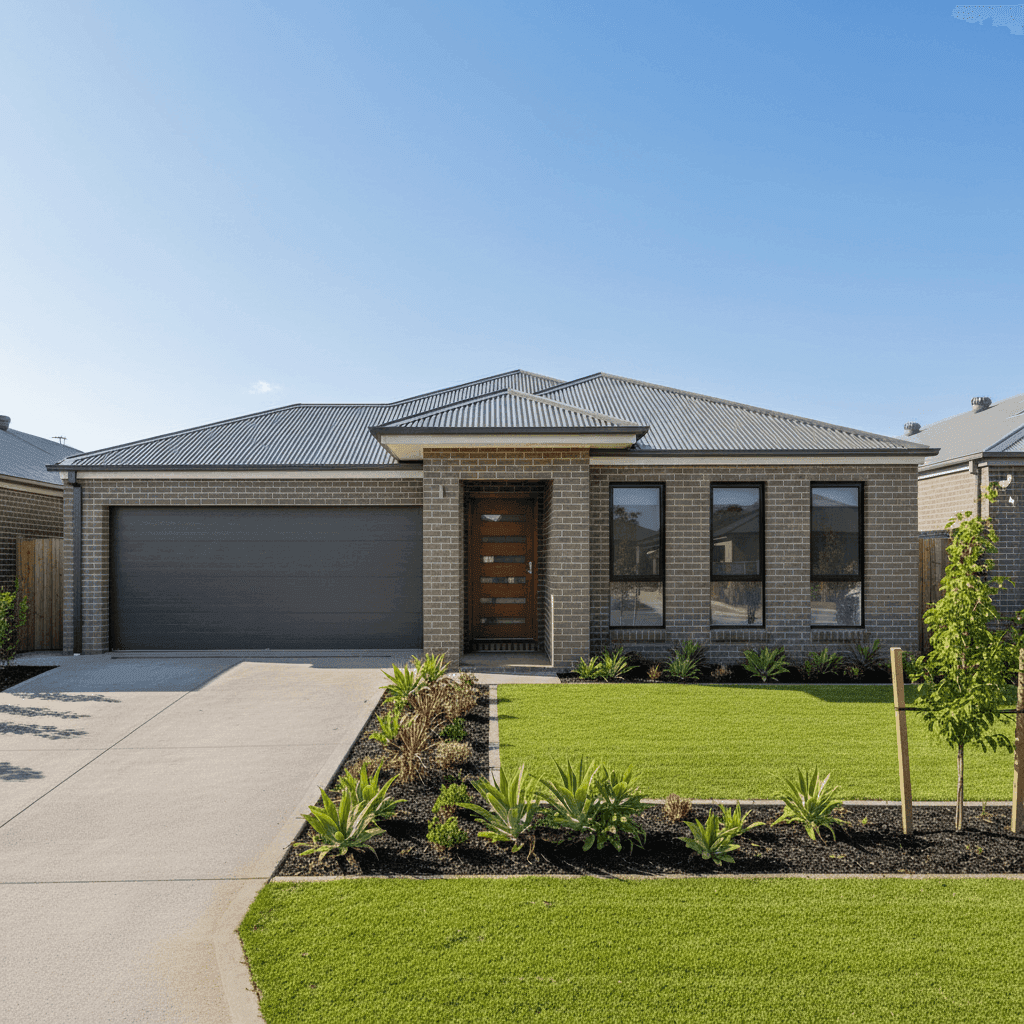
Pallara is a relatively new residential suburb in Brisbane's southern corridor, and it's becoming an increasingly popular choice for families drawn to its modern housing stock and proximity to key infrastructure. For owners of a free standing home in this area, understanding what you should be paying for building insurance — and why — can make a meaningful difference to your household budget.
This article breaks down a real building-only insurance quote for a 3-bedroom, 2-bathroom free standing home in Pallara (QLD 4110), comparing it against local, state, and national benchmarks to help you judge whether your own premium is fair.
---
Is This Quote Fair?
The quote in question comes in at $1,524 per year (or about $152 per month) for building-only cover with a sum insured of $1,001,000 and a $3,000 building excess.
Our price rating for this quote is CHEAP — below average — and the data backs that up clearly. The suburb average premium in Pallara sits at $3,552 per year, meaning this quote is less than half what most homeowners in the area are paying. Even against the suburb's 25th percentile (the cheapest quarter of quotes), which sits at $2,028 per year, this premium still comes in well below the mark.
Put simply, this is an exceptionally competitive result. For a relatively new home built in 2021 with a solid construction profile, this kind of premium reflects both the property's low-risk characteristics and a well-matched insurer.
---
How Pallara Compares
To put this quote in proper context, here's how Pallara's insurance costs sit relative to broader benchmarks:
| Benchmark | Average Premium | Median Premium |
|---|---|---|
| Pallara (QLD 4110) | $3,552/yr | $2,880/yr |
| Brisbane LGA | $4,485/yr | — |
| Queensland | $4,547/yr | $3,931/yr |
| National | $2,965/yr | $2,716/yr |
A few things stand out here. First, Pallara's average premium is noticeably lower than both the Brisbane LGA average and the Queensland state average — which is a positive sign for homeowners in the area. Queensland as a whole carries some of the highest home insurance premiums in the country, largely driven by extreme weather risks in northern and coastal parts of the state. Pallara, sitting in Brisbane's south, benefits from being outside cyclone-declared risk zones and away from the most flood-prone areas.
That said, Pallara's average still sits above the national average of $2,965 per year, which reflects the broader Queensland risk loading that affects even lower-risk suburbs within the state.
You can explore full pricing data for this suburb at the Pallara insurance stats page, compare it to the rest of the state on the Queensland stats page, or see how it measures up on the national stats page.
---
Property Features That Affect Your Premium
Several characteristics of this particular property work in the homeowner's favour when it comes to insurance pricing.
Construction year (2021) Newer homes are generally cheaper to insure. A property built in 2021 was constructed under modern building codes, which mandate improved structural resilience, better fire resistance, and more robust engineering standards. Insurers reward this with lower premiums compared to homes built in the 1970s or 1980s.
Brick veneer external walls Brick veneer is one of the most common and well-regarded wall constructions in Australian residential building. It offers solid fire resistance and durability, and insurers tend to view it favourably compared to weatherboard or lightweight cladding alternatives.
Steel/Colorbond roof Colorbond steel roofing is highly regarded in Australian conditions — it's resistant to fire, handles heat well, and is less susceptible to damage from wind and hail compared to some tile options. For insurers, this translates to a lower likelihood of costly roof-related claims.
Slab foundation and tile flooring Concrete slab foundations are standard for modern Queensland homes and are associated with structural stability. Tiled flooring is durable and doesn't carry the water damage or fire risks sometimes associated with timber or carpet.
No pool, no solar panels, no ducted climate control Each of these additions can increase a premium — pools introduce liability risks, solar panels add replacement cost complexity, and ducted systems increase the cost of mechanical claims. The absence of all three keeps this property's risk profile clean and straightforward.
Not in a cyclone risk area This is significant in Queensland. Properties in cyclone-declared zones — particularly in Far North Queensland — can attract substantial premium loadings. Pallara's location in metropolitan Brisbane means no cyclone risk factor is applied.
---
Tips for Homeowners in Pallara
1. Review your sum insured regularly Construction costs have risen sharply across Australia in recent years. A sum insured of $1,001,000 may have been accurate at the time of purchase, but it's worth reassessing annually to ensure it reflects current rebuild costs — not just the market value of your property.
2. Compare quotes before renewal The spread of premiums in Pallara is wide — from $2,028 at the 25th percentile to $5,065 at the 75th percentile. That's a difference of over $3,000 per year for essentially the same suburb and property type. Shopping around at renewal time can yield significant savings. Get a quote at CoverClub to see what's available for your address.
3. Understand your excess This quote carries a $3,000 building excess. A higher excess typically reduces your premium, but make sure you're comfortable with that out-of-pocket cost in the event of a claim. If $3,000 would be a financial stretch, it may be worth comparing quotes with a lower excess to find the right balance.
4. Consider contents cover This quote covers building only. If you haven't separately arranged contents insurance, it's worth factoring that in. Contents cover protects everything inside your home — furniture, appliances, clothing, and valuables — which can represent a significant sum for most households.
---
Compare Your Own Quote
Whether you're a first-time buyer in Pallara or a long-term owner coming up for renewal, it pays to know where your premium sits relative to the market. CoverClub makes it easy to compare building and contents insurance quotes for your specific address, so you can make an informed decision rather than simply rolling over your existing policy.