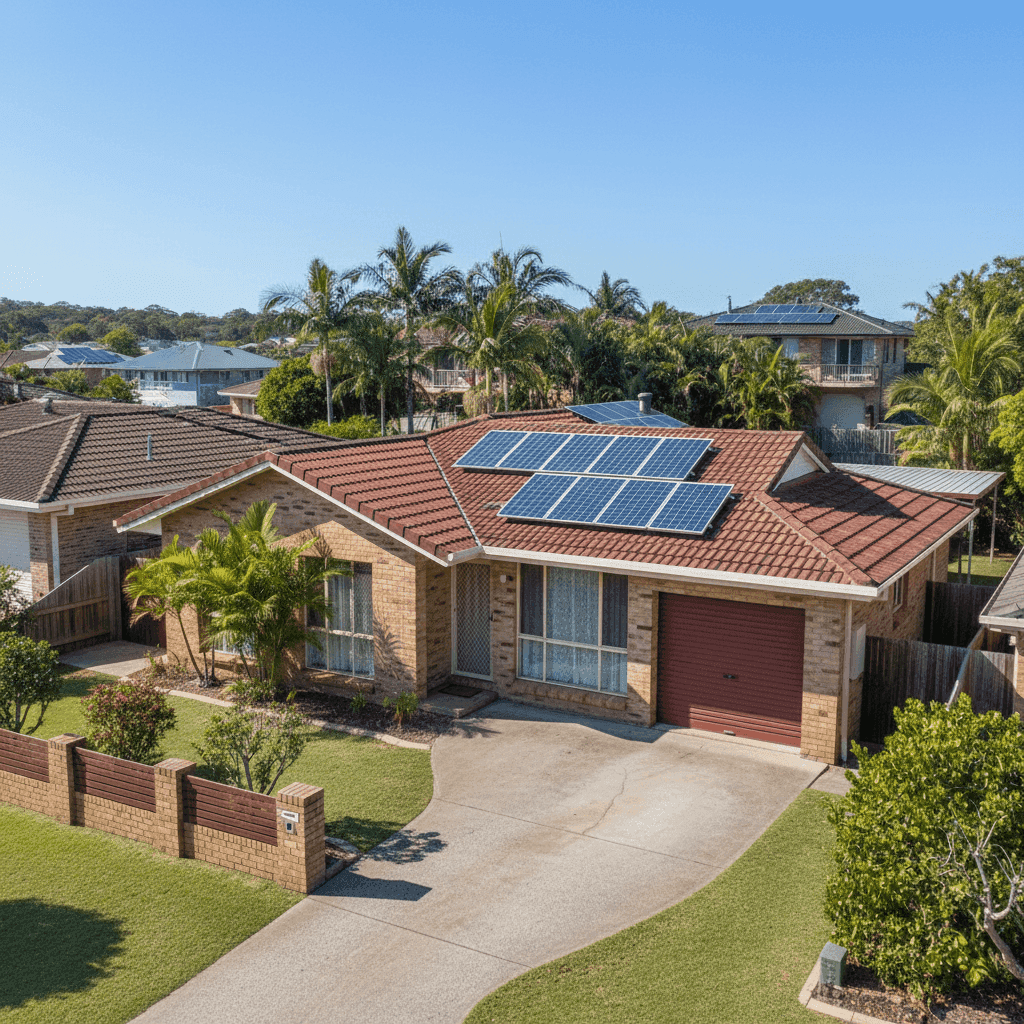
Palm Beach, nestled on the southern Gold Coast in Queensland, is one of those suburbs that perfectly balances laid-back coastal living with suburban convenience. It's also a suburb where home insurance premiums can vary dramatically — so if you've recently received a quote for your free standing home here, it's worth knowing exactly where you stand. This article breaks down a real home and contents insurance quote for a 3-bedroom, 2-bathroom brick veneer home in Palm Beach (QLD 4221), and puts the numbers into context using suburb, state, and national data.
---
Is This Quote Fair?
The quote in question comes in at $3,731 per year (or $365/month) for combined home and contents cover, with a building sum insured of $892,000 and contents valued at $52,000. Both the building and contents excess are set at $500.
Our price rating for this quote is FAIR — Around Average, and when you dig into the data, that assessment holds up well.
Compared to the Palm Beach suburb average of $6,364/yr, this quote is sitting a solid 41% below what many homeowners in the area are paying. Even against the suburb median of $4,195/yr, the quote comes in roughly 11% cheaper — a meaningful saving over the life of a policy.
That said, "fair" doesn't necessarily mean "the best available." The suburb's 25th percentile sits at $3,248/yr, which means roughly a quarter of Palm Beach homeowners are finding cover for less. There's a reasonable chance that shopping around could yield a lower premium, particularly given the relatively modest contents value of $52,000 and the property's manageable 139 sqm footprint.
---
How Palm Beach Compares
Understanding where Palm Beach sits in the broader insurance landscape is genuinely useful context for homeowners here.
| Benchmark | Annual Premium |
|---|---|
| This Quote | $3,731 |
| Palm Beach Suburb Average | $6,364 |
| Palm Beach Suburb Median | $4,195 |
| Gold Coast LGA Average | $5,494 |
| QLD State Average | $4,547 |
| QLD State Median | $3,931 |
| National Average | $2,965 |
| National Median | $2,716 |
A few things stand out here. First, Palm Beach — and the Gold Coast more broadly — is a notably expensive area for home insurance. The Gold Coast LGA average of $5,494/yr is well above the Queensland state average of $4,547/yr, which is itself significantly higher than the national average of $2,965/yr.
This isn't surprising. Coastal Queensland properties face elevated risks from storm surge, heavy rainfall events, and general weather volatility — all of which insurers price into their premiums. The fact that this quote sits below both the suburb and state averages suggests it's a reasonably competitive offer, though there's still room to explore.
It's also worth noting the wide spread of premiums in Palm Beach: the 25th percentile is $3,248/yr while the 75th percentile jumps to $8,202/yr — a difference of nearly $5,000 annually. This kind of variability reinforces why comparing multiple quotes is so important in this suburb specifically.
---
Property Features That Affect Your Premium
Several characteristics of this property influence how insurers assess risk and price cover. Here's how the key features stack up:
Brick Veneer Walls Brick veneer is generally viewed favourably by insurers. It offers solid fire resistance and reasonable structural durability, which can help keep premiums in check compared to timber-clad or weatherboard homes.
Tiled Roof A tiled roof is another positive from an insurance perspective. Tiles are durable, fire-resistant, and typically associated with lower storm damage claims than older corrugated iron or fibreglass roofing — though they can be susceptible to cracking under hail impact.
Slab Foundation A concrete slab foundation is standard for Queensland homes of this era and is generally considered low-risk. It eliminates the underfloor space that can trap moisture or be damaged by termites, which is a real concern in Queensland's climate.
Construction Year: 1981 At over 40 years old, this home sits in a bracket where insurers may apply some additional scrutiny — particularly around plumbing, electrical wiring, and roofing materials. However, a well-maintained 1981 build with a slab foundation and brick veneer is unlikely to attract punitive loadings.
Solar Panels The presence of solar panels adds a small layer of complexity to the insurance picture. Panels need to be covered under the building policy (they're typically considered a fixed fixture), and their replacement cost should be factored into the building sum insured. At $892,000, the sum insured here appears to account for this adequately.
No Pool, No Ducted Climate Control The absence of a pool removes a common liability risk and can help moderate premiums. Similarly, no ducted climate control system means one less major mechanical system that could require a claim.
Standard Fittings Quality Standard fittings (as opposed to high-end or prestige finishes) typically result in lower rebuild cost estimates, which in turn supports a more proportionate sum insured — reducing the risk of over-insurance.
---
Tips for Homeowners in Palm Beach
1. Review your building sum insured annually Building costs in Queensland have risen sharply in recent years. The $892,000 sum insured should reflect the full cost to rebuild — not the market value of the property. Use a building calculator or speak with a quantity surveyor to make sure you're not underinsured, especially given the age of the home.
2. Confirm your solar panels are covered Many homeowners assume solar panels are automatically included in their building cover — and they usually are — but it's worth confirming the replacement value is reflected in your sum insured and that your policy explicitly covers panels for storm and hail damage, which are real risks on the Gold Coast.
3. Shop around at renewal time With a 57-quote sample in Palm Beach showing premiums ranging from around $3,248 to over $8,200, the market here is highly variable. Don't let your policy auto-renew without checking alternatives. Even a modest saving of $400–$500/yr compounds significantly over time.
4. Consider your excess strategically Both the building and contents excess on this policy are set at $500. Opting for a higher voluntary excess (say, $1,000 or $2,000) can meaningfully reduce your annual premium — a smart move if you have sufficient savings to cover a larger out-of-pocket cost in the event of a claim.
---
Ready to Compare?
Whether you're a Palm Beach local reviewing your current cover or shopping around for the first time, CoverClub makes it easy to see how your quote stacks up. Get a home insurance quote today and compare your options side by side — it takes just a few minutes and could save you hundreds. You can also explore detailed premium data for Palm Beach, Queensland, and across Australia to make a truly informed decision.