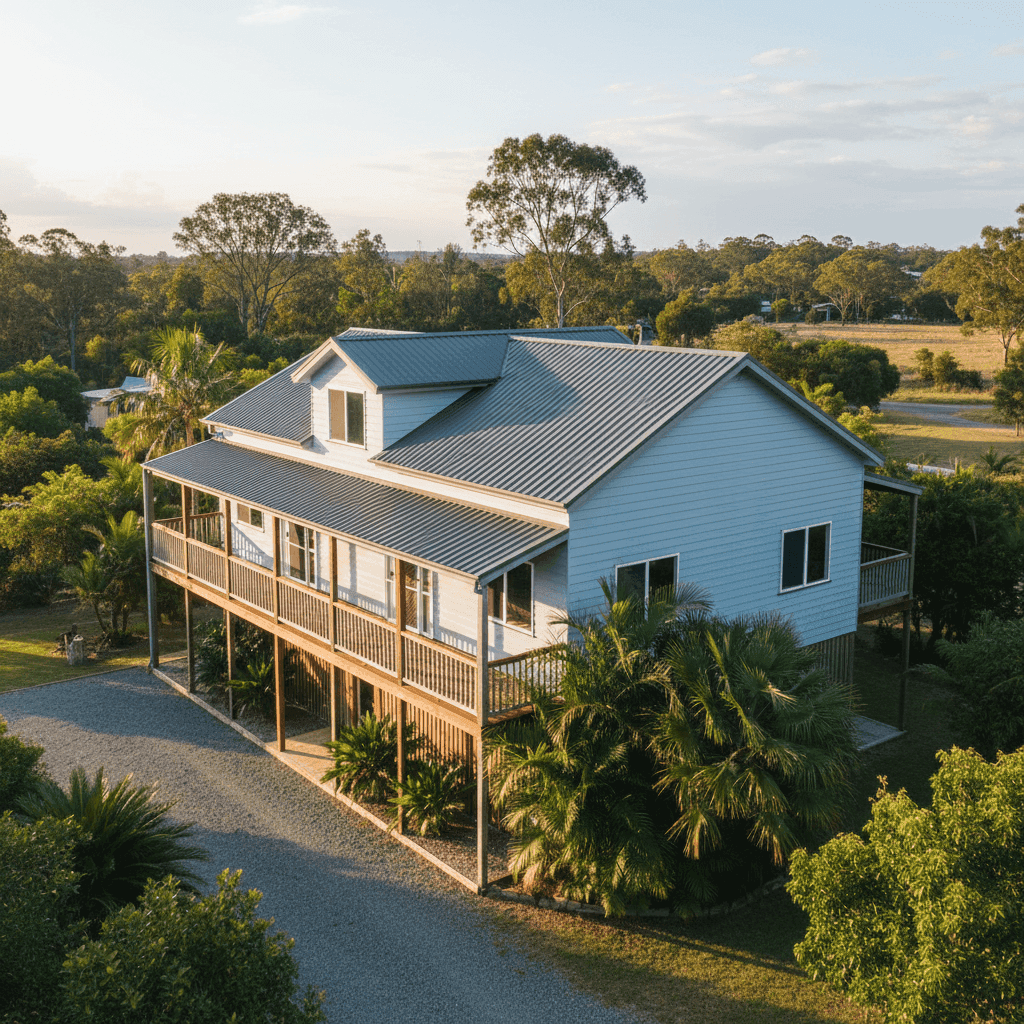
Palmers Channel is a quiet coastal locality in the Clarence Valley region of northern New South Wales — a place known for its waterways, relaxed lifestyle, and close-knit community. But for homeowners with a free standing property in this postcode, home insurance can be anything but relaxing. This article breaks down a real home and contents insurance quote for a four-bedroom weatherboard home in Palmers Channel (NSW 2463), compares it against state and national benchmarks, and offers practical tips to help you manage your premium.
---
Is This Quote Fair?
The annual premium on this quote comes in at $32,467 per year (or $3,187/month), covering a building sum insured of $841,000 and $50,000 in contents. Our price rating for this quote is EXPENSIVE — Above Average.
To put that in perspective: the NSW state average premium sits at $3,801 per year, while the national average is $2,965 per year. This quote is more than eight times the NSW average and nearly eleven times the national average — a significant gap that demands explanation.
It's important to note that a higher-than-average premium doesn't automatically mean you're being overcharged. Insurers price risk based on a wide range of property-specific and location-specific factors, and Palmers Channel carries several characteristics that can push premiums substantially higher. That said, a quote of this magnitude absolutely warrants scrutiny and comparison shopping before you commit.
---
How Palmers Channel Compares
While suburb-level comparison data isn't available for Palmers Channel specifically, the Clarence Valley LGA average premium is $31,244 per year — which tells a very clear story. This quote of $32,467 is broadly in line with what other homeowners across the LGA are paying, suggesting the elevated pricing reflects genuine regional risk factors rather than a one-off anomaly.
Here's a quick snapshot of how the numbers stack up:
| Benchmark | Annual Premium |
|---|---|
| This Quote | $32,467 |
| Clarence Valley LGA Average | $31,244 |
| NSW State Average | $3,801 |
| NSW State Median | $3,410 |
| National Average | $2,965 |
| National Median | $2,716 |
You can explore more detailed pricing data on the Palmers Channel suburb stats page and compare it against broader NSW trends.
The dramatic difference between the Clarence Valley LGA and the rest of NSW reflects the flood and inundation risk that is characteristic of low-lying river and coastal areas in this part of the state. Insurers factor in claims history across a region, and the Clarence Valley has experienced significant flood events that have shaped how underwriters assess risk here.
---
Property Features That Affect Your Premium
Several characteristics of this property are likely contributing to the elevated premium. Understanding these can help you have more informed conversations with insurers.
Weatherboard Timber Walls
Weatherboard construction is one of the most common building types in older Australian homes, but it carries a higher risk profile than brick or rendered masonry. Timber is more susceptible to fire, rot, and storm damage — all of which translate to higher claim likelihood and cost in the eyes of underwriters.
Age of Construction (1958)
At over 65 years old, this home predates modern building codes by decades. Older homes often have outdated wiring, plumbing, and structural elements that can increase the risk of fire or water damage. Insurers typically apply loading to homes built before the 1980s, particularly those with original materials still in place.
Stump Foundation
Homes on stumps (also known as pier or post foundations) are common in flood-prone and coastal areas of Queensland and northern NSW — often because they were designed to allow water to flow beneath the structure. While this can offer some flood resilience, stump foundations are also more vulnerable to movement, termite activity, and storm uplift, all of which factor into premium calculations.
Timber and Laminate Flooring
Timber flooring, while aesthetically appealing, is more costly to repair or replace after water ingress or flooding compared to concrete slab or tile alternatives. This adds to the overall rebuild cost estimate and can influence both the sum insured and the premium.
Building Size and Sum Insured
At 214 sqm with a building sum insured of $841,000, this is a substantial coverage amount. The sum insured directly influences the premium — and in a high-risk area, a higher rebuild value compounds the cost significantly.
---
Tips for Homeowners in Palmers Channel
If you're a homeowner in Palmers Channel facing a premium of this magnitude, here are some practical steps worth considering:
1. Shop Around — Seriously
The single most impactful thing you can do is compare quotes from multiple insurers. Pricing in high-risk areas can vary enormously between providers, as each insurer uses its own flood mapping data, claims modelling, and risk appetite. What one insurer prices at $32,000, another might quote at $24,000 or less. Get a comparison quote at CoverClub to see what's available for your property.
2. Review Your Sum Insured Carefully
Make sure your building sum insured reflects the actual cost to rebuild — not the market value of your property. Overinsuring can unnecessarily inflate your premium. Consider getting a professional building valuation or using an online rebuild cost calculator to ensure your coverage is accurate, not excessive.
3. Increase Your Excess Strategically
This property already carries a $3,000 building excess and a $1,000 contents excess. If you're financially able to absorb a higher out-of-pocket cost in the event of a claim, opting for a higher voluntary excess can meaningfully reduce your annual premium. Ask your insurer what the premium impact would be at various excess levels.
4. Maintain and Document Your Property
Regular maintenance — particularly of the roof, gutters, stumps, and external walls — can reduce the likelihood of claims and may support conversations with insurers about your risk profile. Keeping photographic records of your property's condition and contents also strengthens any future claims you may need to make.
---
Ready to Compare?
A premium of over $32,000 per year is a significant household expense, and it's worth making sure you're getting the best possible value for that outlay. At CoverClub, we help Australian homeowners compare home and contents insurance quotes quickly and easily — so you can see exactly what's on the market for your property and postcode.
Start your comparison at CoverClub and find out whether you could be paying less for the same level of protection.