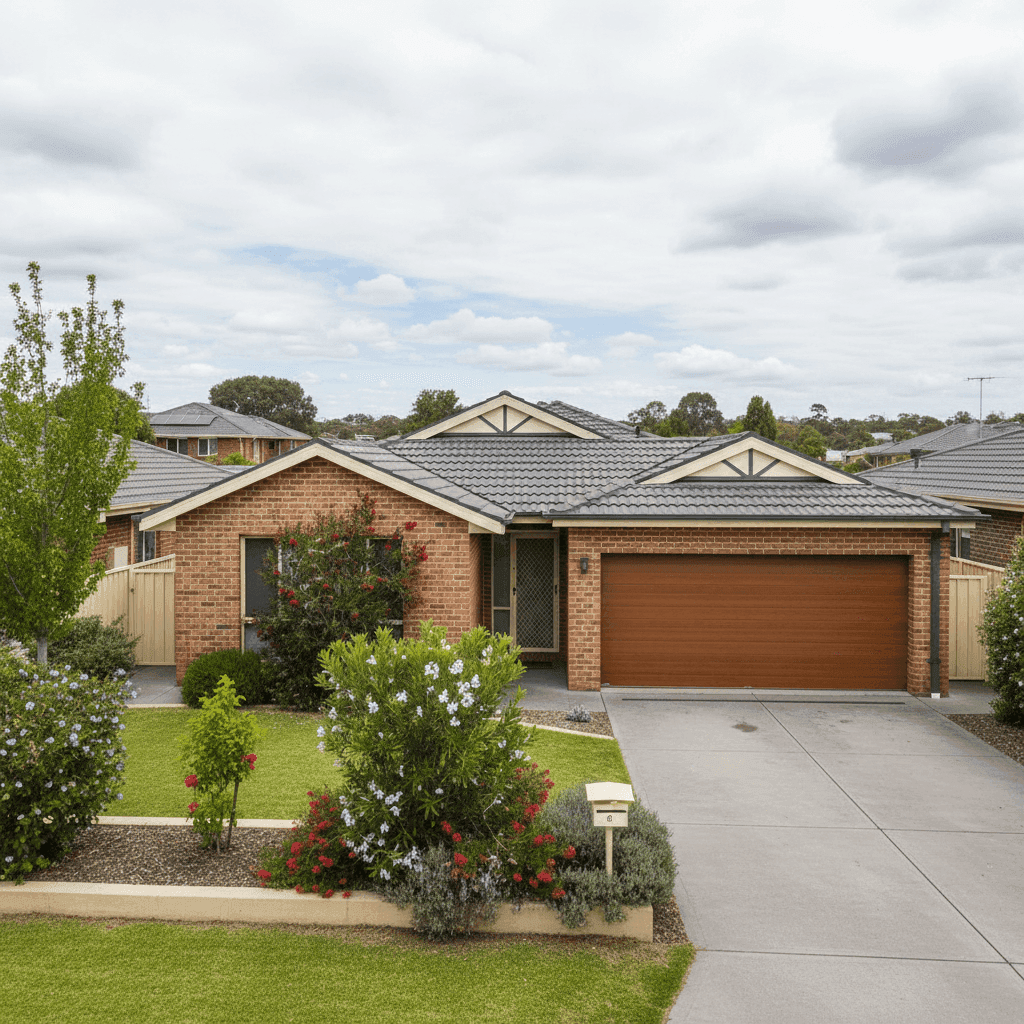
If you own a free standing home in Palmerston, ACT 2913, you've likely wondered whether you're paying a fair price for your home insurance — or whether there's a better deal waiting to be found. This article breaks down a real home and contents insurance quote for a three-bedroom brick veneer home in the suburb, comparing it against local, state-wide, and national benchmarks to help you make a more informed decision.
---
Is This Quote Fair?
The quote in question comes in at $1,502 per year (or roughly $144 per month) for combined home and contents cover, with a building sum insured of $580,000 and contents valued at $150,000. Both the building and contents excess are set at $1,000.
Our price rating for this quote is FAIR — Around Average.
That assessment holds up well when you look at the numbers in context. The suburb average premium for Palmerston sits at $1,880 per year, and the median is $1,850 per year. This quote comes in noticeably below both figures, landing closer to the 25th percentile of $1,477 per year. In plain terms, this homeowner is paying less than the majority of comparable properties in the area — which is a solid outcome.
It's worth noting that "fair" doesn't mean "the cheapest possible" — it means the quote is competitive and reasonable given the property's characteristics and coverage levels. There's always potential to do better, but there's no glaring red flag here suggesting the homeowner is being significantly overcharged.
---
How Palmerston Compares
To put this quote in proper perspective, it helps to zoom out and look at the broader insurance landscape.
| Benchmark | Premium |
|---|---|
| This quote | $1,502/yr |
| Palmerston suburb average | $1,880/yr |
| Palmerston suburb median | $1,850/yr |
| ACT state average | $2,288/yr |
| ACT state median | $2,186/yr |
| LGA (Unincorporated ACT) average | $2,172/yr |
| National average | $5,347/yr |
| National median | $2,764/yr |
The figures paint a clear picture: Palmerston is a relatively affordable suburb when it comes to home insurance. You can explore the full breakdown of Palmerston suburb insurance statistics or dive into ACT-wide insurance data to see how the territory compares to other parts of the country.
One standout figure is the national average of $5,347 per year. This is heavily influenced by high-risk regions — particularly cyclone-prone areas in Queensland and Western Australia — which dramatically skew the national mean upward. The national median of $2,764 per year is a more realistic comparison point for most homeowners. Even against that figure, this Palmerston quote looks quite competitive. For a broader perspective, check out national home insurance statistics.
The ACT as a whole tends to benefit from lower insurance costs compared to many other states, largely due to the absence of cyclone risk, relatively low flood exposure in most suburbs, and a well-maintained urban infrastructure. Palmerston, as a planned suburb developed from the late 1980s onwards, fits neatly into that lower-risk profile.
---
Property Features That Affect Your Premium
Several characteristics of this particular property work in the homeowner's favour from a risk and pricing perspective.
Brick veneer construction is one of the most common and well-regarded wall types for residential insurance purposes. It offers solid fire resistance and structural durability, which insurers typically view positively when calculating premiums.
Tiled roofing is similarly well-regarded. Compared to materials like Colorbond or corrugated iron, tiles are considered a lower-risk roofing type in non-cyclone areas, as they're durable and widely understood by insurers.
Slab foundation is standard for homes of this era and construction type, and doesn't introduce any unusual risk factors. Similarly, carpet flooring is straightforward from an insurance perspective — it's not a high-value finish that would push contents or building replacement costs significantly higher.
The home was built in 1992, which places it in a generation of construction that generally meets modern building standards without the complications that can arise from very old homes (such as asbestos-containing materials or outdated wiring). At 130 sqm, it's a modest but comfortable footprint for a three-bedroom property.
The presence of ducted climate control is worth noting — this is a fixed building feature that contributes to the overall building sum insured of $580,000. Ducted systems can be expensive to replace, so ensuring the building sum insured adequately accounts for this is important.
Notably, this property has no pool and no solar panels, both of which can add complexity and cost to a policy. Their absence keeps things straightforward.
---
Tips for Homeowners in Palmerston
1. Review your building sum insured regularly Construction costs have risen significantly in recent years. A sum insured of $580,000 for a 130 sqm brick veneer home is worth reviewing annually to ensure it reflects current rebuilding costs — not just the market value of the property. Underinsurance is one of the most common and costly mistakes homeowners make.
2. Consider your excess carefully Both the building and contents excess on this policy are set at $1,000. Opting for a higher excess can reduce your annual premium, but make sure you could comfortably cover that amount out of pocket in the event of a claim. It's a balance between short-term savings and financial readiness.
3. Don't auto-renew without comparing Even if your current premium seems reasonable, the home insurance market changes frequently. Insurers adjust their pricing models, and new competitors regularly enter the market. Taking 10–15 minutes to compare quotes at renewal time can result in meaningful savings — or at least the confidence that you're on the best available deal.
4. Keep a current home contents inventory With $150,000 in contents cover, it's worth maintaining an up-to-date list of your belongings — including serial numbers and approximate values for high-ticket items. This makes any future claim process significantly smoother and helps ensure you're not over- or under-insured on the contents side.
---
Find a Better Deal with CoverClub
Whether you're happy with your current insurer or curious whether you could be paying less, comparing quotes is always worth the effort. CoverClub makes it easy to see what multiple insurers would charge for your specific property — so you can make a decision based on real data, not guesswork. Get a home insurance quote today and see how your premium stacks up.