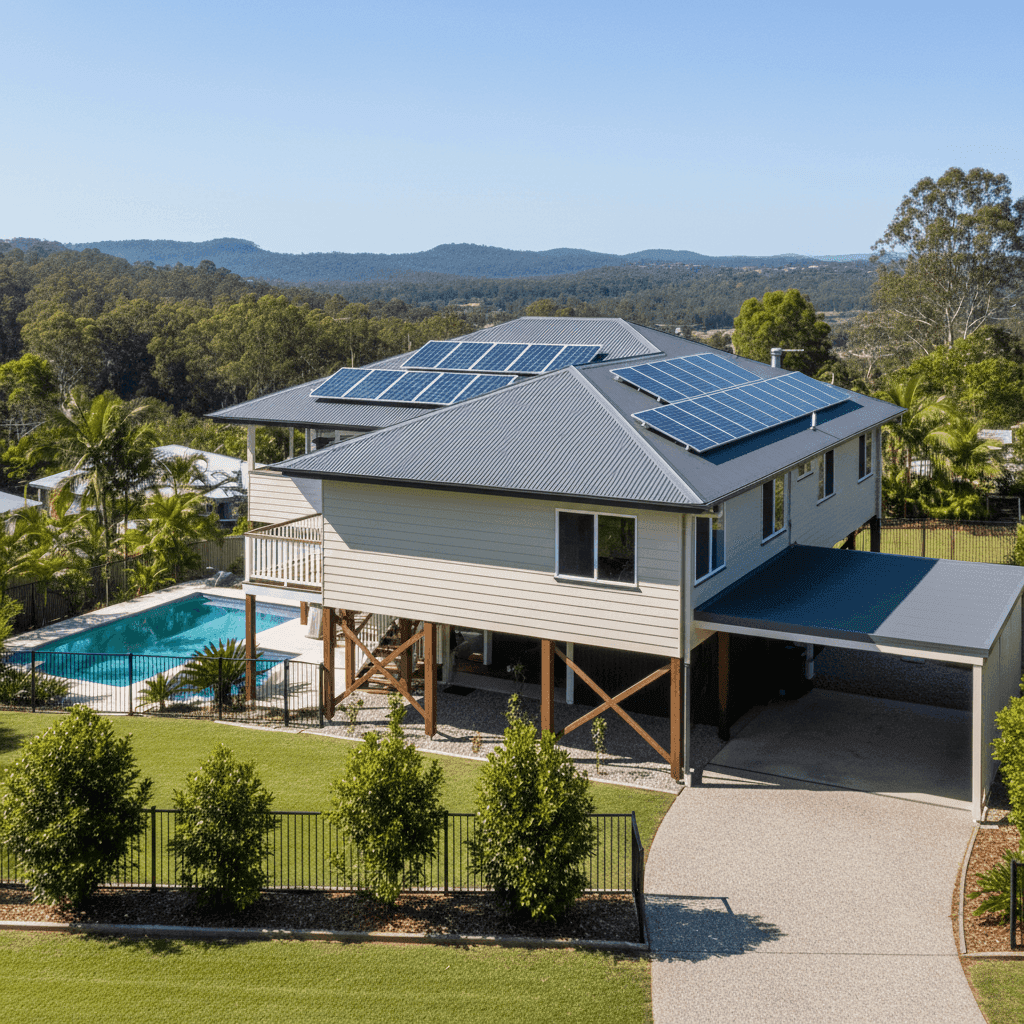
If you own a home in Palmwoods, QLD 4555, you already know the appeal — a relaxed hinterland lifestyle on the Sunshine Coast, surrounded by greenery and just a short drive from the coast. But when it comes to protecting your biggest asset, understanding what you should be paying for home insurance can be just as important as finding the right policy. This article breaks down a real home and contents insurance quote for a four-bedroom, two-bathroom free-standing home in Palmwoods, comparing it against local, state, and national benchmarks so you can see exactly where it sits.
---
Is This Quote Fair?
The short answer: yes — and then some. This quote came in at $1,825 per year (or roughly $179 per month), and it earns a price rating of CHEAP, meaning it sits well below the average for the area.
To put that in perspective, the suburb average for Palmwoods is $4,381 per year, with a median of $4,394. That means this quote is less than half what most homeowners in the same postcode are paying. Even at the 25th percentile — where the cheapest quarter of quotes sit — the figure is $3,002 per year. This quote undercuts even that benchmark by a significant margin.
For a property with a building sum insured of $673,000 and contents covered at $109,000, landing a combined annual premium under $1,900 is genuinely impressive. It suggests the insurer has assessed the specific risk profile of this property favourably — and there are good reasons why, as we'll explore below.
---
How Palmwoods Compares
Palmwoods sits within the Sunshine Coast LGA, which has an average premium of $4,608 per year — slightly above the broader Queensland state average of $4,547. Queensland as a whole is one of the more expensive states for home insurance in Australia, largely due to the elevated risk of severe weather events including storms, flooding, and cyclones across much of the state.
Nationally, the picture is quite different. The national average premium is $2,965 per year, with a median of $2,716. So while this Palmwoods quote sits well below local and state averages, it also comes in comfortably under the national average — a strong result by any measure.
| Benchmark | Annual Premium |
|---|---|
| This Quote | $1,825 |
| Palmwoods Suburb Average | $4,381 |
| Palmwoods Suburb Median | $4,394 |
| Sunshine Coast LGA Average | $4,608 |
| QLD State Average | $4,547 |
| National Average | $2,965 |
| National Median | $2,716 |
The gap between this quote and the suburb average is striking. While the sample size of 15 quotes in the suburb gives us a reasonable snapshot, individual premiums can vary enormously based on property-specific factors — which is exactly why comparing quotes matters so much.
---
Property Features That Affect Your Premium
Several characteristics of this particular property likely contributed to its favourable pricing.
Construction Materials
The home features Hardiplank/Hardiflex external walls and a steel/Colorbond roof — both highly regarded by insurers. Fibre cement cladding like Hardiplank is fire-resistant, durable, and low-maintenance, while Colorbond steel roofing is well-suited to the Australian climate and performs strongly in high-wind conditions. These materials are generally viewed as lower risk compared to timber weatherboard or older roofing types.
Elevated Foundation (Stumps)
Built on stumps and elevated by at least one metre, this home has a classic Queensland raised design. Elevation can be a double-edged sword — it offers excellent protection against surface flooding and water ingress, which insurers reward. However, elevated homes can also be more exposed to wind damage. In this case, the flood mitigation benefit appears to have worked in the homeowner's favour.
Construction Year
Built in 2005, the property is relatively modern by Queensland standards. Homes constructed after building code updates in the late 1990s and early 2000s tend to be better engineered for local weather conditions, which can translate to lower premiums.
Pool and Solar Panels
The property includes both a swimming pool and solar panels — two features that add to the replacement cost of the home and typically push premiums upward. The fact that this quote remains competitive despite these inclusions is a positive sign that the overall risk profile is being assessed holistically.
Not in a Cyclone Risk Zone
Palmwoods falls outside designated cyclone risk areas, which is a meaningful factor in Queensland where cyclone-prone regions can attract significant premium loadings. This exclusion from cyclone risk is likely one of the key drivers behind the below-average pricing.
Fittings Quality
With above-average fittings, the internal finish of this home is a step above standard. Higher-quality fixtures and fittings increase the cost to rebuild or repair, which is factored into the building sum insured and, in turn, the premium.
---
Tips for Homeowners in Palmwoods
1. Review Your Sum Insured Annually
Building costs in Queensland have risen significantly in recent years due to labour shortages and material price increases. Make sure your $673,000 building sum insured still reflects the true cost to rebuild — not the market value of the land. Underinsurance is one of the most common (and costly) mistakes homeowners make.
2. Don't Overlook Your Excess Structure
This policy carries a $3,000 building excess and a $1,000 contents excess. A higher excess typically lowers your premium, but make sure you can comfortably cover that amount out of pocket if you need to make a claim. It's worth running the numbers to see whether adjusting your excess changes your premium meaningfully.
3. Shop Around — Even When Your Rate Is Good
Even with a below-average premium, it's worth comparing quotes at CoverClub at renewal time. Insurers reprice their books regularly, and a rate that's competitive today may shift significantly next year.
4. Keep Records of Your Contents
With $109,000 in contents cover, maintaining an up-to-date home inventory — including photos, receipts, and serial numbers for high-value items — can make the claims process significantly smoother. Store this information securely off-site or in the cloud.
---
Compare Your Own Quote
Whether you're a first-time buyer or a long-term Palmwoods resident, understanding what you should be paying is the first step to making sure you're not overpaying. CoverClub makes it easy to compare home and contents insurance quotes from multiple insurers in minutes. Get a quote today and see how your current premium stacks up against the market.