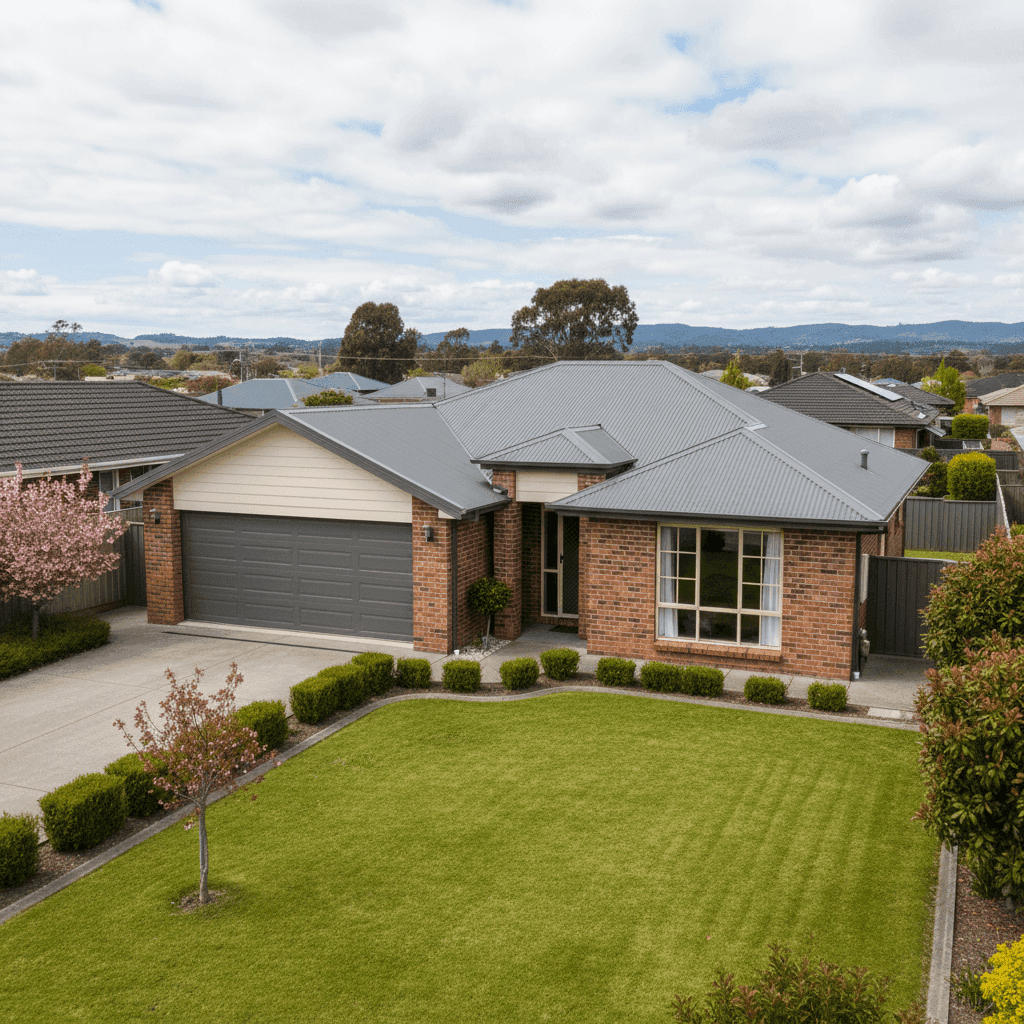
Park Grove is a quiet residential suburb in Tasmania's north-west, sitting within the Burnie local government area. For owners of a free standing home in this part of the state, understanding what drives your insurance premium — and whether you're paying a fair price — can make a meaningful difference to your household budget. This article breaks down a recent home and contents insurance quote for a five-bedroom, brick veneer property in Park Grove (postcode 7320) and puts it in context against local, state, and national benchmarks.
---
Is This Quote Fair?
The quote in question comes in at $1,406 per year (or roughly $139 per month) for combined home and contents cover, with a building sum insured of $1,032,000 and contents valued at $200,000. The building excess sits at $2,000, and the contents excess at $1,000.
Our price rating for this quote is FAIR — Around Average, and the data backs that up. At $1,406 annually, this premium lands just below the Park Grove suburb average of $1,486/yr and slightly below the suburb median of $1,445/yr. That means this homeowner is paying less than what most of their neighbours are being quoted for comparable cover — a modest but genuine saving.
It's worth noting that the spread of premiums across Park Grove is reasonably wide. The 25th percentile sits at $903/yr, meaning roughly a quarter of comparable quotes come in under $900 — though those may reflect lower sums insured or different risk profiles. At the other end, the 75th percentile reaches $1,781/yr. This quote sits comfortably in the middle of the pack, which is exactly what "fair" means in practice.
---
How Park Grove Compares
One of the most striking takeaways from this data is just how favourably Park Grove stacks up against broader benchmarks.
| Benchmark | Average Premium |
|---|---|
| Park Grove (suburb) | $1,486/yr |
| Burnie LGA | $2,099/yr |
| Tasmania (state) | $2,458/yr |
| National | $2,965/yr |
This quote of $1,406/yr is:
- $693 below the Burnie LGA average
- $1,052 below the Tasmanian state average
- $1,559 below the national average
That's a substantial difference. Homeowners in Park Grove are, on the whole, paying significantly less for home insurance than the typical Australian household — and well below what many Tasmanians in other parts of the state are being quoted.
You can explore the full breakdown of premiums for this postcode on the Park Grove suburb stats page, compare it against other Tasmanian suburbs on the TAS state stats page, or see how it measures up nationally on the national stats page.
---
Property Features That Affect Your Premium
Every home insurance quote is shaped by the specific characteristics of the property. Here's how the features of this Park Grove home likely influence its premium:
Brick Veneer Walls Brick veneer is one of the most common — and insurer-friendly — wall constructions in Australia. It offers solid fire resistance and durability, which generally translates to more competitive premiums compared to timber-framed or weatherboard homes.
Steel / Colorbond Roof A Colorbond steel roof is viewed favourably by insurers. It's highly resistant to fire, doesn't deteriorate the way older tile or fibrous cement roofing can, and holds up well in stormy conditions. This is a genuine premium-reducing factor.
Slab Foundation Concrete slab foundations are considered low-risk by most insurers. They're less susceptible to subsidence, pest damage, and moisture ingress than older pier-and-beam or timber subfloor systems — all of which can inflate premiums considerably.
Construction Year: 1975 At around 50 years old, this home sits in a middle ground. It's old enough that some insurers may factor in the age of plumbing, wiring, and structural elements, but not so old as to attract significant age-related loadings. Keeping up with maintenance and having records of any upgrades (particularly to electrical systems) can help keep premiums in check.
Building Size: 305 sqm At 305 square metres, this is a generously sized home. Larger floor areas naturally attract higher building sums insured — and this quote reflects that with a $1,032,000 building cover figure. That said, the premium-per-square-metre remains very reasonable relative to state and national norms.
No Pool, No Solar, No Cyclone Risk The absence of a swimming pool removes a common liability risk factor. No solar panels means no additional coverage complexity. And crucially, Park Grove is not classified as a cyclone risk area — unlike many parts of Queensland and northern Western Australia where cyclone-related loadings can dramatically inflate premiums.
---
Tips for Homeowners in Park Grove
1. Review your building sum insured regularly With a building sum insured of $1,032,000, it's important to ensure this figure reflects the actual cost to rebuild — not the market value of the property. Construction costs in Tasmania have risen in recent years, so an annual review is worthwhile. Underinsurance is one of the most common — and costly — mistakes homeowners make.
2. Consider your excess carefully This quote carries a $2,000 building excess and a $1,000 contents excess. Opting for a higher excess is a common way to reduce your annual premium, but make sure you can comfortably cover that amount out of pocket if you need to make a claim. Conversely, if cash flow is a concern, a lower excess (with a slightly higher premium) might offer better peace of mind.
3. Keep maintenance records for your 1975 home Older homes can attract scrutiny at claims time if electrical, plumbing, or roofing systems haven't been maintained. Keeping records of any upgrades — rewiring, re-roofing, replumbing — can support your claim and may even help you negotiate a better premium at renewal.
4. Shop around at renewal time The fact that this quote is below the suburb average is encouraging, but it doesn't mean it's the best available. Insurance premiums can vary significantly between providers for the same property and cover level. Using a comparison tool at renewal is one of the easiest ways to ensure you're not overpaying.
---
Compare Your Home Insurance with CoverClub
Whether you're renewing your existing policy or taking out cover for the first time, it pays to see what's available in the market. CoverClub makes it easy to compare home and contents insurance quotes for properties across Tasmania and the rest of Australia. Get a quote today and find out if you could be paying less for the same level of protection.