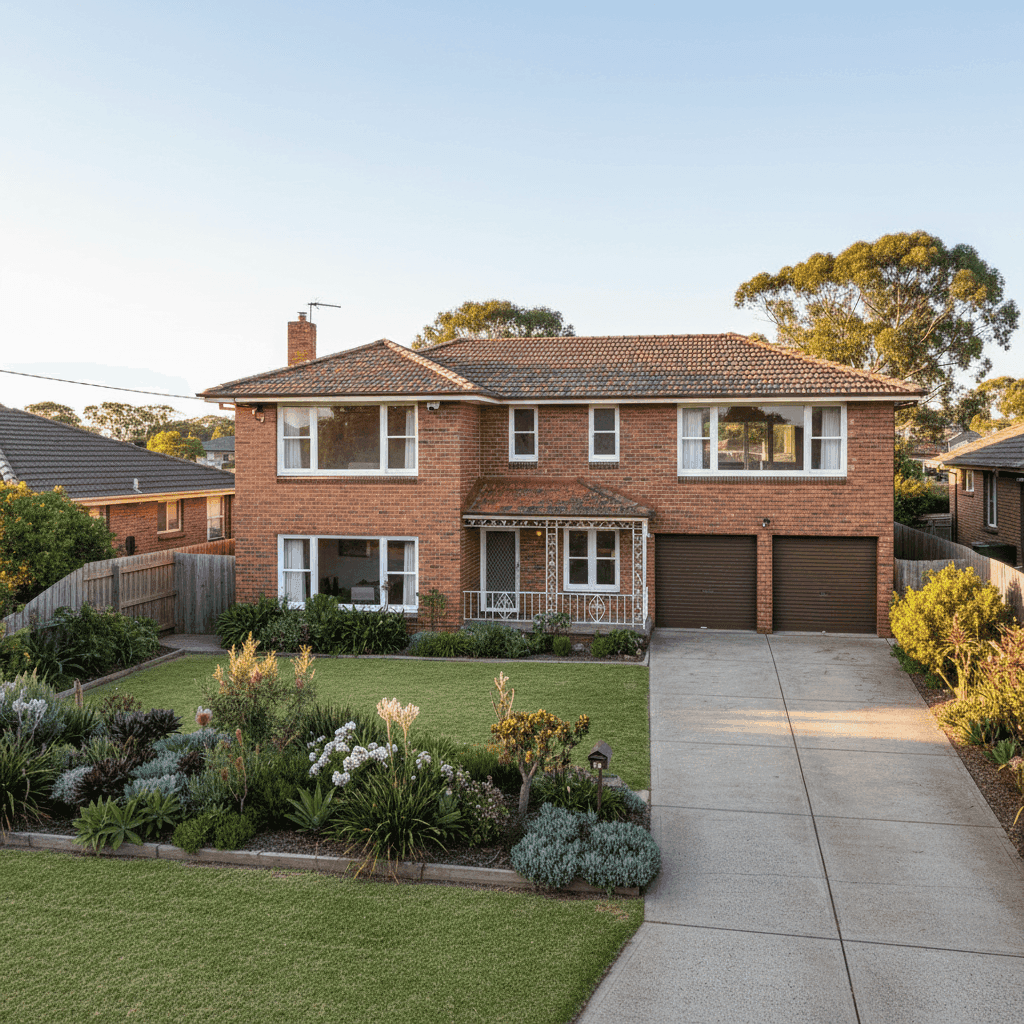
Parkdale is a well-established bayside suburb in Melbourne's south-east, known for its quiet streets, proximity to the beach, and a strong mix of period homes and modern renovations. For owners of a four-bedroom, free-standing home in this postcode, understanding what drives your home and contents insurance premium — and whether you're paying a fair price — can make a real difference to your household budget.
This article breaks down a real home and contents insurance quote for a property in Parkdale (VIC 3195), compares it against local, state, and national benchmarks, and offers practical tips to help you get the best value cover.
---
Is This Quote Fair?
The quote in question comes in at $2,118 per year (or around $212 per month) for combined home and contents cover, with a building sum insured of $1,100,000 and contents valued at $94,000. Both the building and contents excess are set at $2,000.
Our pricing engine rates this quote as Fair — Around Average, and the data backs that up. The suburb's average premium sits at $2,497 per year, meaning this quote is roughly $379 below the Parkdale average — a meaningful saving without any obvious red flags in the coverage structure.
It's worth noting that "fair" doesn't mean "the cheapest available." It means the premium is sitting in a reasonable band relative to comparable properties and cover levels in the area. For context, the suburb's 25th percentile is $2,095 per year, so this quote is just above the lower quartile — suggesting there may be room to push a little further, but you're already well clear of the higher-cost tier (the 75th percentile sits at $2,819 per year).
---
How Parkdale Compares
One of the most useful ways to evaluate any insurance quote is to zoom out and look at the broader pricing landscape. Here's how Parkdale stacks up:
| Benchmark | Premium |
|---|---|
| This Quote | $2,118/yr |
| Parkdale Suburb Average | $2,497/yr |
| Parkdale Suburb Median | $2,431/yr |
| Victoria State Average | $3,000/yr |
| Victoria State Median | $2,718/yr |
| Kingston LGA Average | $3,103/yr |
| National Average | $5,347/yr |
| National Median | $2,764/yr |
(Based on 22 quotes sampled in the Parkdale area)
A few things stand out here. First, Parkdale homeowners generally pay less than the Victorian state average — the suburb median of $2,431 is notably below the state median of $2,718. This reflects the relatively low-risk profile of the area: no cyclone exposure, minimal bushfire risk, and a well-serviced urban environment.
Second, the gap between the national average ($5,347) and local figures is striking. This is largely driven by high-risk regions in Queensland, Western Australia, and northern Australia, where cyclone, flood, and storm risk push premiums significantly higher. Parkdale's bayside Melbourne location keeps it well out of those risk categories.
You can explore full suburb-level data on our Parkdale insurance stats page, or compare across the state on the Victoria insurance stats page. For a broader picture, our national insurance stats page shows how different regions of Australia compare.
---
Property Features That Affect Your Premium
Every home is different, and insurers price risk based on a range of physical characteristics. Here's how the key features of this particular property are likely influencing the premium:
Brick Veneer Construction Brick veneer is one of the most common wall types in Melbourne's post-war suburbs, and it's generally viewed favourably by insurers. It offers solid fire resistance and structural durability, which can help keep premiums in check compared to timber-framed or weatherboard homes.
Tiled Roof Terracotta or concrete tiles are considered a relatively resilient roofing material. They hold up well in hail and wind events typical of Melbourne's variable climate, though they can be more costly to repair or replace than Colorbond steel — a factor that may be reflected in the building sum insured.
Stump Foundation Built in 1958, this home sits on stumps — a very common foundation type for homes of that era in Melbourne's south-east. Stumped homes can be susceptible to movement over time, particularly in areas with reactive clay soils. Insurers may factor this into their risk assessment, especially for older properties.
Timber and Laminate Flooring The flooring type is relevant primarily for contents and internal finishes cover. Timber floors can be expensive to repair or replace if damaged by water or impact, which is worth keeping in mind when setting your sum insured.
Ducted Climate Control The presence of ducted heating and cooling adds to the replacement value of the home's fixtures and fittings. This is appropriately captured in the building sum insured and is a common feature in Melbourne homes given the city's wide temperature range.
Building Size: 214 sqm At 214 square metres, this is a comfortably sized family home. The $1,100,000 building sum insured works out to roughly $5,140 per square metre — broadly in line with current construction costs in Melbourne for a home of this age and specification.
---
Tips for Homeowners in Parkdale
1. Review your building sum insured regularly Construction costs in Melbourne have risen sharply over the past few years. A sum insured that was accurate two or three years ago may now fall short of what it would actually cost to rebuild. Use a building cost calculator or speak with a quantity surveyor to make sure your cover keeps pace with real-world rebuild costs.
2. Consider your excess carefully This quote carries a $2,000 excess on both building and contents. A higher excess generally reduces your premium, but it's important to make sure you could comfortably cover that amount out of pocket if you needed to make a claim. If cash flow is a concern, a lower excess — even at a slightly higher premium — may be worth it.
3. Bundle your building and contents cover This quote already combines building and contents, which is a smart move. Many insurers offer discounts for bundling, and it simplifies the claims process significantly — particularly in scenarios like storm damage, where both the structure and your belongings might be affected at the same time.
4. Don't auto-renew without comparing Insurance loyalty rarely pays. Premiums can shift significantly from year to year, and the market is competitive. Even if your current quote is fair, it's worth running a fresh comparison at renewal time to make sure you're still getting value.
---
Ready to Compare Home Insurance in Parkdale?
Whether you're a first-time buyer or a long-time Parkdale resident, comparing quotes is one of the simplest ways to make sure you're not overpaying for cover. At CoverClub, we make it easy to see what multiple insurers would charge for your specific property — so you can make an informed decision rather than just accepting the first number you're given.