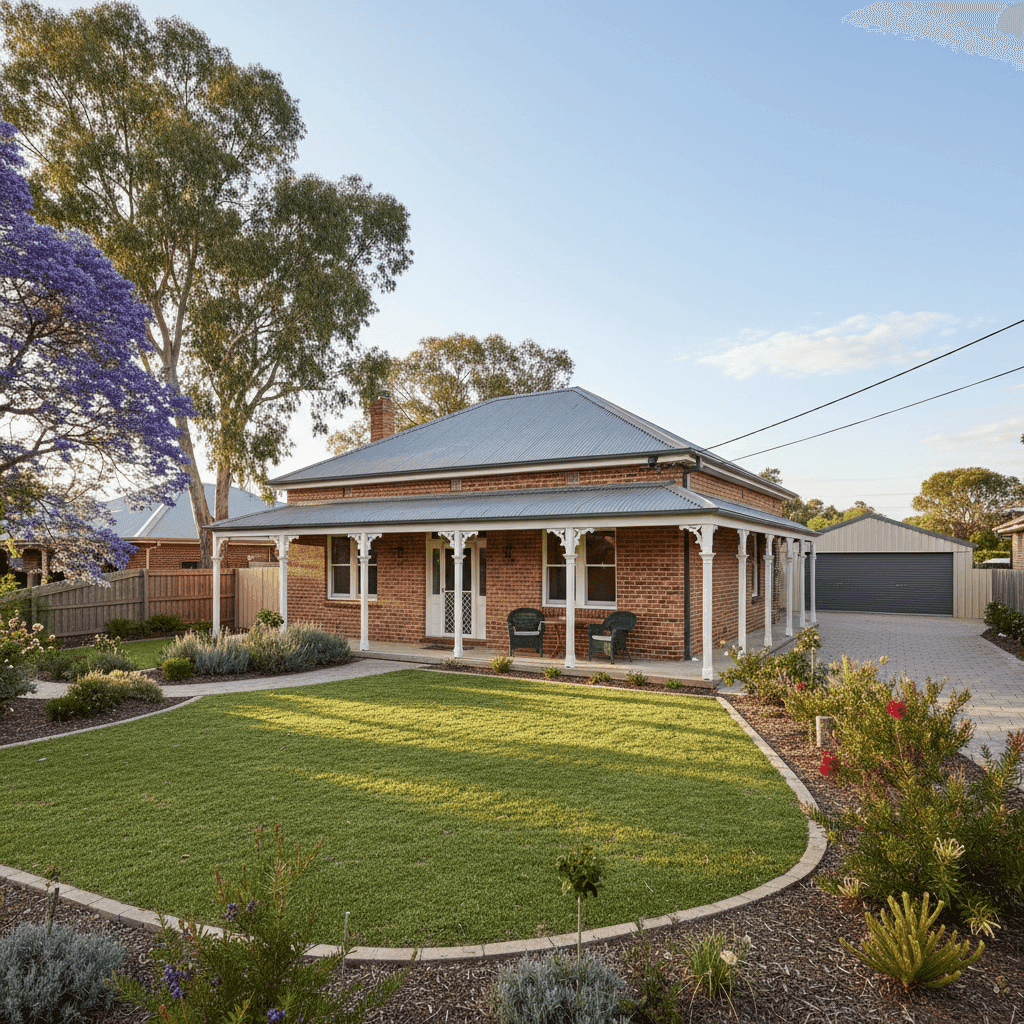
If you own a free standing home in Parkville, NSW 2337, you're probably curious about whether you're paying a fair price for home insurance — or leaving money on the table. This article breaks down a recent home and contents insurance quote for a three-bedroom property in the area, compares it against local, state, and national benchmarks, and offers practical tips to help you get the best value cover.
---
Is This Quote Fair?
The quote in question comes in at $1,372 per year (or roughly $130 per month) for combined home and contents insurance, covering a building sum insured of $734,000 and contents valued at $50,000. The building excess is set at $2,500, with a lower contents excess of $500.
Based on CoverClub's pricing analysis, this premium is rated CHEAP — meaning it sits below the average for comparable properties. That's genuinely good news for the homeowner. For a property of this size, age, and construction type, landing a sub-$1,400 annual premium for both building and contents cover is a strong result.
It's worth noting that a below-average price doesn't mean below-average cover — it simply means this quote is competitively priced relative to what most Australians are paying for similar protection. Of course, policy inclusions, exclusions, and claim limits still matter enormously, so it's always worth reading the Product Disclosure Statement (PDS) carefully before committing.
---
How Parkville Compares
To put this quote in context, let's look at the broader pricing landscape. Unfortunately, suburb-level data for Parkville (2337) isn't currently available, but state and national figures paint a clear picture. You can explore Parkville insurance statistics as more data becomes available.
| Benchmark | Annual Premium |
|---|---|
| This Quote | $1,372 |
| LGA (Mid-Coast) Average | $5,840 |
| NSW State Average | $9,528 |
| NSW State Median | $3,770 |
| National Average | $5,347 |
| National Median | $2,764 |
The numbers are striking. At $1,372, this quote is:
- 85.6% below the NSW state average of $9,528
- 63.6% below the NSW median of $3,770
- 74.3% below the national average of $5,347
- 50.4% below the national median of $2,764
- 76.5% below the Mid-Coast LGA average of $5,840
The NSW state average is notably high compared to the national figure — a reflection of the elevated risk profiles found across parts of the state, including flood-prone valleys, bushfire corridors, and coastal storm zones. Parkville, situated in the Upper Hunter region, benefits from a more moderate risk profile in this instance, which likely contributes to the favourable pricing.
For a broader view of how premiums vary across the state, visit the NSW insurance statistics page, or check the national home insurance statistics for an Australia-wide perspective.
---
Property Features That Affect Your Premium
Several characteristics of this particular property work in the homeowner's favour when it comes to insurance pricing.
Double Brick Construction Double brick external walls are highly regarded by insurers. They offer excellent structural integrity, strong fire resistance, and durability against the elements. Compared to timber-framed or clad homes, double brick properties typically attract lower premiums due to their resilience and lower likelihood of total loss.
Steel / Colorbond Roof A Colorbond steel roof is another positive signal for insurers. It's lightweight, resistant to corrosion, and performs well in high-wind events. Colorbond is also non-combustible, which is a meaningful advantage in areas where bushfire risk is a consideration.
Stump Foundation The property sits on stumps, which is common for homes of this era in regional NSW. While stumped foundations can introduce some vulnerability to movement and moisture over time, they also allow for better airflow underneath the home and can make repairs more accessible. Insurers generally treat stumped homes similarly to slab foundations, though it's worth ensuring your policy covers subfloor structural issues.
Timber and Laminate Flooring Timber and laminate floors are a feature worth noting in the context of water damage claims. These materials can be more susceptible to warping from leaks or flooding than tiles, so it's worth confirming your policy's water damage provisions — particularly around gradual damage versus sudden events.
Construction Year: 1920 At over 100 years old, this home has stood the test of time — but age does factor into insurance. Older homes can carry higher rebuild costs due to the need for heritage-style materials or craftsmanship, and ageing plumbing or electrical systems can increase the risk of certain claims. Ensuring your sum insured accurately reflects the current cost to rebuild (not just the market value) is essential.
Above-Average Fittings The property features above-average quality fittings, which is reflected in both the building sum insured and the overall premium. Higher-quality kitchens, bathrooms, and fixtures cost more to replace, so it's important that your sum insured accounts for this — and it appears this quote does.
---
Tips for Homeowners in Parkville
1. Validate Your Sum Insured Regularly With a building sum insured of $734,000 for a 205 sqm home, this quote appears well-calibrated. However, construction costs have risen significantly across regional NSW in recent years. Make it a habit to reassess your sum insured annually — ideally using a professional building cost estimator — to avoid being underinsured at claim time.
2. Check What Your Policy Says About Older Homes Given the 1920 construction date, ask your insurer specifically about cover for gradual deterioration, heritage materials, and whether the policy includes "match and repair" provisions. Some policies will only pay to replace damaged elements with modern equivalents, which can leave a visible mismatch in an older home.
3. Review Your Contents Cover A $50,000 contents sum may be adequate for some households, but it's easy to underestimate the replacement value of furniture, appliances, clothing, and personal items. Walk through each room and tally up what it would genuinely cost to replace everything — you may find $50,000 is on the lean side.
4. Consider Your Excess Strategy This policy carries a $2,500 building excess, which is on the higher end. A higher excess generally lowers your premium, but it also means a larger out-of-pocket cost when you do make a claim. Weigh up whether the premium saving justifies the financial exposure, particularly for mid-range claims.
---
Compare Quotes and Find Better Value
Whether this quote is the right fit for your circumstances depends on more than just the price. Policy features, claim limits, and insurer reputation all play a role. The best way to know if you're getting genuine value is to compare multiple quotes side by side.
Get a home insurance quote at CoverClub and see how your options stack up — it takes just a few minutes and could save you hundreds of dollars a year.