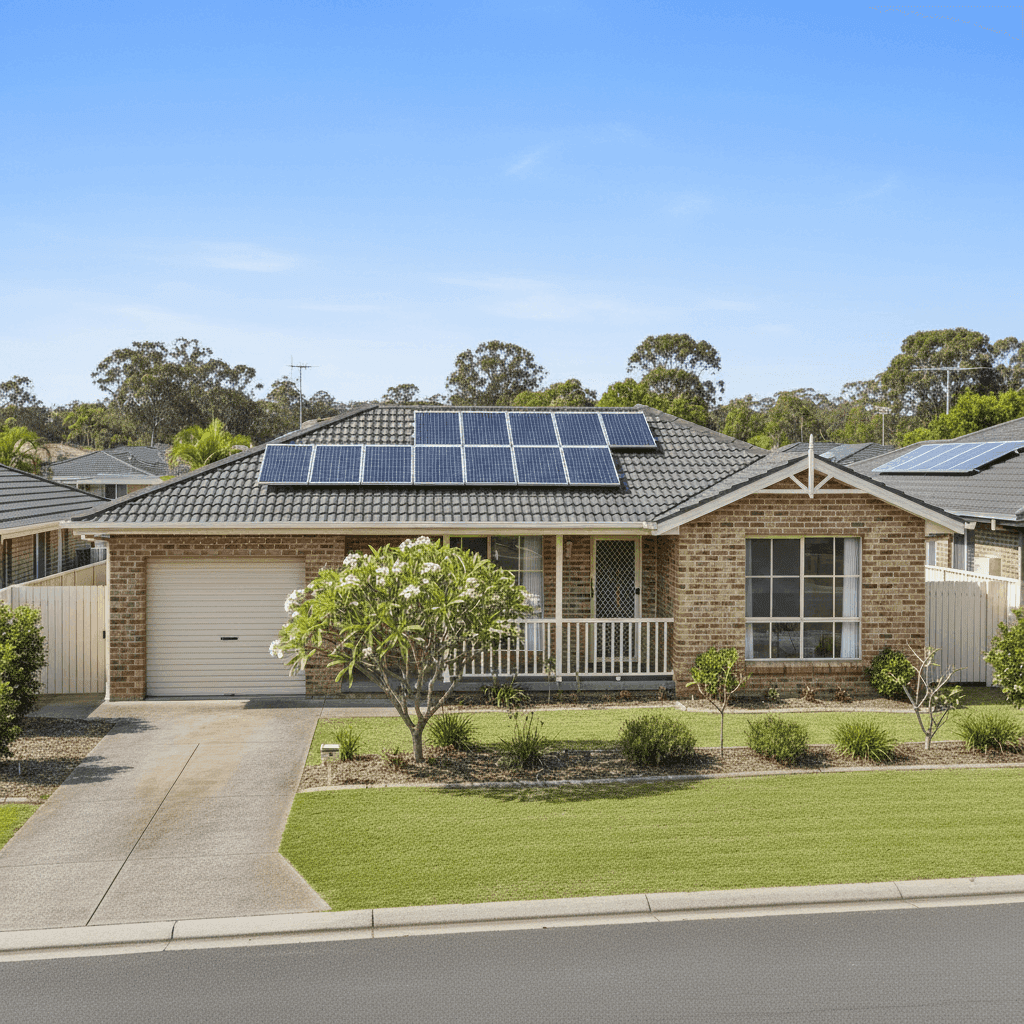
If you own a free standing home in Parkwood, QLD 4214, you've probably wondered whether you're paying too much — or too little — for home insurance. This article breaks down a real insurance quote for a three-bedroom, two-bathroom brick veneer home in the suburb, and puts it in context against local, state, and national pricing data to help you make a more informed decision.
---
Is This Quote Fair?
The quote in question comes in at $1,073 per year (or roughly $101 per month) for combined Home and Contents cover, with a building sum insured of $423,000 and contents valued at $110,000. CoverClub's pricing engine rates this quote as CHEAP — that is, below average for the area.
To put that in perspective: the average home and contents premium across Parkwood sits at $3,649 per year, with a median of $3,408. This quote is less than a third of the suburb average — a significant saving by any measure.
That said, it's worth looking closely at the excess structure. The building excess is set at $4,000, which is on the higher side. A lower premium often comes hand-in-hand with a higher excess, meaning you'd be out of pocket more before your insurer steps in after a claim. The contents excess of $1,000 is more in line with standard market offerings. Whether this trade-off suits you depends on your financial position and appetite for risk.
Overall, for a property with this profile in Parkwood, this quote represents genuine value — but understanding why it's priced this way is just as important as the number itself.
---
How Parkwood Compares
Parkwood sits within the Gold Coast Local Government Area (LGA), and that context matters enormously when assessing insurance costs. Based on data from 87 quotes collected for the Parkwood area:
| Benchmark | Premium |
|---|---|
| This quote | $1,073/yr |
| Suburb 25th percentile | $2,434/yr |
| Suburb median | $3,408/yr |
| Suburb average | $3,649/yr |
| Suburb 75th percentile | $4,360/yr |
| Gold Coast LGA average | $8,161/yr |
| QLD state average | $9,129/yr |
| QLD state median | $3,903/yr |
| National average | $5,347/yr |
| National median | $2,764/yr |
A few things stand out here. The Gold Coast LGA average of $8,161 is dramatically higher than Parkwood's suburb average of $3,649 — suggesting that Parkwood is one of the more affordably insured pockets within the Gold Coast. This is likely due to its relatively low flood and cyclone risk compared to coastal or low-lying parts of the LGA.
Queensland's state average of $9,129 is one of the highest in the country, driven by the prevalence of extreme weather events — particularly cyclones, flooding, and severe storms in many parts of the state. Parkwood's position as a non-cyclone-risk suburb gives it a meaningful pricing advantage over much of regional and coastal QLD.
The national average of $5,347 also sits well above this quote, reinforcing that this particular premium is genuinely competitive on a broader scale.
---
Property Features That Affect Your Premium
Several characteristics of this property work in its favour from an insurance pricing perspective:
Brick Veneer Construction Brick veneer walls are considered a relatively resilient building material. While not as robust as full double-brick construction, they perform well against fire and general weathering, which tends to attract more favourable premiums compared to timber or weatherboard homes.
Tiled Roof Terracotta or concrete tile roofs are generally viewed positively by insurers. They're durable, fire-resistant, and have a long lifespan — all factors that reduce the likelihood of a claim. A home built in 1992 with a tile roof is likely approaching the age where insurers may start asking questions about maintenance, so keeping the roof in good condition is worthwhile.
Slab Foundation A concrete slab foundation is standard for homes of this era and is generally considered low-risk. It's less susceptible to subsidence issues than pier-and-beam or older stumped foundations, which can be a positive factor in premium calculations.
Solar Panels The property has solar panels installed. Many insurers cover solar panels under the building policy as a fixed structure, but it's worth confirming this with your provider. Some policies may require a specific endorsement or may cap the value covered for solar systems. Given the increasing value of solar installations, ensuring adequate coverage is important.
No Pool, No Ducted Climate Control The absence of a swimming pool removes a common liability and maintenance risk from the equation. Similarly, no ducted climate control system means fewer mechanical components that could fail or cause water damage — both of which can quietly inflate premiums.
Non-Cyclone Risk Area This is arguably the single biggest pricing factor in Queensland. Being located outside a designated cyclone risk zone removes a major loading that affects many QLD properties, particularly those north of Brisbane or in coastal regions.
---
Tips for Homeowners in Parkwood
1. Review your building sum insured regularly Construction costs have risen significantly in recent years. A sum insured of $423,000 for a 139 sqm home may be appropriate today, but it's worth reassessing annually. Underinsurance is one of the most common — and costly — mistakes homeowners make.
2. Understand your excess before you claim A $4,000 building excess means smaller claims may not be worth lodging. If a storm causes $3,500 worth of damage to your roof, you'd be covering it yourself. Factor this into your emergency fund planning, and consider whether a lower excess (even at a higher premium) might better suit your circumstances.
3. Confirm solar panel coverage With solar panels on the roof, check your policy wording carefully. Confirm whether the panels are included under your building sum insured, what events are covered (e.g., storm damage, hail, theft), and whether there's a sub-limit that might leave you underinsured if the system needs replacing.
4. Compare quotes at renewal time This quote is priced well below the suburb average — but insurance markets shift. Premiums can increase at renewal without much fanfare. Make a habit of comparing quotes each year rather than simply auto-renewing. Even a 30-minute comparison exercise could save you hundreds of dollars.
---
Ready to See What You Could Pay?
Whether you're a first-time buyer or a long-term Parkwood resident, it pays to know where your premium sits relative to the market. CoverClub makes it easy to get a home insurance quote tailored to your property, and to see how your costs compare against real data from your suburb, your state, and across Australia. Don't leave money on the table at renewal time — a quick comparison could make a real difference.