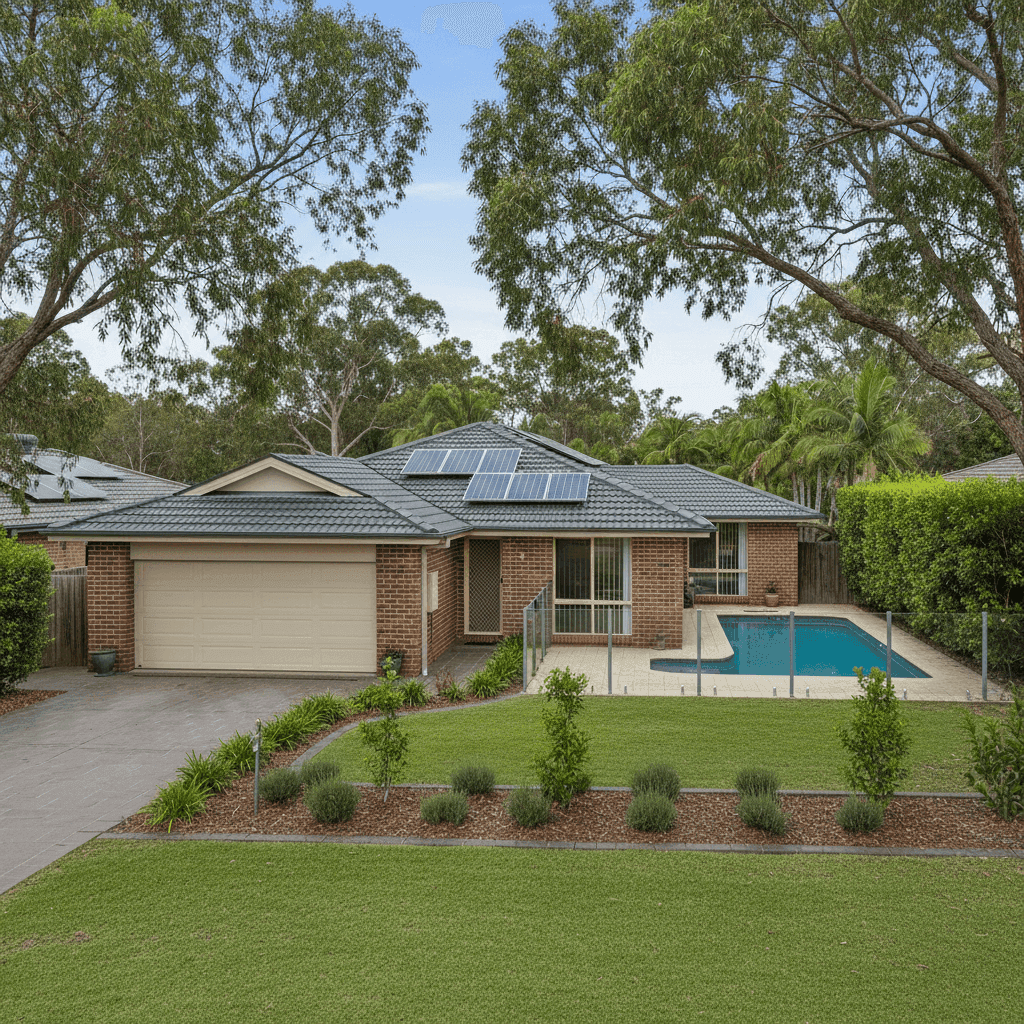
Parkwood is a well-established suburb on the Gold Coast, sitting comfortably in one of Queensland's most sought-after residential corridors. For owners of free standing homes here, understanding what you should be paying for home and contents insurance — and why — can make a significant difference to your household budget. This article breaks down a real quote for a 4-bedroom, 2-bathroom brick veneer home in Parkwood (QLD 4214), compares it against local, state, and national benchmarks, and offers practical advice for homeowners in the area.
---
Is This Quote Fair?
The short answer: yes — and then some. This quote came in at $1,692 per year (or $156 per month) for combined home and contents cover, with a building sum insured of $732,000 and contents valued at $50,000. Our analysis rates this as CHEAP, meaning it sits well below the average for the area.
To put that in perspective, the suburb average for Parkwood sits at $3,769 per year, with a median of $3,215. That means this quote is saving the homeowner roughly $1,500–$2,000 per year compared to what most people in the same postcode are paying. Even against the suburb's 25th percentile — the cheapest quarter of quotes — the benchmark is $2,399 per year. This quote undercuts even that figure by more than $700.
For a property of this size and specification, that's a genuinely strong result. It suggests either an insurer that prices this risk type competitively, or that the property's characteristics are working in the homeowner's favour — likely both.
---
How Parkwood Compares
Zooming out to the broader picture, the value of this quote becomes even clearer. Here's how Parkwood stacks up:
| Benchmark | Annual Premium |
|---|---|
| This Quote | $1,692 |
| Parkwood 25th Percentile | $2,399 |
| Parkwood Median | $3,215 |
| Parkwood Average | $3,769 |
| Parkwood 75th Percentile | $5,543 |
| QLD State Average | $4,547 |
| QLD State Median | $3,931 |
| National Average | $2,965 |
| National Median | $2,716 |
| Gold Coast LGA Average | $5,718 |
The Gold Coast LGA average of $5,718 per year is particularly striking — it reflects the elevated risk profile of many coastal and flood-prone properties across the broader region. Parkwood itself fares better than the LGA average, but premiums here are still substantially above the national median of $2,716.
This quote, at $1,692, sits 55% below the Parkwood suburb average and 63% below the Gold Coast LGA average. Compared to the national average, it's still 43% cheaper. You can explore more data for this postcode on the Parkwood suburb stats page, or compare it against all of Queensland on the QLD state stats page. For a national perspective, visit the national home insurance stats page.
(Based on a sample of 54 quotes in the Parkwood area.)
---
Property Features That Affect Your Premium
Several characteristics of this property likely contribute to its favourable premium. Let's unpack the key ones:
Brick Veneer Walls & Tiled Roof
Brick veneer is one of the most common — and insurer-friendly — external wall types in Australia. It's considered durable and relatively fire-resistant, which typically translates to lower premiums compared to weatherboard or lightweight cladding. Paired with a tiled roof (another low-risk material in terms of fire and weather resistance), this home presents a solid risk profile to underwriters.
Slab Foundation
A concrete slab foundation is generally viewed positively by insurers. It reduces the risk of subsidence and pest damage compared to older timber stump constructions, and is well-suited to Queensland's climate.
Construction Year: 2000
Homes built around the turn of the millennium benefit from modern building codes without the age-related maintenance concerns of older properties. Wiring, plumbing, and structural elements are likely in good condition, which insurers factor into their pricing.
Swimming Pool
A pool adds to the replacement cost of the property and introduces some liability considerations, but it's a common feature on the Gold Coast and most insurers price it routinely into their assessments. It's worth confirming your policy explicitly covers pool infrastructure and associated equipment.
Solar Panels
Solar panels are increasingly standard on Australian homes, and most insurers now include them under building cover — but it's worth double-checking your policy wording. Panels are typically covered for storm and hail damage, but accidental damage or mechanical breakdown may require additional cover.
Not in a Cyclone Risk Zone
This is a meaningful factor. Many parts of Queensland — particularly further north — attract significant cyclone loading on premiums. Parkwood sits outside the designated cyclone risk zone, which removes a major cost driver that affects properties in places like Cairns or Townsville.
Standard Fittings
With standard-quality fittings (rather than high-end or prestige finishes), the cost to rebuild or replace internal fixtures is more predictable and moderate. Premium fittings can substantially increase the sum insured required, pushing up premiums accordingly.
---
Tips for Homeowners in Parkwood
1. Review Your Sum Insured Regularly
At $732,000, the building sum insured needs to reflect the full cost of rebuilding — not the market value of the property. Construction costs have risen significantly in recent years, so it's worth revisiting this figure annually. Underinsurance is a common and costly mistake.
2. Don't Overlook Your Excess Strategy
This policy carries a $3,000 building excess and a $1,000 contents excess. A higher excess generally reduces your premium, but make sure you can comfortably cover that amount out of pocket in the event of a claim. If cash flow is tight, a lower excess (at a slightly higher premium) may be the smarter choice.
3. Check Your Pool and Solar Cover
As noted above, confirm that your policy explicitly covers your pool equipment and solar panel system. Ask your insurer whether solar panels are covered for accidental damage, and whether there are any sub-limits on pool-related claims.
4. Compare Quotes Before Renewal
Given that the Gold Coast LGA average sits at $5,718 — and this quote came in at $1,692 — the spread of premiums in this market is enormous. Insurers price the same property very differently. Never simply auto-renew without comparing. Use a tool like CoverClub to benchmark your renewal quote before committing.
---
Get a Quote for Your Parkwood Home
Whether you're a first-time buyer or a long-time Parkwood resident, it pays to know what the market looks like before you sign on the dotted line. CoverClub makes it easy to compare home and contents insurance quotes tailored to your property — so you can see exactly how your premium stacks up against your neighbours. Start comparing quotes today and make sure you're not paying more than you need to.