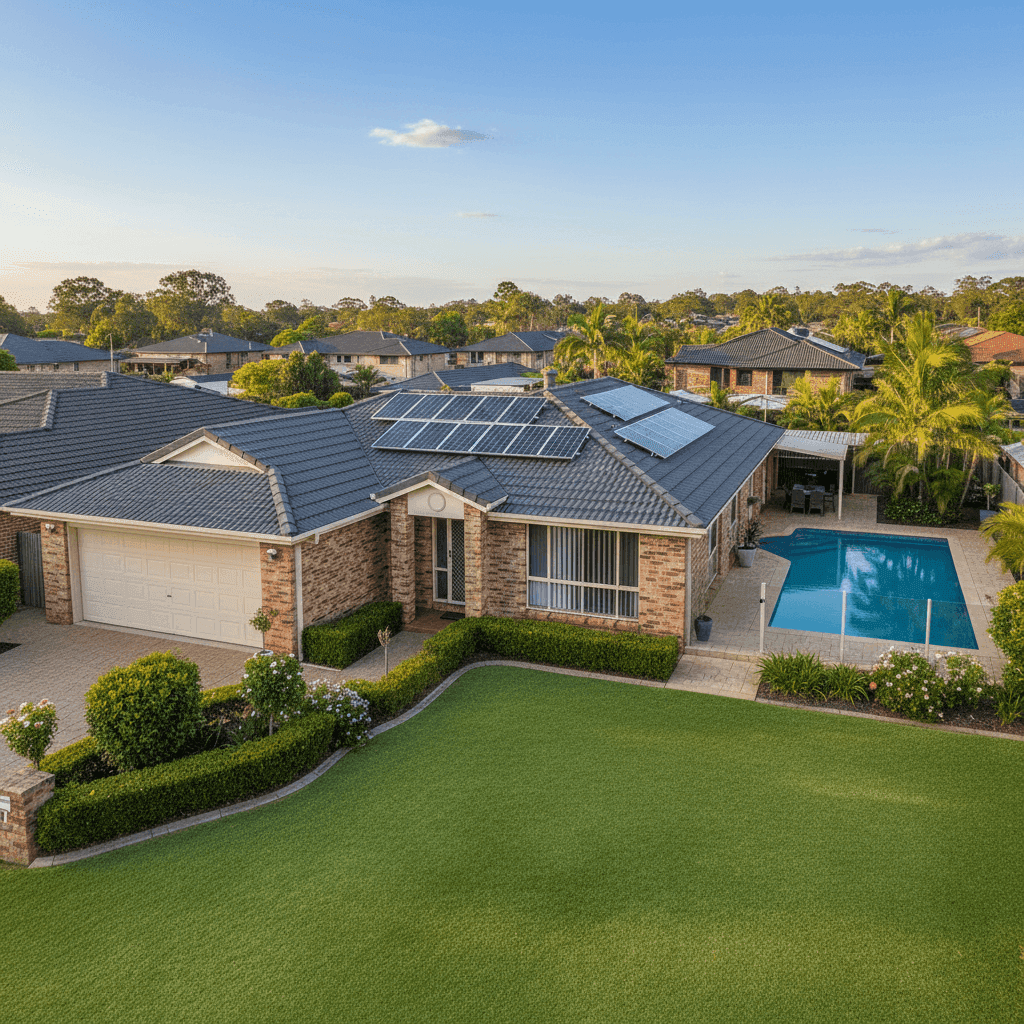
If you own a free standing home in Parkwood, QLD 4214, you've probably wondered whether you're paying too much — or too little — for your home and contents insurance. Parkwood sits in the heart of the Gold Coast, a region known for its lifestyle appeal but also its exposure to severe weather events that can push insurance premiums well above the national average. This article breaks down a real home insurance quote for a four-bedroom, brick veneer property in the suburb, and puts the numbers in context so you can make a more informed decision at renewal time.
---
Is This Quote Fair?
The quote in question comes in at $1,697 per year (or $156 per month) for a combined home and contents policy, covering a building sum insured of $735,000 and contents valued at $50,000. The building excess is $3,000, and the contents excess is $1,000.
Our price rating for this quote is CHEAP — below average — and the data backs that up convincingly.
Compared to the suburb average of $3,769 per year, this quote is saving the homeowner roughly $2,072 annually. Even against the suburb's 25th percentile — meaning only one in four Parkwood quotes come in cheaper — the going rate is $2,399 per year, still significantly higher than this result. In other words, this quote sits below what even the most competitively priced quarter of the local market is typically paying.
That's a meaningful saving, and it underscores why shopping around — rather than simply auto-renewing — can make a real difference to your household budget.
---
How Parkwood Compares
To understand just how well this quote performs, it helps to zoom out and look at the broader picture.
| Benchmark | Annual Premium |
|---|---|
| This Quote | $1,697 |
| Parkwood 25th Percentile | $2,399 |
| Parkwood Suburb Median | $3,215 |
| Parkwood Suburb Average | $3,769 |
| Parkwood 75th Percentile | $5,543 |
| QLD State Average | $4,547 |
| QLD State Median | $3,931 |
| Gold Coast LGA Average | $5,494 |
| National Average | $2,965 |
| National Median | $2,716 |
A few things stand out here. First, Parkwood — and the Gold Coast LGA more broadly — is a genuinely expensive insurance market. The local government area average of $5,494 per year is nearly double the national average of $2,965, reflecting the elevated risk profile of South East Queensland properties. Flood corridors, storm surge exposure, and the general intensity of Queensland weather events all contribute to that premium loading.
Second, Queensland as a state is also well above the national benchmark. The QLD state average of $4,547 per year is 53% higher than the national figure, which tells you that living in this state comes with a structural insurance cost that many interstate homeowners simply don't face.
Against all of these benchmarks, a quote of $1,697 is a standout result. It's 55% below the Parkwood suburb average, 63% below the Gold Coast LGA average, and even sits well beneath the national average. Based on 54 quotes collected for the Parkwood area, this result is genuinely rare.
---
Property Features That Affect Your Premium
Several characteristics of this property likely contribute to its favourable premium outcome.
Brick Veneer Construction Brick veneer walls are generally viewed positively by insurers. They offer solid fire resistance and structural integrity compared to lightweight cladding materials, which can translate into lower risk assessments and more competitive pricing.
Tiled Roof A tiled roof is another feature that tends to attract better rates. Tiles are durable, fire-resistant, and perform well in storm conditions — all factors that reduce an insurer's expected claims exposure compared to, say, older corrugated iron roofing.
Slab Foundation A concrete slab foundation is a stable, low-risk base type that insurers typically view favourably. It reduces concerns around subsidence, termite damage pathways, and underfloor moisture — all of which can complicate claims.
Swimming Pool Pools add complexity to a home insurance policy. They increase the replacement cost of the property and can introduce liability considerations. Homeowners with pools should ensure their sum insured accurately accounts for the pool structure and any associated equipment.
Solar Panels Solar panels are an increasingly common feature on Australian homes, and they do affect insurance. Panels add to the replacement value of the building and can be damaged by hail or storm events. It's worth confirming with your insurer that your solar system is explicitly covered under your building policy — not all policies include it automatically.
Year Built: 2000 A home built in 2000 sits in a comfortable middle ground — modern enough to meet contemporary building codes, but old enough that some components (roof tiles, guttering, hot water systems) may be approaching the end of their service life. Keeping up with maintenance is important not just for the home itself, but to avoid claim complications.
No Cyclone Risk Area Despite being in Queensland, Parkwood is not classified as a cyclone risk area. This is a significant premium factor — cyclone-rated properties in North Queensland, for example, can attract enormous loadings. The absence of this risk classification is one reason Gold Coast premiums, while high, don't reach the extremes seen further north.
---
Tips for Homeowners in Parkwood
1. Don't Let Your Policy Auto-Renew Without Checking The spread between the cheapest and most expensive quotes in Parkwood is enormous — from under $2,400 at the 25th percentile to over $5,500 at the 75th. That's a $3,000+ difference for comparable properties. Reviewing your policy annually and comparing quotes takes minutes and can save thousands.
2. Review Your Sum Insured Regularly Construction costs in South East Queensland have risen sharply in recent years. A sum insured that was adequate in 2020 may no longer cover full rebuilding costs today. Underinsurance is one of the most common and costly mistakes homeowners make — if your building is insured for less than it would cost to rebuild, you may only receive a proportional payout in the event of a total loss.
3. Confirm Solar Panels and Pool Equipment Are Covered With both a pool and solar panels on this property, it's essential to read the fine print. Some insurers treat solar panels as a building fixture (covered), while others require a specific endorsement. Pool equipment — pumps, filters, heating systems — may or may not be included. Ask your insurer directly and get it in writing.
4. Maintain Storm Readiness The Gold Coast experiences intense summer storm seasons. Insurers can and do decline claims where damage is attributed to poor maintenance — blocked gutters, loose roof tiles, or deteriorating seals around skylights. A pre-season check of your roof and drainage can protect both your home and your ability to claim.
---
Compare Your Own Quote
Whether you're renewing soon or just curious about where you stand, CoverClub makes it easy to see how your current premium stacks up. You can explore Parkwood suburb insurance data, browse Queensland-wide trends, or get a personalised quote in minutes. With premiums varying so dramatically across the Gold Coast, a quick comparison could be one of the most valuable things you do this year.