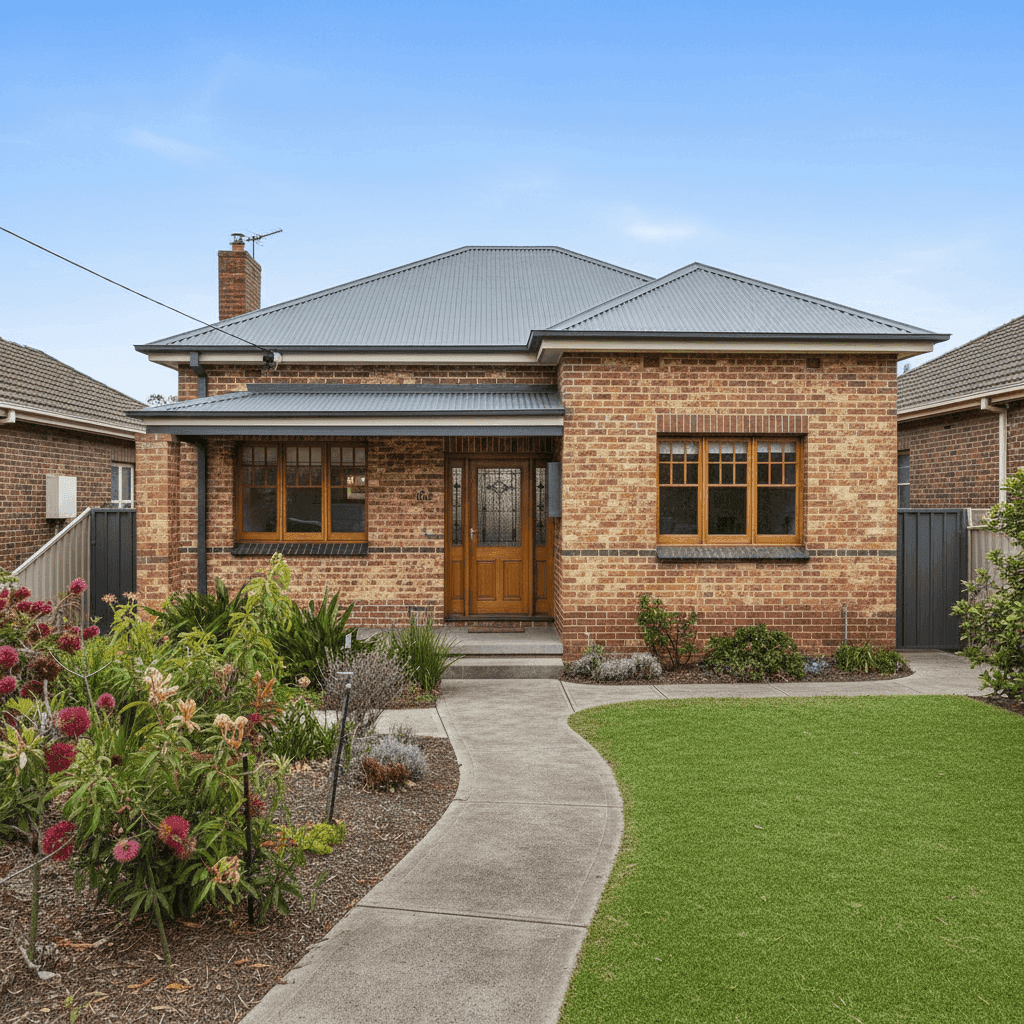
If you own a freestanding home in Parramatta, NSW 2150, you're sitting in one of Greater Sydney's most dynamic and historically rich suburbs. With its mix of Federation-era homes, post-war brick cottages, and modern infill development, Parramatta presents an interesting landscape for home insurance — and premiums can vary enormously depending on your property's age, construction, and the insurer you choose.
This article breaks down a recent building insurance quote for a 3-bedroom, double brick freestanding home in Parramatta, helping you understand whether the price stacks up and what factors are driving the cost.
---
Is This Quote Fair?
The quote in question comes in at $2,528 per year (or $242/month) for building-only cover, with a $1,000 excess and a sum insured of $806,000. Our analysis rates this as FAIR — around average for the area.
That "fair" rating is worth unpacking. In Parramatta, insurance premiums are notoriously spread across a wide range. The suburb's 25th percentile sits at just $1,067/yr, while the 75th percentile jumps to $24,691/yr — a staggering gap that reflects both the diversity of properties in the area and the significant variation between insurers. At $2,528/yr, this quote lands well below the suburb average of $14,034/yr and the suburb median of $16,838/yr, which on the surface looks very competitive.
However, it's important to remember that averages in a small sample can be skewed. The suburb data here is drawn from 13 quotes, which is a relatively modest sample size. A handful of high-premium outliers can pull the average up considerably, so the median is often a more reliable benchmark — and at $16,838/yr, the median makes this quote look even more attractive.
That said, "fair" rather than "great" suggests there may still be room to find a sharper price. It's always worth comparing multiple insurers before committing.
---
How Parramatta Compares
Understanding where Parramatta sits relative to broader benchmarks gives useful context for any quote you receive. Here's a snapshot:
| Benchmark | Average Premium | Median Premium |
|---|---|---|
| Parramatta (LGA) | $2,031/yr | — |
| Parramatta suburb (2150) | $14,034/yr | $16,838/yr |
| NSW | $9,528/yr | $3,770/yr |
| National | $5,347/yr | $2,764/yr |
A few things stand out here. The NSW state average of $9,528/yr is considerably higher than the national median of $2,764/yr, reflecting the elevated risk and property values across much of New South Wales — particularly in Greater Sydney. Flood-prone areas, storm exposure, and high rebuild costs all contribute to NSW premiums sitting above the national norm.
At the LGA level, the Parramatta council area average of $2,031/yr is notably lower than the suburb-level figures, suggesting that other parts of the Parramatta LGA may attract more competitive premiums than the 2150 postcode specifically.
For deeper suburb-level data, visit the Parramatta insurance stats page, or compare against NSW state averages and national benchmarks.
---
Property Features That Affect Your Premium
Every home tells its own insurance story. For this particular property, several characteristics are worth noting:
Double Brick Construction Built in 1937, this home features double brick external walls — a construction type that insurers generally view favourably. Double brick is robust, fire-resistant, and highly durable. Compared to timber-framed or clad homes of a similar era, double brick properties often attract lower premiums due to their structural resilience.
Steel/Colorbond Roof The Colorbond roof is another positive signal for insurers. Unlike older terracotta or slate tiles, Colorbond is lightweight, resistant to corrosion, and performs well in storm conditions. It's also less prone to the cracking and displacement that can affect tiled roofs as they age, reducing the likelihood of weather-related claims.
Stump Foundation Homes on stumps are common in older Sydney suburbs and can be a mixed factor for insurers. On the positive side, stumps allow for good subfloor ventilation and make it easier to inspect and repair underfloor plumbing. However, they can introduce movement risk over time, particularly if stumps have deteriorated or if the soil conditions are variable.
Timber and Laminate Flooring Timber floors in older homes add character but can be more susceptible to water damage than tiles or concrete. This may be a minor factor in premium calculations, particularly for insurers assessing escape-of-liquid risk.
Above Average Fittings Quality The above-average fittings rating reflects higher-quality fixtures and finishes throughout the home. This contributes to the $806,000 sum insured and ensures that in the event of a claim, like-for-like replacement of quality fittings is covered — rather than being underinsured with a lower sum.
Ducted Climate Control The presence of ducted climate control adds to the replacement value of the home and is factored into the sum insured. It's a common feature in homes of this calibre and is correctly included in the building cover calculation.
---
Tips for Homeowners in Parramatta
1. Review your sum insured regularly Construction costs in Western Sydney have risen sharply in recent years. A sum insured of $806,000 for a 130 sqm home with above-average fittings seems reasonable, but it's worth recalculating annually using a building cost estimator to avoid underinsurance — especially given the age and character of this property.
2. Consider a higher excess to reduce your premium The current excess is set at $1,000. If you have a financial buffer and rarely make small claims, opting for a $2,000 or higher excess can meaningfully reduce your annual premium. Just ensure you could comfortably cover the excess if you needed to make a claim.
3. Don't overlook flood and storm cover Parts of Parramatta sit near the Parramatta River and are subject to periodic flooding. Confirm that your policy includes flood cover — not just storm damage — as these are often treated separately. If your property is in a lower-lying area, this distinction matters enormously.
4. Compare quotes before renewal Loyalty doesn't always pay in home insurance. Insurers frequently offer better rates to new customers than to those who auto-renew. Using a comparison tool at renewal time — even if you ultimately stick with your current insurer — ensures you're not quietly overpaying year after year.
---
Ready to Compare?
Whether you're reviewing an existing policy or shopping for cover on a new purchase, comparing quotes is the single most effective way to ensure you're getting fair value. Head to CoverClub to enter your property details and see how your premium measures up across multiple insurers — in minutes, not hours.