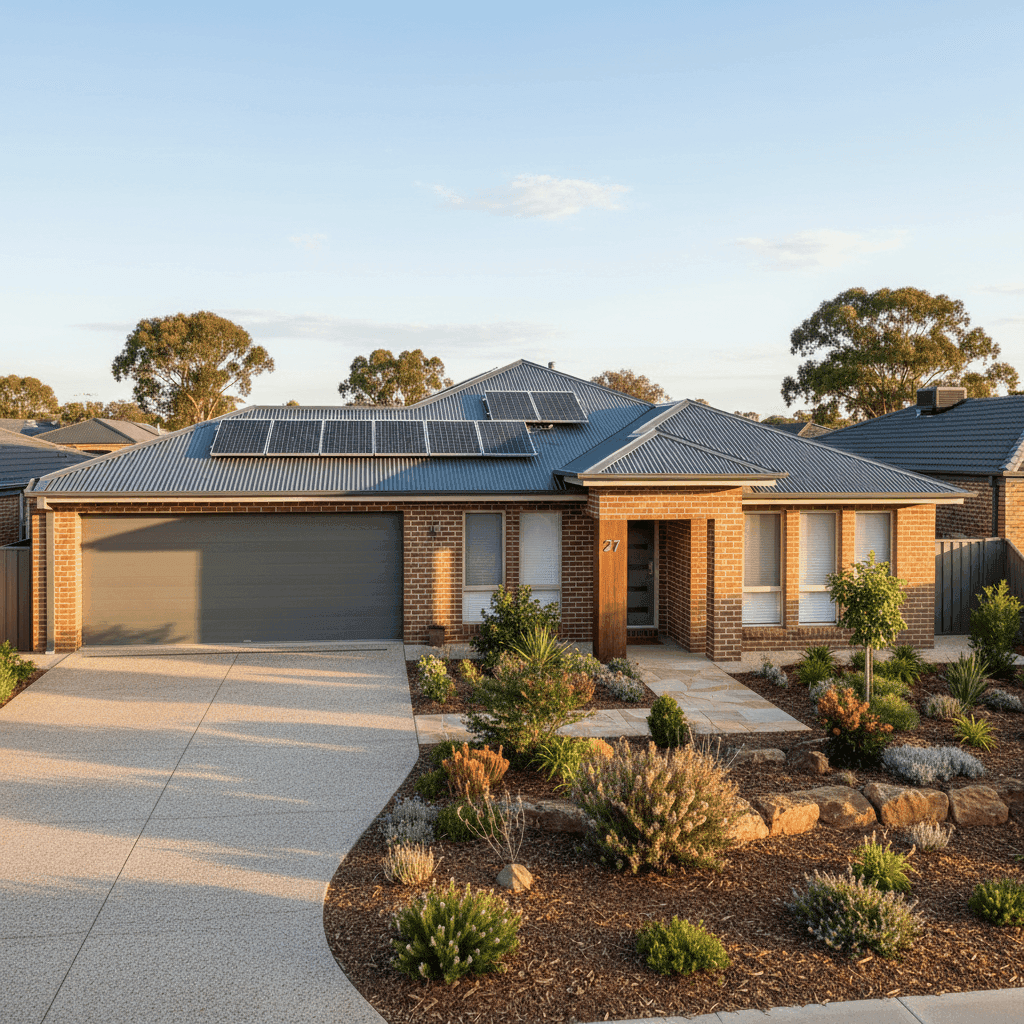
If you own a four-bedroom free standing home in Pasadena, SA 5042, you're likely curious about whether you're paying a fair price for home and contents insurance — or leaving money on the table. Pasadena is a well-established residential suburb in the City of Marion, sitting about 10 kilometres south of Adelaide's CBD. It's a popular choice for families, with solid brick homes, tree-lined streets, and good access to schools and amenities. All of those factors play into how insurers assess your risk and price your cover.
This article breaks down a real home and contents insurance quote for a four-bedroom, two-bathroom free standing home in Pasadena, examines how it compares to local, state, and national benchmarks, and offers practical tips to help you get the best value on your policy.
---
Is This Quote Fair?
The quote in question comes in at $1,266 per year (or $123 per month) for combined home and contents cover, with a building sum insured of $603,000 and contents valued at $200,000. The building excess is $3,000 and the contents excess is $1,000.
Our price rating for this quote is CHEAP — Below Average, which is good news for the homeowner. To put that in perspective:
- The LGA (Marion) average premium is $1,550/yr — this quote sits $284 below that figure.
- The SA state average is $1,933/yr — a saving of $667 per year.
- The national average sits at $2,965/yr — meaning this quote is roughly 57% cheaper than the typical Australian home insurance premium.
Even measured against the more conservative state median of $1,787/yr and the national median of $2,716/yr, this quote represents genuinely competitive pricing. Homeowners in Pasadena who are currently paying closer to the state or national average should take note — there may be meaningful savings available by comparing policies.
---
How Pasadena Compares
Understanding where Pasadena sits in the broader insurance landscape helps contextualise why this quote is priced the way it is. You can explore detailed local data on the Pasadena suburb insurance stats page, or browse SA-wide insurance trends for a broader picture.
South Australia generally benefits from a relatively benign natural hazard profile compared to states like Queensland or Northern Territory, where cyclone, flood, and storm surge risks push premiums significantly higher. That's reflected in the national insurance statistics, where the average premium of $2,965/yr is almost $1,000 more than what SA homeowners typically pay.
Within SA, the City of Marion — which encompasses Pasadena — tends to attract moderate premiums. The suburb is not in a designated cyclone risk zone, sits away from major flood plains, and has a well-maintained urban infrastructure. These factors collectively contribute to a lower risk profile, which insurers reward with more competitive pricing.
---
Property Features That Affect Your Premium
Every property is different, and insurers assess a range of physical characteristics when calculating your premium. Here's how the features of this particular home influence its price:
Brick Veneer Walls Brick veneer is one of the most common external wall materials in Australian suburban homes, and insurers generally view it favourably. It offers good fire resistance and structural durability, which can help keep premiums in check compared to timber-framed or weatherboard exteriors.
Steel / Colorbond Roof A Colorbond steel roof is another positive from an insurance perspective. It's highly resistant to fire, doesn't rot or warp, and performs well in high-wind events. Compared to older terracotta or concrete tile roofs, Colorbond is considered a lower-risk roofing material.
Slab Foundation A concrete slab foundation is standard for homes of this era and construction type. It's generally considered stable and low-maintenance, reducing the likelihood of subsidence or structural movement claims.
Timber / Laminate Flooring Flooring type can influence contents and building claims, particularly in water damage scenarios. Timber and laminate floors can be more susceptible to water damage than tiles, which is worth keeping in mind when setting your sum insured and excess levels.
Solar Panels This property has solar panels installed. While solar panels add value to the home, they also need to be factored into your building sum insured. Many homeowners forget to include the replacement cost of their solar system when calculating their insured value — an oversight that can lead to being underinsured.
Ducted Climate Control Ducted air conditioning systems are a significant fixed asset and should be included in your building sum insured. At standard quality fittings, the replacement cost is meaningful and worth confirming is adequately covered under your policy.
Building Size: 235 sqm At 235 square metres, this is a mid-to-large family home. Building sum insured is calculated based on rebuild cost — not market value — and at $603,000, this equates to roughly $2,566 per square metre, which is a reasonable estimate for a brick veneer home in metropolitan Adelaide in 2026.
---
Tips for Homeowners in Pasadena
1. Review your building sum insured annually Construction costs have risen significantly in recent years. If your sum insured hasn't been updated to reflect current rebuild costs — including materials, labour, and features like solar panels and ducted air conditioning — you could be underinsured. Use an online building calculator or speak with a quantity surveyor if you're unsure.
2. Consider your excess carefully This quote carries a $3,000 building excess and a $1,000 contents excess. Opting for a higher excess is a common way to lower your premium, but make sure you can comfortably cover that amount out of pocket if you need to make a claim. A lower excess might be worth the slightly higher premium for peace of mind.
3. Bundle your home and contents cover This quote already combines home and contents insurance, which typically attracts a discount compared to taking out two separate policies. If you're currently insuring your building and contents with different providers, consolidating could save you money.
4. Compare quotes at renewal time Insurance loyalty doesn't always pay. Premiums can vary significantly between providers for the same level of cover, and insurers often offer better rates to new customers. Make it a habit to compare quotes each year before your renewal date — even if you're happy with your current insurer.
---
Ready to Compare Home Insurance in Pasadena?
Whether you're a first-time buyer or a long-term Pasadena resident, making sure you have the right cover at the right price is worth the effort. CoverClub makes it easy to compare home and contents insurance quotes from a range of Australian insurers in one place.
Get a home insurance quote for your Pasadena property today and see how your current premium stacks up.