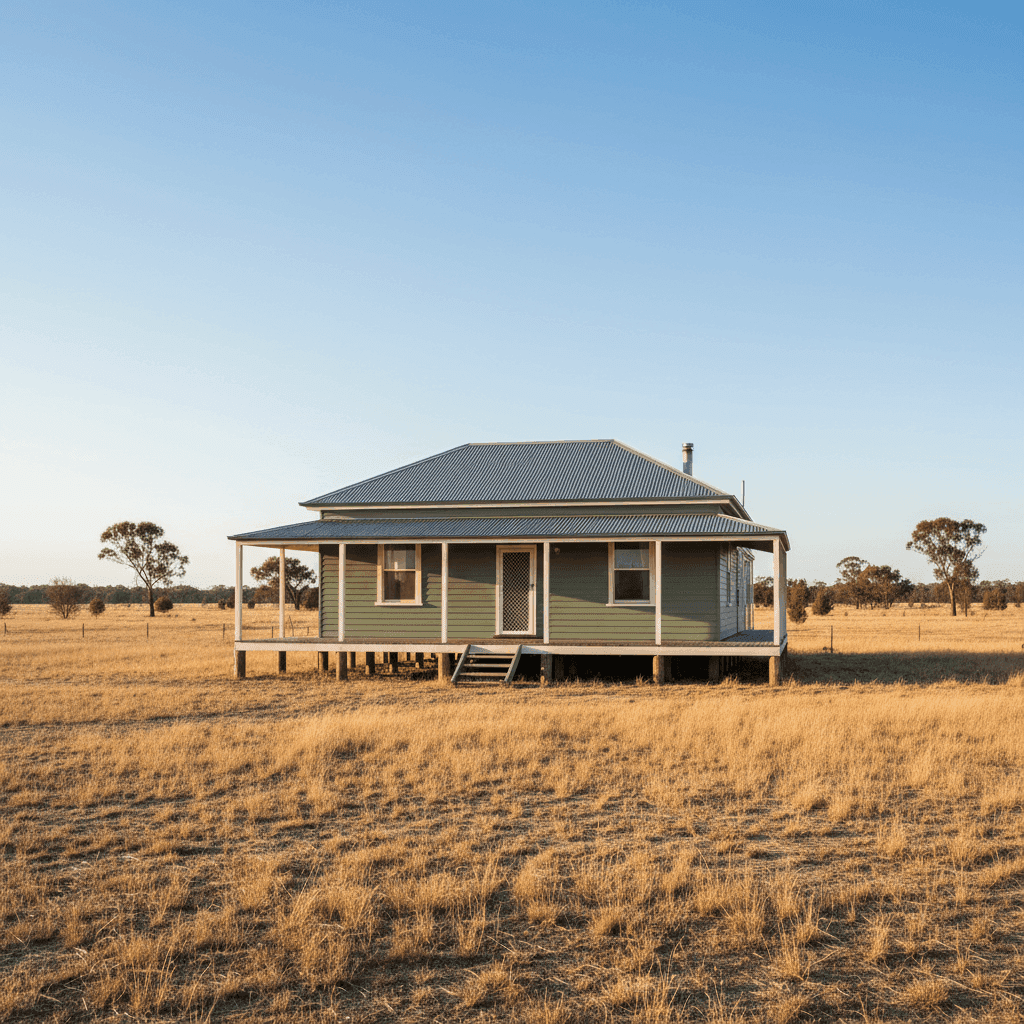
Patchewollock is a small rural township in Victoria's Mallee region, sitting within the Mildura Local Government Area. It's the kind of place where wide open skies meet flat, dry farmland — and where home insurance can tell a surprisingly complex story. This article takes a close look at a recent home and contents insurance quote for a three-bedroom, free-standing home in Patchewollock (VIC 3491), unpacking what's driving the premium and what local homeowners can do about it.
---
Is This Quote Fair?
The short answer: this quote is expensive. At $13,530 per year (or $1,297 per month), this home and contents policy sits well above both state and national benchmarks — and that warrants a closer look.
To put it in perspective, the Victorian state average for home insurance sits at around $3,000 per year, with a median of $2,718. Even at the national level, where premiums tend to be pulled upward by high-risk coastal and cyclone-prone areas, the average is $5,347 and the median just $2,764. This quote is more than four times the Victorian average and more than double the national average — a significant gap that deserves explanation.
It's worth noting that a sum insured of $405,000 for the building and $40,000 for contents is on the moderate-to-standard end for a 130 sqm home, so the coverage amounts alone don't fully account for the pricing disparity. The premium is being driven by a combination of property-specific risk factors and the characteristics of the local area.
---
How Patchewollock Compares
Without suburb-level comparison data available, we can draw on the broader Mildura LGA and state figures to frame this quote. Here's how the numbers stack up:
| Benchmark | Annual Premium |
|---|---|
| This Quote | $13,530 |
| Mildura LGA Average | $2,605 |
| VIC State Average | $3,000 |
| VIC State Median | $2,718 |
| National Average | $5,347 |
| National Median | $2,764 |
The Mildura LGA average of $2,605 is actually below the state average, suggesting that broadly speaking, properties in this region aren't considered especially high-risk by insurers on average. Yet this particular quote lands at more than five times the LGA average — which points strongly to property-specific risk factors rather than location alone.
You can explore more localised data for Patchewollock and surrounding postcodes here.
---
Property Features That Affect Your Premium
Several characteristics of this property are likely contributing to the elevated premium. Understanding these factors can help homeowners make informed decisions about their coverage and their home.
Weatherboard Timber Construction
The external walls are weatherboard wood — a classic material found throughout rural Victoria, particularly in homes built in the mid-twentieth century. While weatherboard homes have undeniable charm, timber is more susceptible to fire, rot, and pest damage than brick or rendered masonry. Insurers typically price timber-clad homes at a higher rate, especially in dry inland regions where fire risk is elevated.
Age of the Property
Built in 1968, this home is over 55 years old. Older properties carry higher underwriting risk due to ageing electrical wiring, plumbing, and structural components that may not meet current building standards. Insurers factor this in when calculating replacement costs and the likelihood of a claim.
Stump Foundation
The home sits on stumps, which is common for homes of this era in rural Victoria. While stumps allow for ventilation and are well-suited to certain soil types, they can be more vulnerable to movement, pest ingress (particularly termites), and structural deterioration over time — all of which influence premium calculations.
Steel/Colorbond Roof
On a more positive note, the steel Colorbond roof is generally viewed favourably by insurers. It's durable, fire-resistant, and low-maintenance compared to older roofing materials like terracotta tiles or corrugated iron in poor condition. This may be providing some offset against other risk factors.
Rural Location and Fire Risk
Patchewollock sits in the Mallee — a region characterised by dry scrubland, low annual rainfall, and hot summers. These conditions contribute to a higher bushfire and grassfire risk, which is a significant pricing factor for insurers operating in regional Victoria. Even without a formal cyclone risk designation, the fire risk profile of the area is likely a key driver of the premium.
Building Size and Sum Insured
At 130 sqm with a building sum insured of $405,000, the rebuild cost per square metre works out to approximately $3,115 — which is broadly in line with current construction costs for regional Victoria when factoring in the cost of bringing trades to a remote location.
---
Tips for Homeowners in Patchewollock
If you're a homeowner in Patchewollock facing a premium like this, there are practical steps you can take to manage your costs without compromising your protection.
1. Shop Around and Compare Multiple Quotes
This is the single most impactful thing you can do. Premium variation between insurers for the same property can be dramatic — sometimes thousands of dollars. Use a comparison platform like CoverClub to get multiple quotes side by side and identify the best value policy for your situation.
2. Review Your Sum Insured Carefully
Make sure your building sum insured reflects the actual cost to rebuild — not the market value of the property. In rural areas, land value is often low but construction costs can be high due to remoteness. An independent building valuation can help you avoid both underinsurance and unnecessary over-insurance.
3. Invest in Fire Mitigation Measures
Given the fire risk profile of the Mallee region, insurers may look more favourably on properties with active fire mitigation in place. This can include maintaining a cleared ember guard zone around the home, installing metal fly screens and seals on vents, and ensuring gutters are regularly cleared. Some insurers offer discounts for documented fire-preparedness measures.
4. Consider a Higher Excess
Both the building and contents excess on this policy are set at $1,000. Opting for a higher voluntary excess — say $2,500 or $5,000 — can meaningfully reduce your annual premium. This strategy works best if you have the financial buffer to cover a larger out-of-pocket cost in the event of a claim, and if you're primarily seeking coverage for major, catastrophic events rather than minor repairs.
---
Ready to Find a Better Deal?
A premium of $13,530 is a significant household expense — and there's a real chance you could find comparable cover for less. CoverClub makes it easy to compare home and contents insurance quotes from multiple Australian insurers in one place. Whether you're insuring a weatherboard classic in the Mallee or a modern build in the suburbs, getting a second opinion on your premium costs nothing and could save you thousands.
Compare home insurance quotes for your Patchewollock property today →