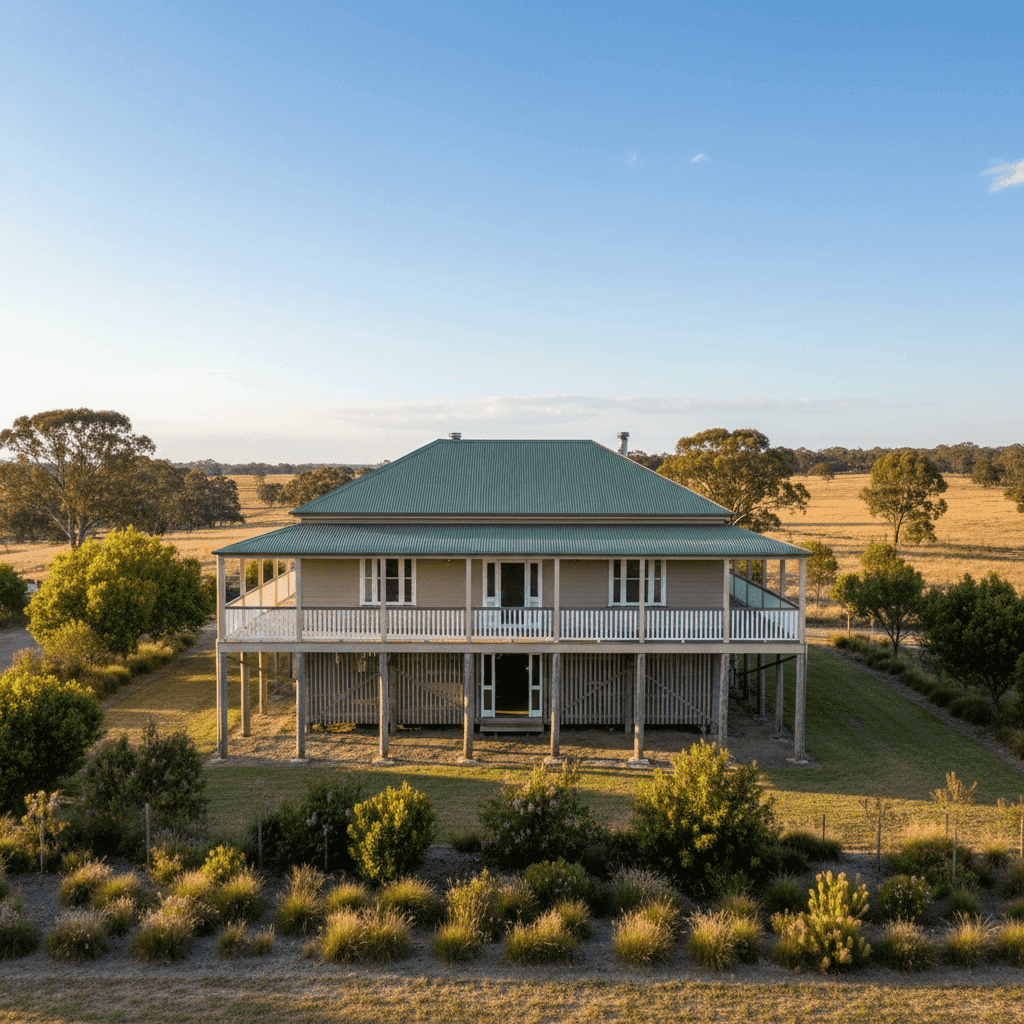
If you own a free standing home in Patho, VIC 3564, you're likely no stranger to the practicalities of rural Victorian living — wide open spaces, a tight-knit community, and the occasional weather event that reminds you why home insurance matters. In this article, we break down a real home and contents insurance quote for a four-bedroom weatherboard home in Patho, compare it against Victorian and national benchmarks, and share some practical tips to help you get the best value from your policy.
---
Is This Quote Fair?
The quote in question comes in at $3,018 per year (or $270 per month) for a combined home and contents policy, covering a building sum insured of $696,000 and contents valued at $98,000. Both the building and contents excess are set at $1,000.
Our price rating for this quote is FAIR — Around Average, and that assessment holds up well when you look at the numbers in context. The premium sits just $18 above the Victorian state average of $3,000 per year, which is remarkably close. It's also noticeably higher than the Victorian median of $2,718 — meaning roughly half of comparable Victorian policyholders are paying less — but the gap isn't dramatic enough to suggest the quote is overpriced.
One important factor to keep in mind: the sum insured of $696,000 is a meaningful figure. Rebuilding a 214 sqm home with quality finishes in regional Victoria isn't cheap, and a higher sum insured naturally pushes the premium upward. When you account for the coverage level, this quote represents reasonable value.
---
How Patho Compares
While suburb-level data for Patho isn't yet available in our database, we can draw useful comparisons from the broader regional and national picture. Here's how this quote stacks up:
| Benchmark | Annual Premium |
|---|---|
| This Quote | $3,018 |
| LGA (Campaspe) Average | $2,979 |
| VIC State Average | $3,000 |
| VIC State Median | $2,718 |
| National Average | $5,347 |
| National Median | $2,764 |
A few things stand out here. First, the quote is almost perfectly aligned with both the Campaspe LGA average ($2,979) and the Victorian state average ($3,000) — a strong signal that the pricing is well-calibrated for this region. Second, and perhaps most strikingly, this quote is significantly below the national average of $5,347, sitting at roughly 56% of that figure. Homeowners in coastal and cyclone-prone areas of Queensland, Western Australia, and the Northern Territory tend to drive that national average up considerably, so Patho's inland Victorian location works in your favour here.
You can explore more detailed pricing data for the region at our Patho suburb stats page, or take a broader look at Victorian home insurance averages and national benchmarks.
---
Property Features That Affect Your Premium
Every home is different, and insurers weigh up a range of property characteristics when calculating your premium. Here's how the features of this particular property likely influence what you pay:
Weatherboard Timber Walls
Weatherboard construction is common across regional Victoria, but it does carry a higher fire risk than brick veneer or full brick homes. Timber can also be more susceptible to rot, pest damage, and storm impact. Insurers typically price this in, so it's worth ensuring your sum insured reflects the true cost of rebuilding with like-for-like materials.
Steel / Colorbond Roof
This is a positive from an insurance perspective. Colorbond roofing is durable, low-maintenance, and performs well in high-wind conditions. It's also non-combustible, which can offset some of the fire risk associated with timber-framed walls. Compared to older terracotta or asbestos roofing materials, Colorbond is generally viewed favourably by underwriters.
Elevated on Stumps (At Least 1 Metre)
Being elevated by at least one metre on stumps is a notable feature — and one with real insurance implications. On the upside, elevation provides excellent protection against surface flooding, which is a genuine risk in parts of the Campaspe region. On the downside, elevated homes can be more exposed to wind damage, and the subfloor space requires its own maintenance considerations. Overall, the flood mitigation benefit is significant in this area.
Tiled Flooring
Tiles are a practical and durable choice for regional homes and are generally viewed neutrally by insurers. They're resistant to water damage and easier to replace than hardwood timber floors, which can be a cost advantage at claim time.
Built in 2003
A home built in 2003 benefits from construction standards that are more modern than older stock, including improved structural requirements. It's not brand new, but it's not aging infrastructure either — a comfortable middle ground that shouldn't attract any age-related loading on your premium.
Standard Fittings Quality
Standard fittings mean the cost to repair or replace fixtures and finishes is predictable and moderate. High-end or bespoke fittings can significantly increase rebuild costs, so the standard rating here helps keep the sum insured — and the premium — grounded.
---
Tips for Homeowners in Patho
Whether you're reviewing an existing policy or shopping around for the first time, these tips are worth keeping in mind:
1. Review your sum insured annually Building costs in regional Victoria have risen considerably in recent years. A sum insured that was accurate in 2021 may now fall short of what it would actually cost to rebuild your home. Use a building cost calculator or speak with a local builder to sense-check your coverage figure each year.
2. Consider the value of your excess Both the building and contents excess on this policy are set at $1,000. Opting for a higher excess — say, $2,000 — can reduce your annual premium, but make sure it's an amount you could genuinely afford to pay out of pocket in the event of a claim. Find the balance that works for your financial situation.
3. Maintain your weatherboard cladding Timber weatherboards require regular painting and sealing to prevent moisture ingress and pest damage. Keeping your home well-maintained not only protects the structure but also ensures you won't face complications if you need to make a claim related to gradual deterioration (which most policies exclude).
4. Check your contents coverage carefully With $98,000 in contents cover, it's worth doing a room-by-room audit of your possessions every couple of years. Furniture, appliances, tools, clothing, and electronics add up quickly — and many homeowners find they're underinsured when they actually sit down and tally everything up.
---
Ready to Compare?
A fair quote is a good start, but it's not always the best available. The only way to know for certain is to compare. At CoverClub, we make it easy to see how your current premium stacks up and whether there's a better deal waiting for you. Get a home insurance quote today and find out what Patho homeowners are actually paying in 2026.