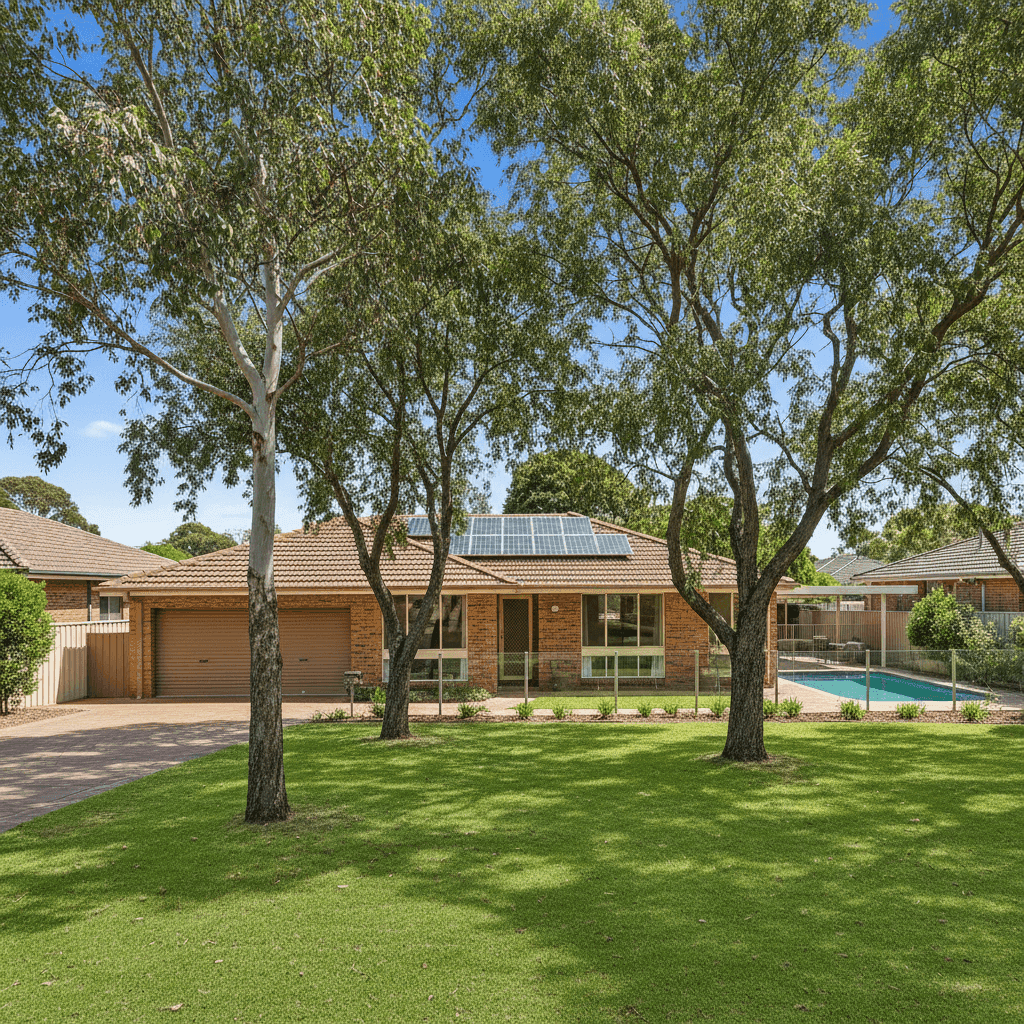
If you own a free standing home in Payneham South, SA 5070, you're likely well aware that home insurance is one of the more significant ongoing costs of property ownership. This leafy inner-eastern suburb of Adelaide sits within the Norwood Payneham and St Peters local government area — a tightly held, well-established part of the city where older homes with genuine character are the norm. But character comes with complexity, and that complexity can have a real impact on what you pay for cover.
We recently analysed a Home and Contents insurance quote for a four-bedroom, two-bathroom free standing home in Payneham South. The annual premium came in at $2,566 (or $251/month), with a building sum insured of $1,150,000 and contents covered at $120,000. Both the building and contents excess are set at $1,000. Here's what that figure actually means in context.
---
Is This Quote Fair?
Our pricing analysis rates this quote as Expensive (Above Average) — and the numbers back that up.
Compared to the South Australian state average of $1,933/year (median: $1,787/year), this premium sits roughly 33% higher. That's a meaningful gap. However, it's worth noting that this policy carries a substantial building sum insured of $1.15 million, which is on the higher end and will naturally push the premium upward.
When stacked against national figures — where the average home and contents premium is $2,965/year and the median is $2,716/year — this quote actually looks more competitive. It comes in below both the national average and median, which is a reasonable outcome for a well-built, established suburban property.
Within the Norwood Payneham and St Peters LGA, the average premium is $2,027/year, meaning this quote is around $539 above the local benchmark. That said, averages include a wide range of property types, sizes, and sum insured values — so direct comparisons should always be taken with a grain of salt.
The bottom line: while this quote is above average for South Australia, it's not out of step with what you'd expect given the property's size, age, features, and the level of cover selected.
---
How Payneham South Compares
Here's a quick snapshot of where this quote sits relative to broader benchmarks:
| Benchmark | Annual Premium |
|---|---|
| This Quote | $2,566 |
| Norwood Payneham & St Peters LGA Average | $2,027 |
| SA State Average | $1,933 |
| SA State Median | $1,787 |
| National Average | $2,965 |
| National Median | $2,716 |
Payneham South is an inner-suburban location with relatively low exposure to natural catastrophe risks such as cyclones or flooding compared to many other parts of Australia. This generally works in homeowners' favour from a risk-pricing perspective. The suburb's position within a well-serviced metropolitan area also means emergency response times are typically strong — another factor that insurers can weigh positively.
For a deeper look at how premiums in this postcode stack up, visit the Payneham South suburb stats page.
---
Property Features That Affect Your Premium
Several characteristics of this particular property have a direct bearing on the premium quoted. Understanding these can help you make more informed decisions when reviewing or renewing your cover.
Double Brick Construction
Built in 1970, this home features double brick external walls — a construction type that's both a blessing and a complication. On the positive side, double brick is highly durable, fire-resistant, and thermally efficient. However, it's also expensive to repair or rebuild, which supports the higher building sum insured and, in turn, the premium.
Tiled Roof
A tiled roof is generally regarded favourably by insurers. Tiles are durable, long-lasting, and perform well in most weather conditions. Compared to older corrugated iron or flat roofing, tiles typically attract lower risk ratings.
Stump Foundation
The home sits on stumps, which is common for older South Australian properties. Stump foundations can be susceptible to movement over time — particularly in areas with reactive clay soils — and may require periodic re-stumping. Insurers are aware of this and may factor foundation type into their risk assessment.
Timber and Laminate Flooring
Timber and laminate flooring is classified as above-average in terms of fittings quality, which aligns with this property's overall "above average" fittings rating. Higher-quality internal finishes increase the cost of reinstatement, which flows through to both the building sum insured and the premium.
Swimming Pool
A pool adds both value and liability to a property. From an insurance standpoint, pools can increase the contents or liability component of a policy, and some insurers may apply loadings or exclusions depending on pool type and fencing compliance.
Solar Panels
Solar panels are an increasingly common feature on Australian homes, but they do add to the replacement cost of a property. Panels are typically covered under building insurance, and their presence contributes to the overall sum insured calculation.
Ducted Climate Control
A ducted climate control system is a significant fixed asset within the home. As part of the building sum insured, the cost of replacing a ducted system in the event of a total loss is factored into the $1.15 million coverage figure.
---
Tips for Homeowners in Payneham South
Whether you're reviewing an existing policy or shopping around for the first time, here are some practical steps worth taking:
- Review your building sum insured carefully. A sum insured of $1,150,000 for a 139 sqm home is on the higher end. Make sure this figure reflects the actual cost of rebuilding — not the market value of the land. Overinsuring drives up premiums unnecessarily, while underinsuring can leave you exposed. Use a qualified quantity surveyor or your insurer's calculator to validate the figure.
- Ask about discounts for security and safety features. Homes with monitored alarm systems, deadbolts, and compliant pool fencing may be eligible for premium reductions with some insurers. It's always worth asking.
- Consider your excess strategically. Both the building and contents excess on this policy are set at $1,000. Opting for a higher voluntary excess (say, $2,500 or $5,000) can meaningfully reduce your annual premium — provided you're comfortable covering smaller claims out of pocket.
- Don't set-and-forget your policy. Older homes like this one can change significantly over time — renovations, updated solar systems, new appliances, and flooring upgrades all affect reinstatement costs. Review your sum insured and contents value at each renewal to ensure you remain adequately covered.
---
Compare Your Options with CoverClub
Whether this quote is the right one for your property depends on more than just the price — but price is always a good place to start. CoverClub makes it easy to compare home and contents insurance quotes from a range of Australian insurers, so you can see exactly where your current premium sits and whether there's a better deal available.
Get a home insurance quote today at CoverClub and find out if you could be paying less for the same level of protection.