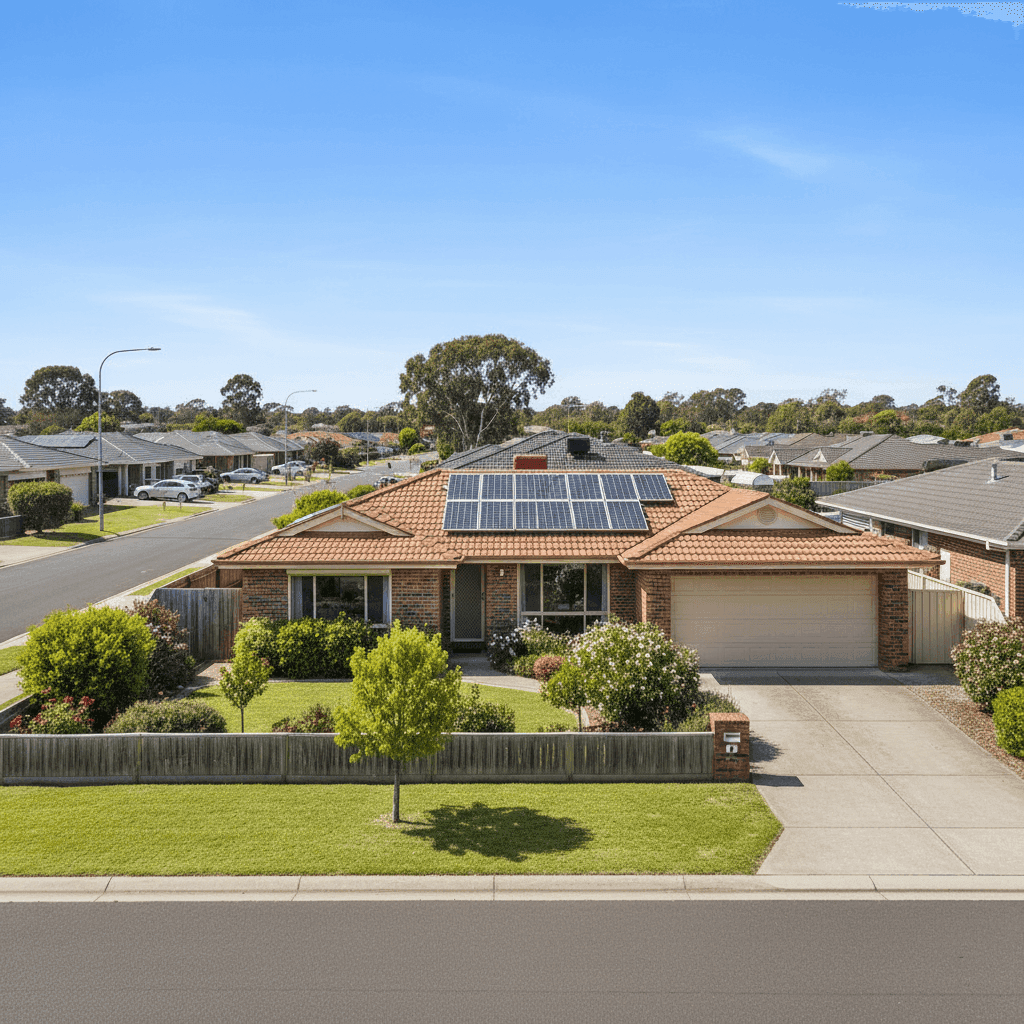
Paynesville is a picturesque waterfront town in East Gippsland, and like many regional Victorian communities, home insurance here comes with its own set of pricing dynamics. This article takes a close look at a real home and contents insurance quote for a four-bedroom, free-standing home in Paynesville (VIC 3880) — breaking down whether the price stacks up, how it compares across the suburb, state, and nation, and what property features are likely driving the premium.
---
Is This Quote Fair?
The annual premium for this property came in at $2,115 per year (or roughly $203 per month), covering both building (insured at $450,000) and contents (insured at $120,000), each with a $1,000 excess.
Our pricing engine has rated this quote as FAIR — Around Average, which means it sits comfortably within the typical range for comparable properties in the area. It's not the cheapest you could find, but it's also well clear of the more expensive end of the market. For a property of this size and specification, paying around $2,100 annually is a reasonable outcome — particularly when you factor in the contents coverage and the relatively modest excess.
That said, "fair" doesn't mean you shouldn't shop around. Even a modest saving of $200–$300 per year adds up significantly over the life of a mortgage or long-term ownership.
---
How Paynesville Compares
To put this quote in context, here's how it sits against broader benchmarks — based on data from Paynesville suburb quotes, Victoria-wide figures, and national averages:
| Benchmark | Average Premium | Median Premium |
|---|---|---|
| Paynesville (3880) | $2,217/yr | $2,020/yr |
| Wellington LGA | $4,409/yr | — |
| Victoria | $3,000/yr | $2,718/yr |
| Australia (National) | $5,347/yr | $2,764/yr |
A few things stand out here. This quote of $2,115 sits below the Paynesville suburb average of $2,217 and very close to the suburb median of $2,020 — meaning it's tracking right in the middle of the pack locally.
More striking is the comparison to the Wellington LGA average of $4,409 per year. This suggests that while Paynesville itself is relatively affordable to insure, other parts of the Wellington local government area carry significantly higher premiums — likely driven by flood-prone or bushfire-exposed properties in surrounding towns and rural areas. Paynesville's coastal and estuarine geography, while bringing its own considerations, appears to attract more moderate pricing than many LGA neighbours.
Against the Victorian state average of $3,000 per year, this quote is notably cheaper — roughly $885 below the state average. And compared to the national average of $5,347, the difference is even more pronounced, though it's worth noting that national averages are heavily influenced by high-risk regions in Queensland and Northern Australia, which push the figure upward considerably. The national median of $2,764 is a more useful comparison point, and this quote sits just below that too.
The suburb data is drawn from a sample of 39 quotes, which provides a reasonable basis for comparison. The 25th percentile sits at $1,475/yr and the 75th at $2,729/yr, meaning this quote falls comfortably in the middle two quartiles — further reinforcing the "fair" rating.
---
Property Features That Affect Your Premium
Several characteristics of this property will have influenced the final premium — some favourably, others less so.
Brick veneer construction with a tiled roof is generally viewed positively by insurers. Brick veneer offers solid weather resistance and is less susceptible to fire damage than timber-framed cladding, while tiled roofs are durable and long-lasting. Together, these materials typically attract more competitive premiums than, say, a weatherboard home with a metal or Colorbond roof.
Slab foundation is another tick in the right column. Slab-on-ground construction is common in Victoria and is generally considered structurally stable, with fewer risks associated with subfloor moisture or pest damage compared to raised timber stumps.
Solar panels are worth noting. While they're a great investment for energy savings, insurers do factor them into the sum insured and occasionally into the risk profile, as panels can complicate roof repairs and add replacement cost. Ensuring your building sum insured of $450,000 adequately accounts for the reinstallation cost of your solar system is important.
Ducted climate control adds to the overall replacement value of the home's fixtures and fittings. This is typically captured in the building sum insured, so it's worth confirming your coverage reflects the full cost of replacing this system if damaged.
Carpet flooring and standard fittings quality suggest a mid-range fit-out, which generally keeps contents valuations and building replacement costs in a reasonable range — avoiding the premium uplift that can come with high-end finishes.
At 214 sqm, this is a comfortably sized family home, and the $450,000 building sum insured translates to roughly $2,100 per sqm — broadly in line with current construction costs in regional Victoria, though it's always worth reviewing this figure annually as building costs continue to rise.
---
Tips for Homeowners in Paynesville
1. Review your sum insured every year. Construction costs in regional Victoria have risen sharply in recent years. A sum insured that was accurate two years ago may now leave you underinsured. Use a building cost calculator or speak with a local builder to sense-check your figure before renewal.
2. Check your solar panel coverage. Confirm with your insurer that your solar panels are explicitly covered under the building policy — including both the panels themselves and any inverter or battery storage. Some policies require you to list them separately or increase your sum insured to account for them.
3. Consider your excess strategically. Both your building and contents excesses are set at $1,000. Opting for a higher excess (say, $2,000) can reduce your annual premium meaningfully — but only makes sense if you'd comfortably cover that amount out of pocket in a claim. It's a useful lever if your priority is lowering ongoing costs.
4. Bundle and compare. Home and contents policies purchased together (as this one is) often attract a discount compared to buying them separately. However, this doesn't mean your current insurer is offering the best combined deal. Running a fresh comparison every 12 months — especially at renewal time — is one of the simplest ways to avoid paying more than you need to.
---
Compare Your Home Insurance Options
Whether you're renewing your existing policy or insuring a new property in Paynesville, it pays to see what else is on the market. CoverClub makes it easy to compare home and contents insurance quotes side by side, with transparent pricing and suburb-level data to help you make an informed decision.
Get a quote today at CoverClub and see how your premium stacks up against your neighbours.