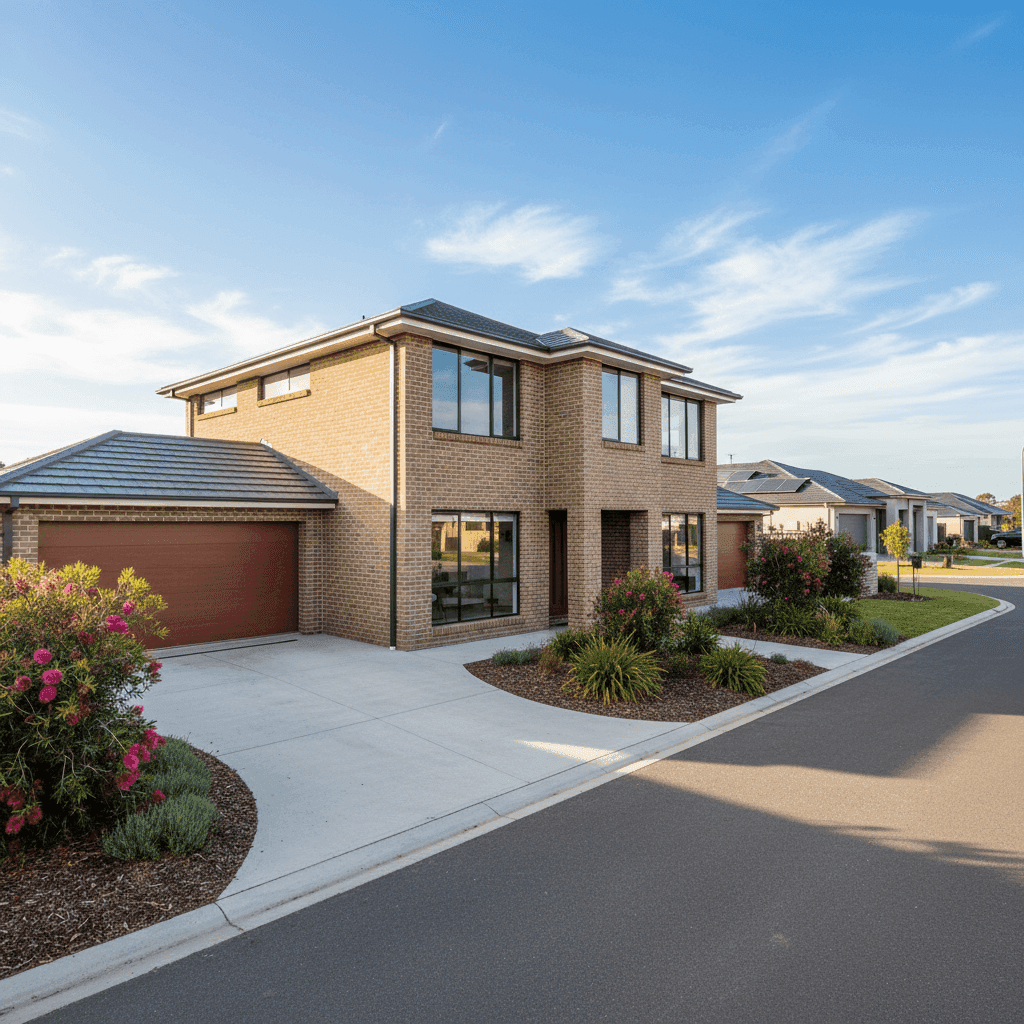
Paynesville is a picturesque waterfront town in East Gippsland, Victoria — and like many regional coastal communities, it comes with its own unique insurance landscape. This article breaks down a recent home and contents insurance quote for a five-bedroom free standing home in Paynesville (VIC 3880), and puts the numbers in context so you can judge whether the price stacks up.
---
Is This Quote Fair?
The quoted annual premium for this property is $1,787 per year (or approximately $168 per month), covering a building sum insured of $860,000 and contents valued at $153,000. The building excess sits at $3,000 and the contents excess at $2,000.
Our price rating for this quote is FAIR — Around Average.
That assessment is well supported by the data. The quote comes in noticeably below both the suburb average of $2,056/yr and the suburb median of $2,098/yr for Paynesville. It's comfortably within the interquartile range — the middle 50% of quotes in the area fall between $1,341 and $2,510 per year — which means this premium is neither suspiciously cheap nor unusually expensive. It sits in solid, competitive territory.
For a property of this size (286 sqm, five bedrooms, three bathrooms) with a relatively high building sum insured, landing under the suburb average is a reasonable outcome. Homeowners paying significantly more than $2,500 per year for a comparable property in Paynesville may have room to shop around.
---
How Paynesville Compares
To properly contextualise this quote, it helps to zoom out and look at the broader picture. Here's how Paynesville premiums compare across different geographic levels:
| Benchmark | Average Premium | Median Premium |
|---|---|---|
| Paynesville (3880) | $2,056/yr | $2,098/yr |
| Victoria (VIC) | $2,921/yr | $2,694/yr |
| National | $2,965/yr | $2,716/yr |
| Wellington LGA | $4,409/yr | — |
(Based on [Paynesville suburb data](https://coverclub.com.au/stats/VIC/3880/paynesville) from 63 quotes, [VIC state data](https://coverclub.com.au/stats/VIC), and [national benchmarks](https://coverclub.com.au/stats/national).)
A few things stand out here. First, Paynesville's suburb average of $2,056/yr is meaningfully lower than both the Victorian state average ($2,921/yr) and the national average ($2,965/yr). That's somewhat surprising for a coastal town, but may reflect the relatively low cyclone and bushfire risk profile of this particular location compared to other regional Victorian and interstate areas.
The Wellington LGA average of $4,409/yr is strikingly high — nearly double the Paynesville suburb average. This suggests significant variation within the broader LGA, likely driven by higher-risk properties in other parts of the Wellington region (such as flood-prone or bushfire-exposed areas). Homeowners in Paynesville itself appear to benefit from more favourable local risk characteristics.
---
Property Features That Affect Your Premium
Several characteristics of this property are relevant to how insurers assess and price the risk:
Brick Veneer Walls & Tiled Roof Brick veneer construction with a tiled roof is generally viewed favourably by insurers. These materials offer solid fire resistance and durability compared to, say, weatherboard cladding or Colorbond roofing. This combination can contribute to a more competitive premium.
Slab Foundation A concrete slab foundation is a standard, low-risk choice for modern Australian homes. It eliminates the underfloor cavity that can be a vulnerability in older homes with raised timber floors, and is typically associated with lower structural risk.
Timber and Laminate Flooring While attractive and popular, timber and laminate flooring can be more costly to replace than carpet in the event of water damage or flooding. This is worth keeping in mind when reviewing your contents and building sum insured — ensuring your figures adequately account for floor replacement costs.
Ducted Climate Control The presence of ducted climate control adds to the replacement value of the home. These systems can be expensive to repair or replace, and it's important that your building sum insured reflects this. Underinsurance is a common issue for Australian homeowners, particularly when fixed installations like ducted systems are overlooked.
Built in 2007 A construction year of 2007 means the home is relatively modern — built to contemporary building codes and standards. Newer homes generally attract lower premiums than older properties, which may have ageing wiring, plumbing, or structural components that present higher risk.
286 sqm, 5 Bedrooms, 3 Bathrooms This is a larger-than-average home, which directly influences the building sum insured ($860,000). Larger homes cost more to rebuild, and the sum insured should always reflect the full cost of reconstruction — not the market value of the property. It's worth periodically reviewing this figure with a quantity surveyor or using an online building calculator.
---
Tips for Homeowners in Paynesville
1. Review your building sum insured regularly Construction costs have risen sharply across Australia in recent years. A sum insured that was adequate three years ago may no longer cover full rebuilding costs today. For a 286 sqm home in regional Victoria, it's worth getting an updated estimate to make sure $860,000 still reflects reality.
2. Compare quotes before renewal This quote came in below the Paynesville suburb average — but that doesn't mean there isn't a better deal available. Insurers reprice risk differently, and a competing quote could be materially cheaper for identical cover. Use CoverClub to compare quotes before your policy renews.
3. Understand your excess obligations This policy carries a $3,000 building excess and a $2,000 contents excess. These are on the higher end and will affect your out-of-pocket costs in the event of a claim. Some insurers allow you to adjust your excess in exchange for a lower or higher premium — it's worth understanding the trade-off for your financial situation.
4. Check for local flood or storm risk Paynesville sits on the Gippsland Lakes, making it worth confirming whether your policy includes flood cover and how storm surge or water ingress events are defined in your Product Disclosure Statement (PDS). Not all policies treat these the same way, and the fine print matters in waterfront locations.
---
Compare Your Options with CoverClub
Whether you're renewing an existing policy or buying cover for the first time, it pays to know where your premium stands. CoverClub aggregates real quote data from across Australia so you can benchmark your price against your neighbours and the broader market. Get a home insurance quote today and see how your premium compares in Paynesville and beyond.