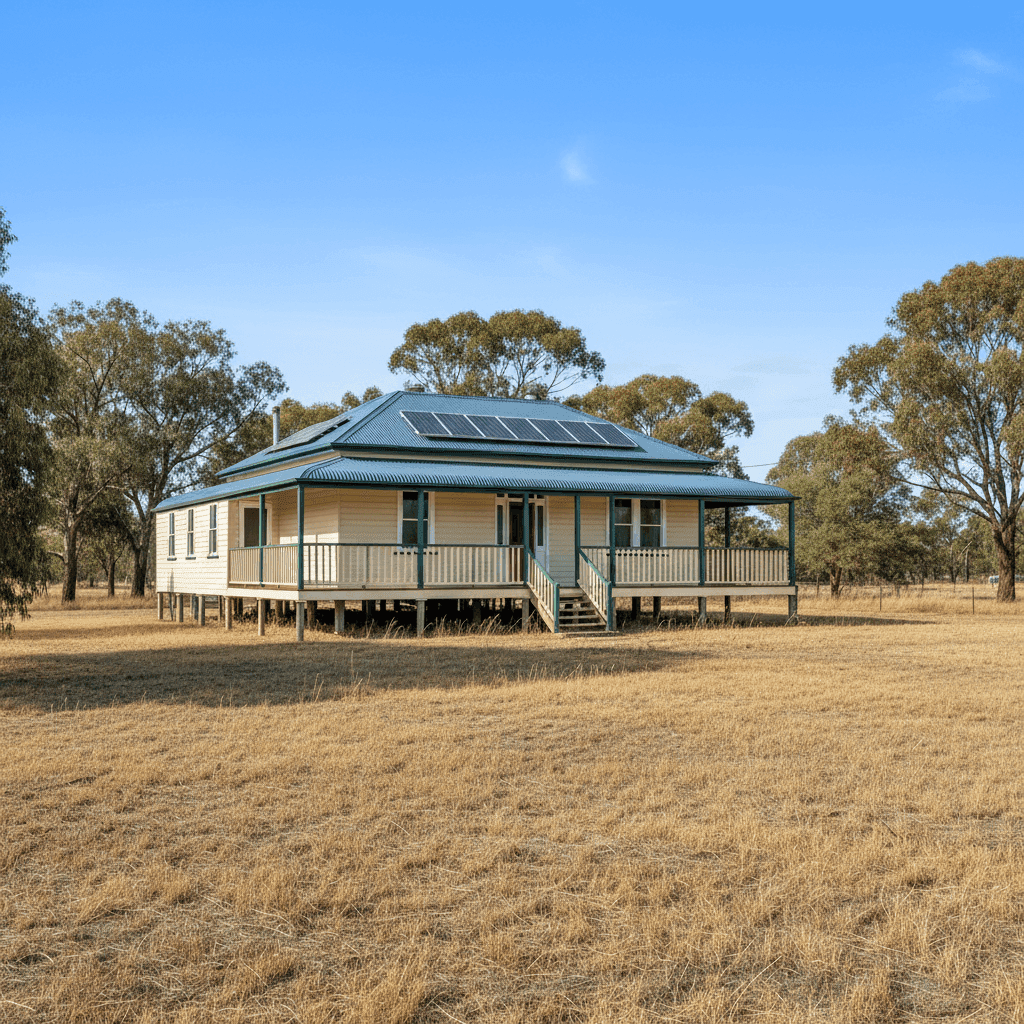
Nestled in the Central West of New South Wales, Peak Hill is a quiet rural township with a strong sense of community and a housing stock that reflects its rich history. This analysis looks at a home and contents insurance quote for a four-bedroom, free-standing home in Peak Hill NSW 2869 — and unpacks whether the premium stacks up against what others in the area, state, and across Australia are paying.
---
Is This Quote Fair?
The annual premium for this property came in at $3,556 per year (or $349/month), covering both building and contents with a building sum insured of $808,000 and contents valued at $132,000. Our price rating for this quote is Expensive — above average for the suburb.
To put that in context: the suburb average for Peak Hill sits at just $2,056 per year, with a median of $1,931. This quote is running at roughly 73% above the local suburb average — a significant gap that warrants a closer look.
That said, it's worth noting the suburb sample size is relatively small (17 quotes), so the local benchmark may not fully capture the range of properties and risk profiles in the area. The quote is also not dramatically out of line when viewed through a broader lens — more on that below.
---
How Peak Hill Compares
When we zoom out from the suburb level, the picture shifts considerably:
| Benchmark | Premium |
|---|---|
| This Quote | $3,556/yr |
| Peak Hill Suburb Average | $2,056/yr |
| Peak Hill Suburb Median | $1,931/yr |
| Peak Hill 75th Percentile | $2,461/yr |
| NSW State Average | $3,801/yr |
| NSW State Median | $3,410/yr |
| National Average | $2,965/yr |
| National Median | $2,716/yr |
| Narromine LGA Average | $4,185/yr |
Viewed against NSW state averages, this quote is actually below the state average of $3,801 — and only marginally above the state median of $3,410. Similarly, against the national average of $2,965, the premium is higher, but not dramatically so given the property's characteristics and sum insured.
Perhaps most telling is the Narromine LGA average of $4,185 per year. This quote sits well beneath that benchmark, suggesting that for a property of this type and age in the region, the pricing may be more reasonable than the suburb-level comparison implies. The local suburb data likely skews lower because it includes a mix of smaller, newer, or less complex properties.
---
Property Features That Affect Your Premium
Several characteristics of this property have a meaningful influence on its insurance pricing — and understanding them helps explain why this quote lands where it does.
Fibro Asbestos Walls
This is arguably the most significant premium driver. The home's external walls are constructed from fibro asbestos, a material common in Australian homes built before the 1980s. Insurers treat asbestos-containing materials with considerable caution — not because the home is unsafe to live in when undisturbed, but because any repair or rebuild work requires specialist contractors, hazardous material handling, and strict regulatory compliance. This substantially increases the potential cost of a claim, and insurers price accordingly.
Age of Construction — 1956
At nearly 70 years old, this home is well into vintage territory. Older properties carry a higher likelihood of ageing infrastructure — think original wiring, plumbing, and structural components that may not meet current building codes. Insurers factor this into their risk modelling, particularly when calculating rebuild costs.
Elevated on Stumps
The home sits on stump foundations, elevated less than one metre off the ground. While this style of construction is common across regional NSW and Queensland, it does introduce some additional considerations — including susceptibility to subfloor moisture, potential for pest activity, and the cost of repairing or replacing stumps in the event of a claim.
Timber and Laminate Flooring
Timber flooring adds both aesthetic and replacement value to a home, but it also increases the cost of reinstatement. Combined with standard fittings throughout, the overall rebuild cost is appropriately reflected in the $808,000 building sum insured.
Solar Panels
The presence of solar panels is a positive feature from a risk management perspective — though it does add a modest amount to the insured value of the property. Most insurers include solar panels under building cover, so it's worth confirming this is the case with your policy.
Ducted Climate Control
Ducted air conditioning systems are expensive to repair or replace and are typically included under building cover. Their presence contributes to the higher sum insured and, by extension, the overall premium.
Steel / Colorbond Roof
On the positive side, a Colorbond steel roof is one of the more favourable roofing materials from an insurer's perspective. It's durable, fire-resistant, and holds up well against hail and wind — all of which can work in your favour when it comes to premium pricing.
---
Tips for Homeowners in Peak Hill
1. Review Your Sum Insured Carefully
At $808,000, the building sum insured is substantial for a regional property. It's important this figure accurately reflects the cost to rebuild — not the market value of the home. Consider getting a professional building valuation to ensure you're not over- or under-insured. Over-insuring pushes your premium up unnecessarily.
2. Ask About Asbestos-Specific Policies
Not all insurers are equally comfortable with fibro asbestos construction. Some may apply exclusions or sub-limits for asbestos-related claims. Before committing to a policy, ask your insurer directly how they handle asbestos removal and reinstatement costs — and get it in writing.
3. Compare Multiple Quotes
The gap between the suburb average and this quote underscores just how much premiums can vary between providers. Even if this quote is competitive at the LGA level, another insurer may assess the risk differently. Use CoverClub to compare quotes and see what else is available for your specific property.
4. Consider a Higher Excess to Reduce Your Premium
With a building excess of $2,000 and a contents excess of $1,000, there may be room to adjust these upward if you're comfortable absorbing a larger out-of-pocket cost in the event of a minor claim. Increasing your excess is one of the most straightforward ways to bring your annual premium down.
---
Ready to Compare?
Whether you think this quote is competitive or you're looking for something more affordable, the best way to know for certain is to compare. Get a home insurance quote through CoverClub and see how different insurers price your property — you might be surprised at the range. For more data on what Peak Hill homeowners are paying, visit the Peak Hill suburb stats page.