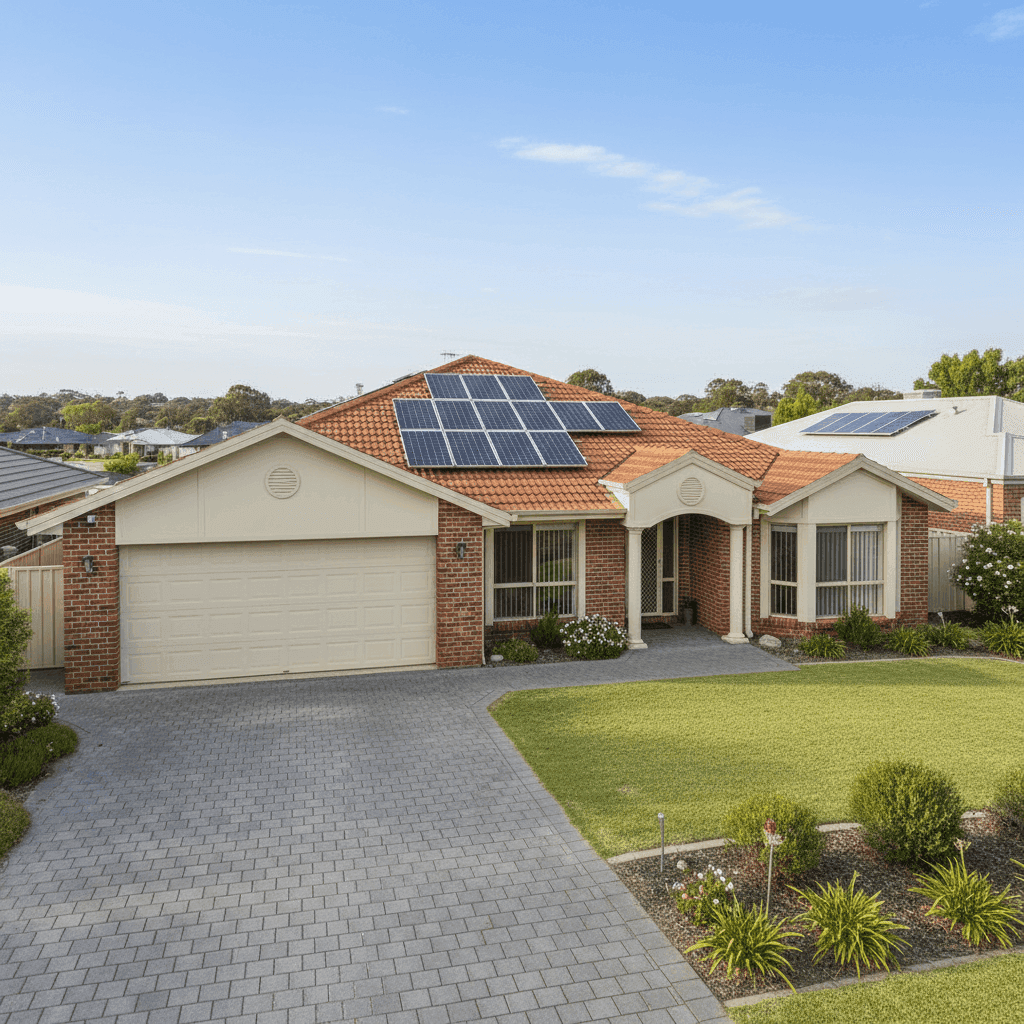
Pelican Point is a quiet residential suburb in the City of Bunbury on Western Australia's South West Coast — a sought-after area known for its relaxed lifestyle, coastal proximity, and solid family homes. If you own a free standing home here and you're trying to make sense of your home and contents insurance quote, you're in the right place. This article breaks down a real quote for a 4-bedroom, 2-bathroom property in Pelican Point (postcode 6230), examines whether the price stacks up, and offers practical tips to help you get better value.
---
Is This Quote Fair?
The annual premium for this property came in at $4,114 per year (or $394/month), covering both building (sum insured: $979,000) and contents ($150,000), each with a $1,000 excess. Our price rating for this quote is Expensive — Above Average.
To understand why, it helps to look at the broader picture. The WA state average premium sits at $2,811 per year, with a median of $2,127. That means this quote is running roughly 46% above the state average and nearly double the state median. Compared to national figures — an average of $5,347 and a median of $2,764 — the quote is below the national average, which does provide some context. However, given that the LGA average for Dardanup is just $1,524 per year, there's a meaningful gap worth investigating.
That said, "expensive" doesn't automatically mean "wrong." Several property-specific factors can legitimately push a premium higher, and it's worth unpacking those before drawing conclusions.
---
How Pelican Point Compares
Here's a quick snapshot of where this quote sits in the broader market:
| Benchmark | Annual Premium |
|---|---|
| This Quote | $4,114 |
| WA State Average | $2,811 |
| WA State Median | $2,127 |
| National Average | $5,347 |
| National Median | $2,764 |
| LGA (Dardanup) Average | $1,524 |
You can explore suburb-level data in more detail on the Pelican Point insurance stats page, which tracks premium trends across the postcode.
One thing worth noting: the national average of $5,347 is heavily influenced by high-risk areas — cyclone-prone parts of Queensland and the Northern Territory, flood zones, and bushfire corridors. Pelican Point is not classified as a cyclone risk area, which is a meaningful advantage. Properties in lower-risk regions would typically expect to pay below the national average, making this quote's position above the WA average worth scrutinising.
The LGA average of $1,524 is notably low, which may reflect a mix of smaller or older properties, lower sum insured amounts, or buildings-only policies in the Dardanup area. This quote covers a larger, higher-value home with contents included, so direct comparison has its limits — but it does suggest there may be room to negotiate or shop around.
---
Property Features That Affect Your Premium
Several characteristics of this property have a direct bearing on what insurers charge. Here's how each one plays out:
Double Brick Construction Double brick is generally viewed favourably by insurers. It's durable, fire-resistant, and less susceptible to storm damage than lightweight cladding. This typically works in the homeowner's favour when it comes to premiums.
Tiled Roof Terracotta or concrete tiles are considered a solid, low-maintenance roofing choice. They hold up well in moderate weather and are generally associated with lower risk compared to corrugated iron or older materials like asbestos cement sheeting.
Slab Foundation A concrete slab is a standard, stable foundation type in WA's South West. It reduces the risk of subsidence and pest-related structural damage, both of which can concern insurers.
Above Average Fittings This is one area that can push premiums up. Above average fittings — think stone benchtops, quality cabinetry, premium flooring, and high-end fixtures — increase the cost to rebuild or repair, which flows directly into the building sum insured and the premium calculation.
Solar Panels Solar panels add replacement value to the property and can introduce specific risks (such as fire from faulty inverters or panel damage in storms). Most insurers now include solar panels under building cover, but their presence can contribute to a higher sum insured and, in turn, a higher premium.
Ducted Climate Control Ducted air conditioning systems are expensive to replace and add to the overall rebuild cost of the home. Like above average fittings, this is a legitimate driver of a higher building sum insured.
Building Size: 214 sqm At 214 square metres, this is a comfortably sized family home. Larger homes cost more to rebuild, and with a sum insured of $979,000, the building valuation is substantial — this alone explains much of the premium difference compared to smaller or lower-value properties in the LGA.
Contents: $150,000 A $150,000 contents value is reasonable for a well-appointed 4-bedroom home. This component adds to the overall premium but is an important protection for furniture, appliances, clothing, and personal belongings.
---
Tips for Homeowners in Pelican Point
1. Review Your Sum Insured Carefully A building sum insured of $979,000 is significant. Make sure this figure reflects the actual cost to rebuild — not the market value of the property. Overinsuring can mean you're paying for cover you'll never claim. Tools like the Cordell Sum Sure calculator can help you arrive at a more accurate figure.
2. Compare Multiple Quotes The gap between this quote and the WA state average suggests that shopping around could yield meaningful savings. Different insurers weigh risk factors differently — one insurer may penalise solar panels more heavily than another, for instance. Use CoverClub to compare quotes side by side before renewing.
3. Consider Your Excess Level Both the building and contents excesses are set at $1,000. Opting for a higher voluntary excess (say, $2,000 or $2,500) can reduce your annual premium noticeably. If you have a solid emergency fund and are unlikely to make small claims, this trade-off often makes financial sense.
4. Ask About Discounts Many insurers offer discounts for bundling home and contents (which this policy already does), paying annually rather than monthly, or installing security systems. It's also worth asking whether your home's double brick construction or slab foundation qualifies for any structural discounts — not all insurers advertise these proactively.
---
Ready to Find a Better Deal?
Whether this quote is the right fit or not, the best way to know is to compare. CoverClub makes it easy to benchmark your premium against real market data and get quotes from multiple insurers in minutes. Start your comparison at CoverClub and see what Pelican Point homeowners are actually paying — you might be surprised at the savings on offer.