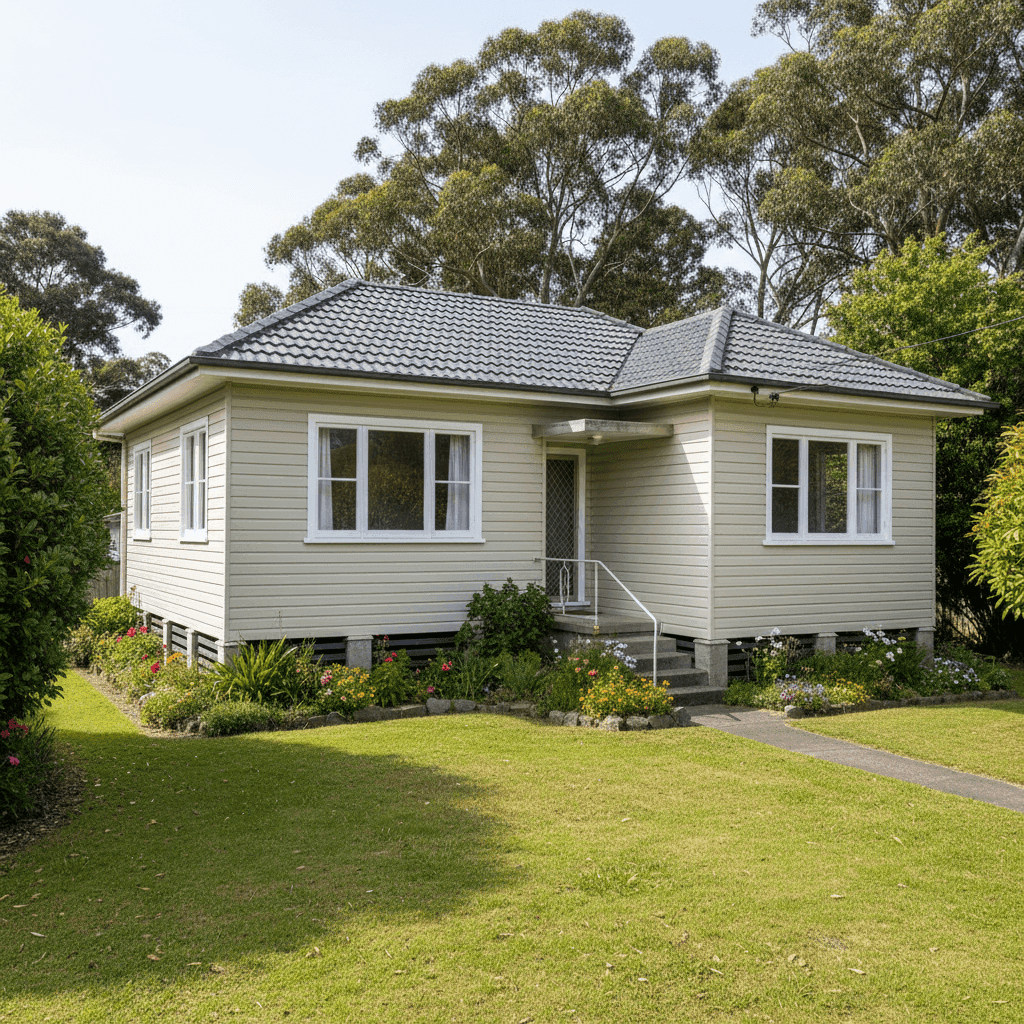
Penguin is a charming coastal town on Tasmania's north-west coast, known for its relaxed lifestyle, sea views, and tight-knit community. If you own a free standing home here, understanding what you should be paying for home and contents insurance is one of the smartest financial checks you can make. This article breaks down a real quote for a 3-bedroom home in Penguin (postcode 7316), compares it against local, state, and national benchmarks, and offers practical advice for homeowners in the area.
---
Is This Quote Fair?
The quote in question comes in at $971 per year (or roughly $90 per month) for combined home and contents cover — with a building sum insured of $550,000 and contents valued at $105,000. The building excess sits at $2,000 and the contents excess at $1,000.
Our price rating for this quote is CHEAP — Below Average, which is genuinely good news for the homeowner. To put it plainly: this premium is well below what most comparable properties in the suburb are paying, and it sits comfortably beneath state and national figures too.
At $971, the quote falls below even the 25th percentile for Penguin, which sits at $1,021 per year. That means fewer than one in four homeowners in this suburb are paying less — a strong signal that this is a competitive result. Given the level of cover (building and contents), landing below the suburb's cheapest quartile is a meaningful outcome.
---
How Penguin Compares
To fully appreciate this quote, it helps to see it in context. Here's how Penguin's insurance market stacks up against the broader landscape:
| Benchmark | Average Premium | Median Premium |
|---|---|---|
| Penguin (7316) | $1,680/yr | $1,322/yr |
| LGA (Burnie) | $2,099/yr | — |
| Tasmania | $2,458/yr | $2,272/yr |
| National | $2,965/yr | $2,716/yr |
A few things stand out here. First, Penguin's median of $1,322 is notably lower than the broader Tasmanian median of $2,272 — suggesting that homes in this suburb tend to attract more affordable premiums than many other parts of the state. Second, the national median of $2,716 is more than double the quote being analysed, which underscores just how competitive this result is.
It's also worth noting that the suburb data is drawn from a sample of 39 quotes, which gives a reasonably reliable picture of the local market. The wide spread between the 25th percentile ($1,021) and the 75th percentile ($2,113) tells us that premiums in Penguin can vary significantly depending on the specific property and insurer — all the more reason to shop around.
You can explore the full pricing data for Penguin on CoverClub's suburb stats page, or browse Tasmania-wide insurance data and national benchmarks for broader context.
---
Property Features That Affect Your Premium
Every insurer weighs up a property's characteristics when calculating a premium. Here's how the features of this particular home are likely influencing the price:
Construction year (1968) Older homes — particularly those built before the 1980s — can attract higher premiums due to ageing infrastructure, outdated wiring, and plumbing that may not meet modern standards. A 1968 build is something insurers pay close attention to, so the fact this quote remains competitive is notable.
Vinyl cladding external walls Vinyl cladding is generally viewed as a moderate-risk material. It's not as fire-resistant as brick, but it's also not as costly to repair or replace as some other materials. This sits in a middle ground that most insurers are comfortable pricing.
Tiled roof Tiles are considered a durable, lower-risk roofing material compared to alternatives like Colorbond or corrugated iron in certain contexts. They tend to perform well in the mild, temperate climate of north-west Tasmania, and insurers generally price tiled roofs favourably.
Stump foundation Homes on stumps (also called pier foundations) are common in older Tasmanian properties. They can be susceptible to subsidence, moisture, and pest damage over time, which some insurers factor into their risk assessment. Maintaining the stumps in good condition is important for both safety and insurability.
Carpet flooring and standard fittings Standard fittings and carpet flooring keep the replacement cost estimate lower than a home with premium finishes. This directly reduces the building sum insured required and, in turn, can moderate the premium.
No pool, no solar panels, no ducted climate control The absence of these features simplifies the risk profile. Pools add liability exposure, solar panels introduce additional rebuild complexity, and ducted systems are costly to replace. Without them, the quote is cleaner and more straightforward to price.
Building size: 130 sqm At 130 square metres, this is a modest but practical home. A smaller footprint means lower rebuild costs, which supports a more competitive building sum insured and premium.
---
Tips for Homeowners in Penguin
1. Review your building sum insured regularly A sum insured of $550,000 for a 130 sqm home in Penguin may be appropriate, but it's worth checking this figure annually. Rebuild costs — including labour, materials, and council fees — can shift with inflation. Underinsurance is one of the most common and costly mistakes homeowners make.
2. Keep up with stump maintenance If your home sits on stumps, have them inspected every few years by a qualified tradesperson. Rotting or shifting stumps can lead to structural issues that may complicate a claim or affect your insurability over time.
3. Check what's excluded for older homes Some insurers apply exclusions or sub-limits to homes built before a certain year — particularly around electrical wiring, plumbing, and roofing. Read your Product Disclosure Statement (PDS) carefully to understand what is and isn't covered for a 1968 build.
4. Don't just renew automatically Insurance premiums in Tasmania have been rising. The fact that this quote is below the suburb average is a good outcome, but it's not guaranteed to stay that way at renewal. Comparing quotes each year — even if you're happy with your current insurer — is one of the simplest ways to keep your costs in check.
---
Compare Your Home Insurance at CoverClub
Whether you're a first-time buyer or a long-term Penguin local, getting a second opinion on your home insurance is always worthwhile. CoverClub makes it easy to see how your current premium stacks up — and to find a better deal if one exists. Get a home insurance quote today and find out where your property sits in the market.