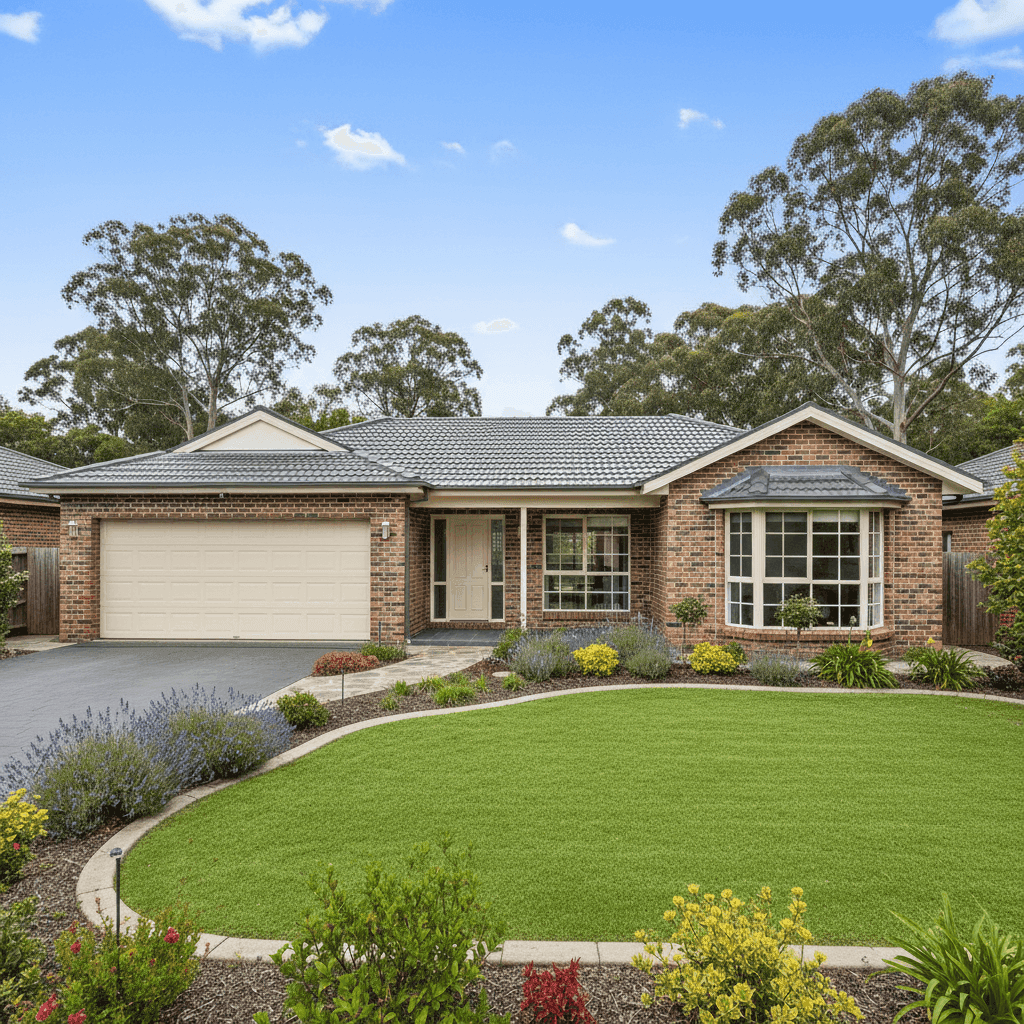
Pennant Hills is a well-established suburb on Sydney's Upper North Shore, known for its leafy streets, family-friendly atmosphere, and solid housing stock. If you own a free standing home in the area, understanding what you should be paying for home and contents insurance is an important part of managing your household budget. This article breaks down a real insurance quote for a five-bedroom property in Pennant Hills (NSW 2120) and puts the numbers into context so you can make a more informed decision.
---
Is This Quote Fair?
The quote in question comes to $3,123 per year (or $299 per month) for combined home and contents cover, with a $550,000 building sum insured and $50,000 in contents cover. Both the building and contents excess are set at $1,000.
Our price rating for this quote is Expensive — Above Average.
To understand why, it helps to look at what other homeowners in Pennant Hills are paying. The suburb average sits at $2,082 per year, while the median is a lower $1,768 per year. This quote lands well above both figures — in fact, it's roughly 50% higher than the suburb average and nearly double the median. Even the 75th percentile for the suburb (meaning three-quarters of quotes are cheaper) sits at $2,350 per year, which is still significantly below this premium.
That said, context matters. This is a large, five-bedroom home with a relatively high building sum insured of $550,000, which naturally pushes the premium up compared to smaller properties. Larger homes cost more to rebuild, and insurers price accordingly. Still, the gap is notable enough that it's worth shopping around before committing.
---
How Pennant Hills Compares
To get a fuller picture, it's useful to zoom out and compare Pennant Hills insurance data against broader benchmarks.
| Benchmark | Average Premium | Median Premium |
|---|---|---|
| Pennant Hills (2120) | $2,082/yr | $1,768/yr |
| Hornsby LGA | $3,958/yr | — |
| NSW | $9,528/yr | $3,770/yr |
| National | $5,347/yr | $2,764/yr |
A few things stand out here. First, the NSW state average of $9,528 per year is extraordinarily high — this is heavily influenced by flood-prone and cyclone-affected regions across the state, which can push premiums into the tens of thousands. The median of $3,770 is a more representative figure for typical NSW homeowners. Against that benchmark, the $3,123 quote actually looks more reasonable.
Compared to the national average of $5,347 per year, this quote again sits below the mean — though the national median of $2,764 is closer to the suburb average, reinforcing that this particular quote is on the higher end for Pennant Hills specifically.
The Hornsby LGA average of $3,958 per year is also worth noting. It suggests that across the broader local government area, premiums tend to be higher than the Pennant Hills suburb average, possibly due to a mix of property types, sizes, and risk profiles in surrounding suburbs. In that light, the $3,123 quote is actually below the LGA average — which provides some reassurance.
---
Property Features That Affect Your Premium
Several characteristics of this property will have a direct bearing on the premium calculated by insurers.
Brick veneer construction is generally viewed favourably by insurers. It offers solid fire resistance compared to timber-framed weatherboard homes, which can translate to lower risk assessments. However, brick veneer is not the same as full brick — the internal timber frame can still be vulnerable to moisture and structural issues over time.
Tiled roofing is another positive factor. Tiles are durable, fire-resistant, and have a long lifespan, making them a lower-risk option compared to materials like Colorbond or older corrugated iron. They do carry some risk of individual tile damage during hailstorms, but overall they're well-regarded by insurers.
Slab foundation is standard for a home built in 2005 and is generally considered low-risk. It reduces the likelihood of subsidence or underfloor pest damage that can affect older homes on stumps or piers.
Ducted climate control adds to the replacement value of the home's fixtures and fittings. While it's a comfort feature, it also represents a meaningful cost to repair or replace, which is factored into the building sum insured.
Carpet flooring is relatively inexpensive to replace compared to hardwood or engineered timber, which may slightly moderate the contents and building replacement cost.
The property was built in 2005, placing it in a modern construction era with updated building codes. This generally works in the homeowner's favour, as newer builds tend to meet higher standards for structural integrity and fire safety.
With no pool, no solar panels, and no cyclone risk, the property avoids several premium-loading factors that can significantly increase costs for other homeowners.
---
Tips for Homeowners in Pennant Hills
1. Compare multiple quotes before renewing Loyalty doesn't always pay in the insurance market. Insurers frequently offer their best rates to new customers, meaning long-term policyholders can end up overpaying. Use a comparison platform like CoverClub to benchmark your renewal quote against the market each year.
2. Review your sum insured carefully A $550,000 building sum insured is significant — make sure it accurately reflects the cost to rebuild your home (not its market value). Overinsuring pushes your premium up unnecessarily, while underinsuring can leave you exposed after a major claim. Consider getting a professional building valuation every few years.
3. Consider a higher excess to lower your premium Both the building and contents excess on this policy are set at $1,000. Increasing the excess — say, to $2,000 or $2,500 — can meaningfully reduce your annual premium. This strategy works well if you have the savings to cover a larger out-of-pocket expense in the event of a claim.
4. Bundle strategically, but verify the savings Some insurers offer discounts when you combine home and contents cover under a single policy. This quote already does that, but it's worth checking whether the bundled price is actually competitive, or whether you'd save money by sourcing building and contents cover separately.
---
Ready to Find a Better Rate?
If this quote feels steep, you're not alone in asking questions. The good news is that the home insurance market in Pennant Hills is competitive, and there are often meaningful differences between what various insurers will charge for the same property. Get a quote at CoverClub to compare your options and see whether you can find a more competitive premium — without sacrificing the cover you need.