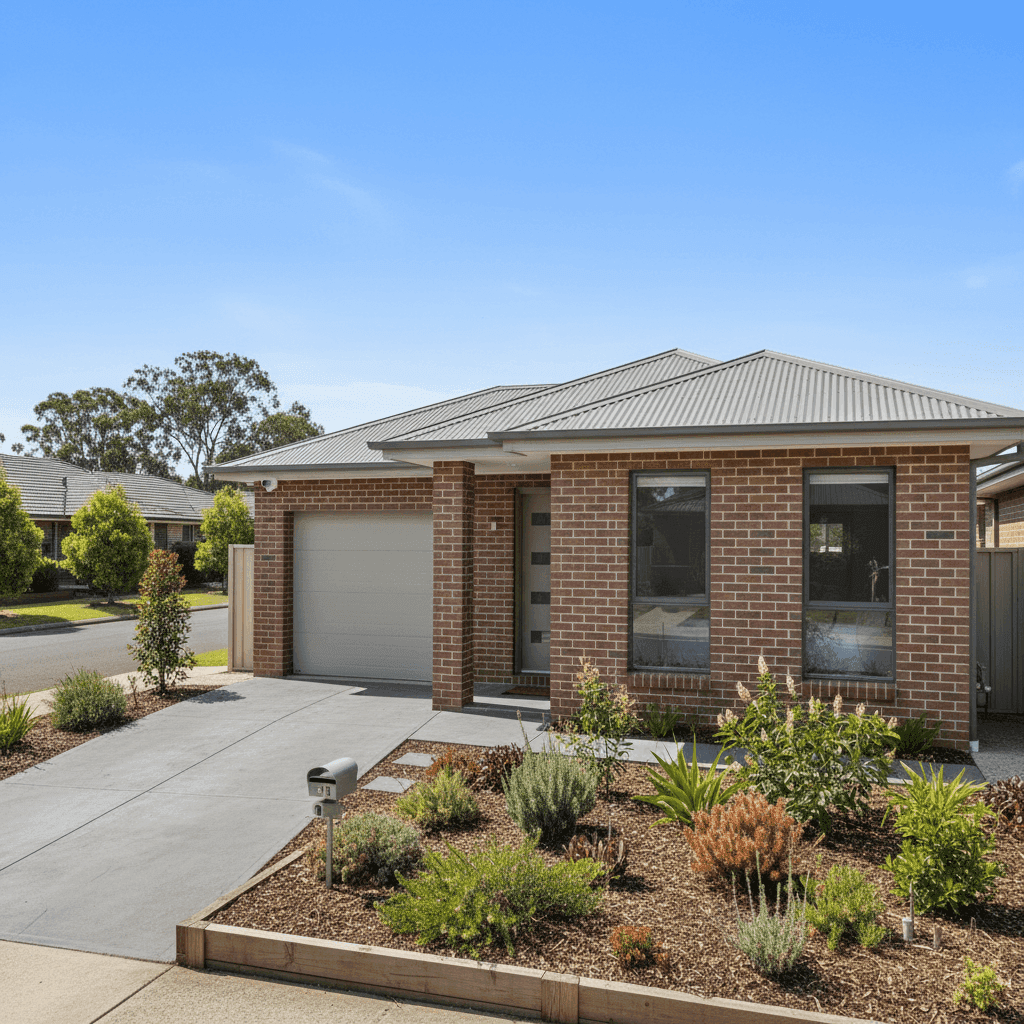
If you own a semi detached home in Picnic Point, NSW 2213, you're likely no stranger to the challenge of finding competitive home insurance. Nestled in the Canterbury-Bankstown local government area along the Georges River, Picnic Point is a leafy, established suburb that has seen significant residential development over the years. With a modern 4-bedroom, 3-bathroom property built in 2015, a homeowner here recently received a combined Home and Contents quote of $2,347 per year — and it's worth unpacking exactly what that figure means in context.
---
Is This Quote Fair?
The short answer: this quote sits in the expensive category relative to what others in Picnic Point are paying.
At $2,347 per year (or $242 per month), this premium is notably higher than the suburb average of $1,506/yr and the suburb median of $1,428/yr. It even clears the 75th percentile benchmark of $1,795/yr — meaning this quote is more expensive than at least three-quarters of comparable quotes collected in the area.
That said, context matters. The building sum insured here is $800,000 — a substantial figure that reflects the cost of rebuilding a modern semi detached with quality finishes. The contents are insured for $80,000, which is a reasonable estimate for a well-furnished four-bedroom home. Higher sums insured naturally push premiums upward, and the building excess of $3,000 (with a $1,000 contents excess) does provide some offset.
Still, even accounting for these factors, homeowners in this situation would be wise to shop around. A difference of $800–$900 per year compared to the suburb median is meaningful money — and the market may have more competitive options available.
---
How Picnic Point Compares
One of the most striking takeaways from this data is just how favourably Picnic Point compares to broader benchmarks. Check out the full suburb stats for Picnic Point (NSW 2213) for a deeper look.
| Benchmark | Average Premium | Median Premium |
|---|---|---|
| Picnic Point (suburb) | $1,506/yr | $1,428/yr |
| Canterbury-Bankstown (LGA) | $9,344/yr | — |
| NSW (state) | $9,528/yr | $3,770/yr |
| National | $5,347/yr | $2,764/yr |
The suburb average of $1,506/yr is dramatically lower than both the NSW state average of $9,528/yr and the national average of $5,347/yr. Even the Canterbury-Bankstown LGA average of $9,344/yr — which includes higher-risk pockets — dwarfs the Picnic Point suburb figure.
This suggests that Picnic Point, as a suburb, benefits from relatively lower risk characteristics compared to many other parts of NSW and Australia. The area is not classified as a cyclone risk zone, and the suburb's position away from high-bushfire-risk corridors likely contributes to more manageable base premiums.
It's worth noting the sample size for Picnic Point is 11 quotes — a modest but directionally useful dataset. As more data is collected, these averages may shift, but the current picture paints Picnic Point as a comparatively affordable suburb for home insurance.
---
Property Features That Affect Your Premium
Every home tells its own story when it comes to insurance pricing. Here's how the specific features of this property influence the premium:
Brick Veneer Walls Brick veneer is one of the more insurer-friendly external wall materials. It offers solid fire resistance and durability, which typically results in more favourable premium pricing compared to weatherboard or lightweight cladding.
Steel/Colorbond Roof A Colorbond steel roof is viewed positively by most insurers. It's durable, low-maintenance, and performs well in storms and high winds. This is a meaningful advantage in NSW, where severe weather events can drive significant claims.
Concrete Slab Foundation A slab foundation is considered stable and low-risk by underwriters. It reduces concerns around subsidence, termite ingress, and moisture damage that can affect older homes on timber stumps or piers.
Tile Flooring Tiles are a practical, durable flooring choice that insurers generally regard as low-risk. They're resistant to water damage and don't contribute to fire spread — both positives from an underwriting perspective.
Built in 2015 A construction year of 2015 places this property firmly in the modern era of building standards. Newer homes are built to more stringent codes, with better electrical systems, improved waterproofing, and more resilient structural components. This typically translates to lower risk — and potentially lower premiums.
Ducted Climate Control The presence of ducted climate control adds to the home's replacement value. These systems can be expensive to repair or replace, and their inclusion is factored into the building sum insured.
No Pool, No Solar Panels The absence of a swimming pool removes a source of liability and maintenance-related claims. Similarly, no solar panels means fewer concerns around panel damage, inverter failure, or roof penetration issues — all of which can complicate claims.
---
Tips for Homeowners in Picnic Point
If you're reviewing your home and contents insurance in Picnic Point, here are some practical steps to make sure you're getting value for money:
- Compare quotes annually. The insurance market shifts constantly. A premium that was competitive last year may not be today — and vice versa. Use a comparison platform like CoverClub to benchmark your current policy against live quotes.
- Review your sum insured carefully. An $800,000 building sum insured is significant. Make sure it reflects the actual cost to rebuild your home (not its market value), including demolition, debris removal, and compliance with current building codes. Overinsuring pushes premiums up unnecessarily, while underinsuring can leave you exposed.
- Consider your excess strategically. A $3,000 building excess is on the higher end. While a higher excess reduces your premium, it also means a larger out-of-pocket cost when you do claim. Weigh this trade-off against your financial buffer and claims history.
- Ask about bundling discounts. Many insurers offer a discount when you combine home and contents cover under a single policy — which this quote already does. However, it's still worth asking whether additional discounts apply, such as for loyalty, security systems, or claim-free history.
---
Ready to Compare?
Whether you're renewing your current policy or shopping for the first time, the best way to know if you're paying a fair price is to compare. At CoverClub, we help Australian homeowners benchmark their premiums against real data from their suburb, LGA, and state. Get a quote today and see how your home insurance stacks up — you might be surprised how much you could save.