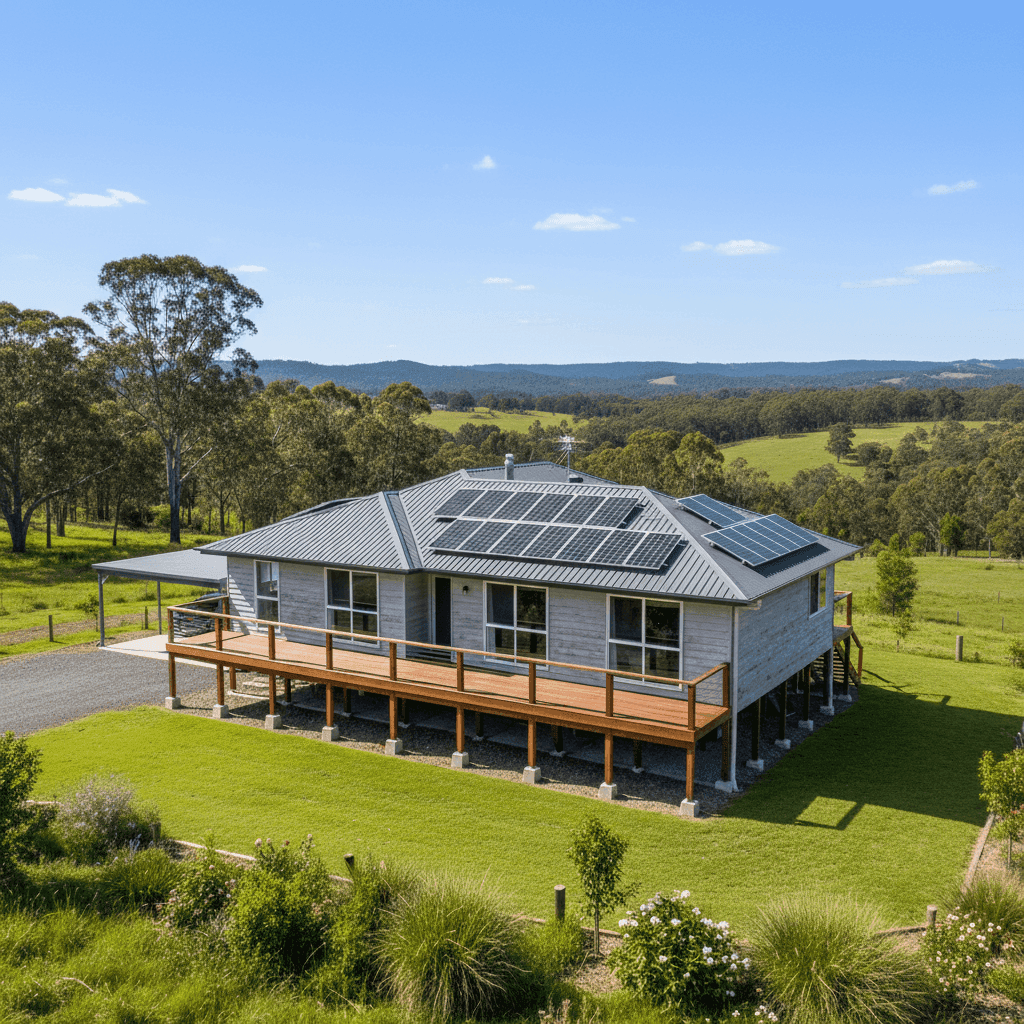
If you own a free standing home in Pillar Valley, NSW 2462, you already know this quiet rural locality in the Clarence Valley has its own unique character — and its own unique insurance landscape. Whether you're reviewing an existing policy or shopping around for the first time, understanding how your premium stacks up against the broader market can save you hundreds of dollars a year.
This article analyses a building-only insurance quote for a 3-bedroom, 1-bathroom free standing home in Pillar Valley, breaking down what's driving the cost and what you can do about it.
---
Is This Quote Fair?
The quote in question comes in at $3,276 per year (or $307 per month) for building-only cover with a $2,000 building excess and a $300,000 sum insured. Our analysis rates this as CHEAP — below average compared to similar properties.
That's genuinely good news for the homeowner. In a region where premiums can vary wildly depending on flood risk, bushfire exposure, and local claims history, landing below the average benchmark is a meaningful outcome. The below-average rating reflects that this particular property's risk profile — combined with the chosen cover structure — is working in the policyholder's favour.
It's worth noting that "cheap" in insurance terms doesn't mean inadequate. A well-priced policy that accurately reflects your risk and provides solid coverage is exactly what you want. The key is making sure the $300,000 sum insured is sufficient to fully rebuild the home at current construction costs — something worth revisiting periodically as building material prices continue to rise across Australia.
---
How Pillar Valley Compares
Putting this quote into context requires looking at the numbers across a few different levels. Unfortunately, there isn't enough suburb-level data to draw a precise local comparison for Pillar Valley specifically — you can check Pillar Valley's insurance stats page as more data becomes available.
What we do have paints a revealing picture:
| Benchmark | Premium |
|---|---|
| This quote | $3,276/yr |
| NSW state average | $9,528/yr |
| NSW state median | $3,770/yr |
| National average | $5,347/yr |
| National median | $2,764/yr |
| Clarence Valley LGA average | $31,244/yr |
The most striking figure here is the Clarence Valley LGA average of $31,244 per year — nearly ten times the quote being analysed. This dramatically elevated LGA average is almost certainly being pulled upward by high-risk properties within the broader Clarence Valley area, many of which sit in flood-prone zones along the Clarence River and its tributaries. Pillar Valley itself sits in the hinterland, away from the most severely flood-affected areas, which likely explains why this particular quote is so much more competitive.
Compared to the NSW state average of $9,528, this quote is 66% cheaper. Against the national average of $5,347, it still comes in well below par. Even measured against the NSW median of $3,770, the quote sits $494 lower — a solid saving.
---
Property Features That Affect Your Premium
Several characteristics of this property directly influence what insurers charge. Here's how each one plays into the final premium:
Hardiplank/Hardiflex external walls Fibre cement cladding like Hardiplank is generally viewed favourably by insurers. It's non-combustible, resistant to rot and termites, and holds up well in harsh Australian conditions. This is a meaningful positive factor compared to weatherboard or timber-clad homes, particularly in areas with any bushfire exposure.
Steel/Colorbond roof Metal roofing is another tick in the right column. Colorbond is durable, fire-resistant, and less susceptible to storm damage than tiles. It also tends to perform well in high-wind events, which matters in rural NSW where severe thunderstorms are not uncommon.
Stump foundation Homes on stumps (also known as pier foundations) can be a mixed bag for insurers. On the positive side, they allow for airflow and can reduce moisture-related issues. However, they can also be more vulnerable to certain types of storm and impact damage. In flood-prone areas, stumps can actually be an advantage — but they may attract slightly more scrutiny in underwriting.
Construction year: 1983 At over 40 years old, this home is considered an older build. Insurers factor in the age of a property when assessing the likelihood of claims related to ageing plumbing, electrical systems, and structural wear. That said, a well-maintained 1983 home with modern updates can still attract competitive premiums.
Solar panels The presence of solar panels adds a modest amount to the insurable value of the home and may slightly increase the premium to account for the cost of replacing panels in the event of damage. It's important to confirm with your insurer that the solar system is explicitly covered under the building policy.
Ducted climate control Ducted air conditioning is a fixed building feature and should be covered under a building policy. Like solar, it adds to the replacement cost of the home, so it's worth ensuring the $300,000 sum insured accounts for this system.
No pool, no cyclone risk zone The absence of a pool removes one source of liability and maintenance-related claims. Being outside a designated cyclone risk area is also a significant premium factor — cyclone-rated cover in northern Australia can add thousands to annual premiums.
---
Tips for Homeowners in Pillar Valley
1. Review your sum insured annually Building costs in regional NSW have climbed significantly in recent years. A $300,000 sum insured may have been accurate when the policy was first taken out, but it's worth getting a current building replacement estimate to make sure you're not underinsured. Many insurers offer online calculators to help with this.
2. Confirm solar panels are explicitly covered Solar systems are sometimes treated as a grey area between building and contents cover. Ask your insurer directly whether your panels, inverter, and associated wiring are included under your building policy — and get it in writing.
3. Maintain the property proactively For an older home like this one, regular maintenance pays dividends at claim time. Insurers can — and do — reject claims where damage is attributable to a lack of upkeep. Keep gutters clear, check the roof after major storms, and address any plumbing or electrical issues promptly.
4. Compare quotes at renewal Even with a competitive premium, the home insurance market shifts constantly. Insurers reprice their books regularly, and the best deal today may not be the best deal in 12 months. Using a comparison platform at renewal takes only a few minutes and could uncover meaningful savings.
---
Ready to Compare?
Whether you're happy with your current quote or wondering if you can do better, it always pays to see what else is out there. At CoverClub, we make it easy to compare home insurance options for properties across Australia — including regional NSW. Get a quote today and see how your premium stacks up in seconds.