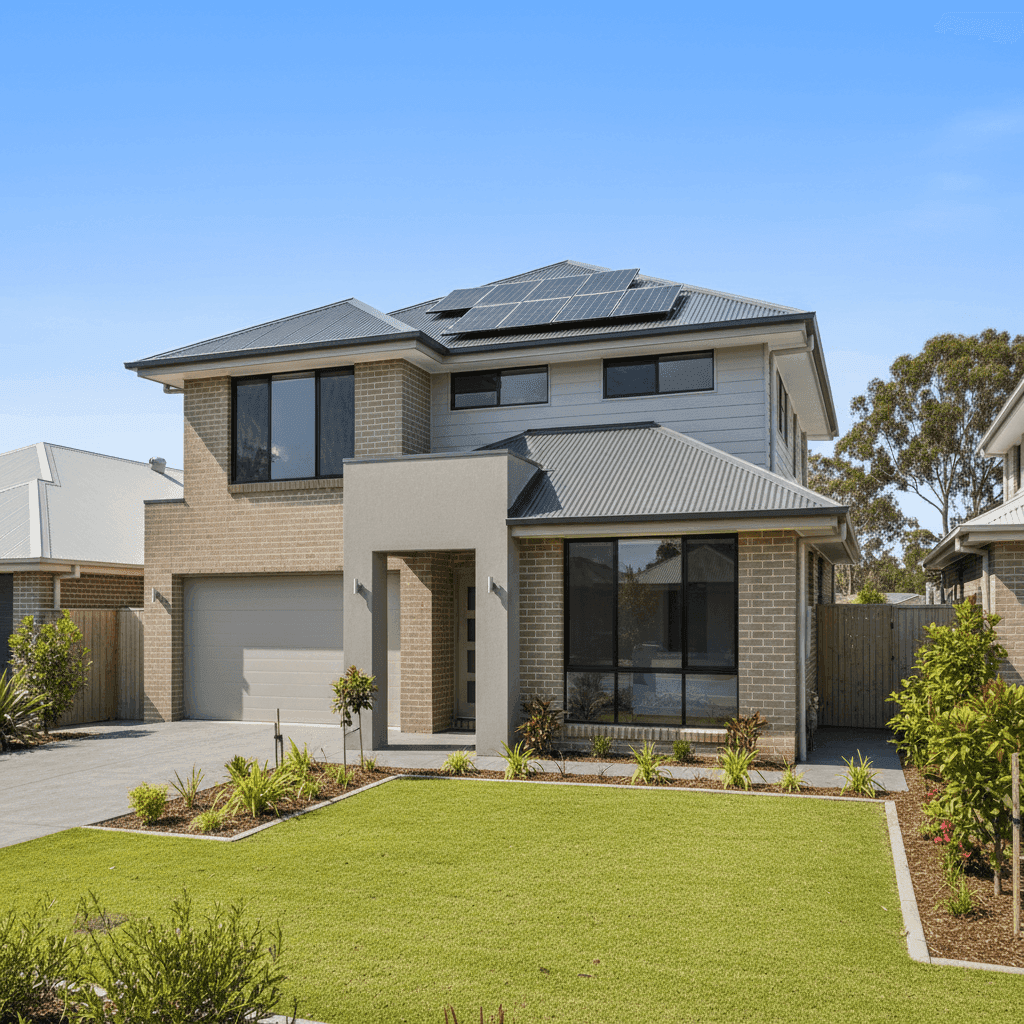
Pimpama is one of South East Queensland's fastest-growing suburbs, sitting in the heart of the Gold Coast's northern corridor. As a relatively new residential area dominated by modern estates, it attracts families drawn to its affordability, infrastructure investment, and proximity to both Brisbane and the Gold Coast. If you own a free standing home here, understanding what you should be paying for building insurance — and why — is an important part of protecting what is likely your most valuable asset.
This article breaks down a real building insurance quote for a four-bedroom, three-bathroom free standing home in Pimpama (postcode 4209), compares it against local, state, and national benchmarks, and offers practical guidance for homeowners in the area.
---
Is This Quote Fair?
The quote in question comes in at $1,851 per year (or $188/month) for building-only cover, with a sum insured of $576,000 and a building excess of $4,000.
Our price rating for this quote is FAIR — Around Average.
At first glance, $1,851/year sits comfortably below the suburb average of $3,055 and the suburb median of $2,425, which is a positive sign. However, "fair" rather than "great" reflects that there are cheaper options available — the 25th percentile of quotes in Pimpama sits at $1,507/year, meaning roughly a quarter of comparable properties are being insured for less. That said, this quote is well within a reasonable range and is not cause for concern.
The $4,000 excess is on the higher end and is worth factoring into your assessment. A higher excess typically reduces your annual premium, so part of the reason this quote appears competitive is that the policyholder is accepting more out-of-pocket cost in the event of a claim. Whether that trade-off suits your financial situation is a personal decision, but it's worth modelling what a lower excess option would cost.
---
How Pimpama Compares
To put this quote in proper context, here's how Pimpama stacks up against broader benchmarks:
| Benchmark | Premium |
|---|---|
| This Quote | $1,851/yr |
| Pimpama Suburb Average | $3,055/yr |
| Pimpama Suburb Median | $2,425/yr |
| Pimpama 25th Percentile | $1,507/yr |
| Pimpama 75th Percentile | $3,260/yr |
| Gold Coast LGA Average | $8,161/yr |
| QLD State Average | $9,129/yr |
| QLD State Median | $3,903/yr |
| National Average | $5,347/yr |
| National Median | $2,764/yr |
(Based on 102 quotes analysed for the Pimpama area. [View full suburb stats →](https://coverclub.com.au/stats/QLD/4209/pimpama))
The numbers here tell an interesting story. The Gold Coast LGA average of $8,161 and the Queensland state average of $9,129 are dramatically higher than what Pimpama homeowners are typically paying. This reflects the outsized influence of high-risk coastal and cyclone-prone areas within both the LGA and state — think beachfront properties, older homes in flood-affected zones, and locations closer to cyclone corridors further north.
Pimpama's suburb median of $2,425 is also notably below the national median of $2,764, which suggests the area carries a relatively moderate risk profile by Australian standards. For a new estate in Queensland, that's a meaningful advantage.
---
Property Features That Affect Your Premium
Several characteristics of this property work in the homeowner's favour from an insurance pricing perspective:
New construction (2022): A home built in 2022 benefits from modern building codes that incorporate improved structural standards, better fire resistance requirements, and up-to-date engineering practices. Insurers generally view newer homes as lower risk, and this is reflected in more competitive premiums.
Brick veneer external walls: Brick veneer is one of the most common and well-regarded wall materials in Australia for insurance purposes. It offers solid fire resistance and structural durability, which translates to lower risk assessments compared to, say, weatherboard or lightweight cladding.
Steel/Colorbond roof: Colorbond steel roofing is highly regarded by insurers — it's durable, resistant to ember attack, and performs well in storm conditions. For a Queensland property, where severe storms and hail are a real seasonal consideration, this is a meaningful risk mitigant.
Slab foundation: Concrete slab foundations are standard in modern Queensland builds and are generally viewed favourably by insurers. There's no elevated subfloor space that could be vulnerable to flooding or pest damage.
Solar panels: The property has solar panels, which adds a modest degree of complexity to the insurance picture. Solar panels themselves add replacement value to the home, and it's worth confirming with your insurer that they are explicitly covered under your building policy — particularly for storm or hail damage.
No pool, no cyclone risk zone: The absence of a pool removes a common source of liability and structural claims. Being outside a designated cyclone risk area is also significant in Queensland, where cyclone-rated premiums can be substantially higher, particularly in northern parts of the state.
214 sqm building size, standard fittings: A mid-sized home with standard fittings is straightforward to price and rebuild — there are no high-end fixtures or unusual materials that would inflate reinstatement costs beyond the $576,000 sum insured.
---
Tips for Homeowners in Pimpama
1. Review your sum insured regularly Construction costs in South East Queensland have risen significantly in recent years. A sum insured of $576,000 for a 214 sqm brick veneer home built in 2022 is worth reviewing annually to ensure it reflects current rebuild costs — not just the original build price. Underinsurance is one of the most common and costly mistakes homeowners make.
2. Confirm solar panel coverage If your policy doesn't explicitly list solar panels as a covered item, you may find yourself without protection if they're damaged in a storm or hail event. Ask your insurer directly, and consider whether your system's value is adequately reflected in your sum insured.
3. Shop the market at renewal time With 102 quotes on record for Pimpama, there's genuine competition in this market. The gap between the 25th and 75th percentile — $1,507 to $3,260 — is substantial, and the insurer you're with today may not be the best value next year. Compare quotes at CoverClub before your renewal date to make sure you're not overpaying.
4. Understand your excess before you claim A $4,000 building excess is a meaningful out-of-pocket cost in the event of a claim. If you haven't recently stress-tested whether that amount is comfortable for your household budget, it may be worth requesting a quote with a lower excess to see what the premium difference looks like. Sometimes the saving isn't as large as expected.
---
Compare Your Own Quote
Whether you're a new homeowner in Pimpama or coming up for renewal, it pays to benchmark your premium against the market. CoverClub analyses real quotes across Australia to help you understand whether you're getting a fair deal — or paying too much. Get a building insurance quote today and see how your property stacks up against the suburb, state, and national averages.