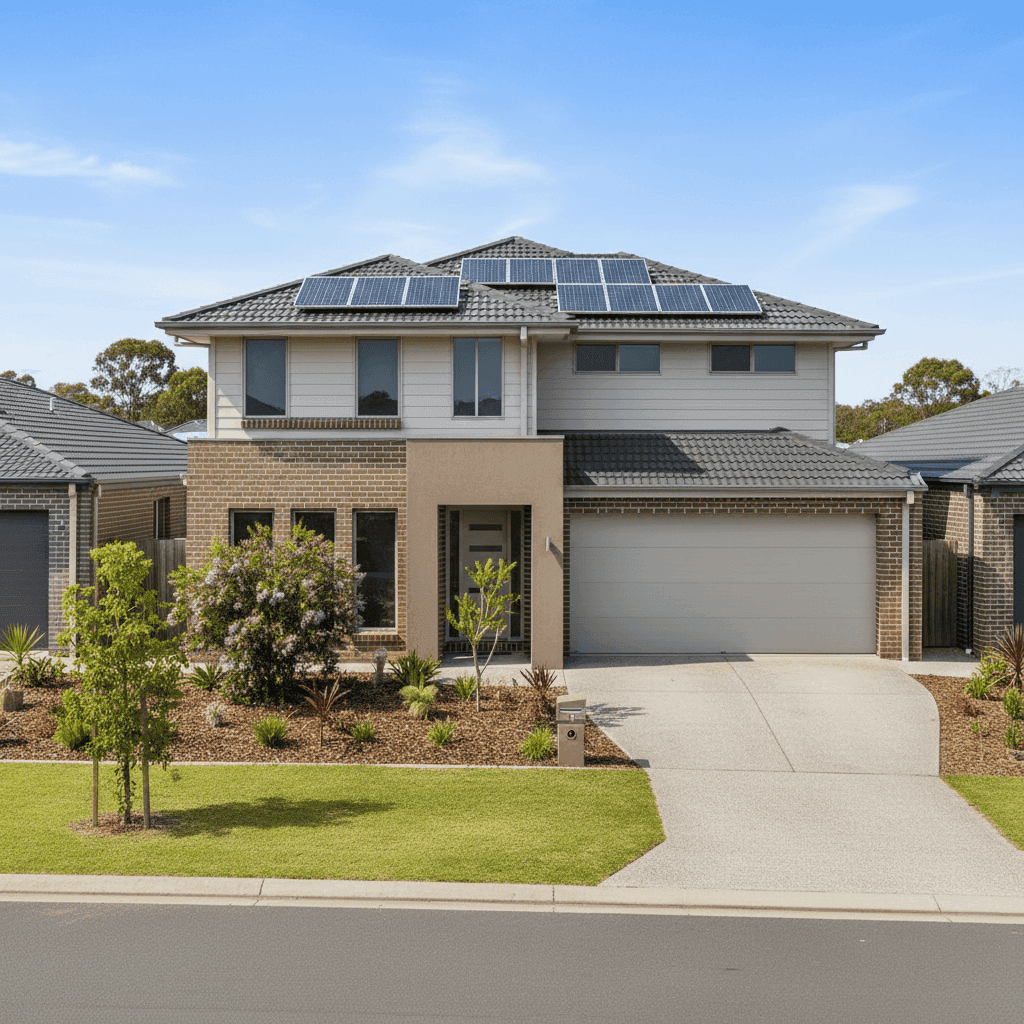
Pimpama is one of South East Queensland's fastest-growing suburbs, sitting within the Gold Coast Local Government Area and attracting thousands of families each year with its modern estates, relative affordability, and easy access to both Brisbane and the Gold Coast. If you own a free standing home here, understanding what you should be paying for home and contents insurance — and why — can save you a significant amount of money. This article breaks down a real insurance quote for a 4-bedroom, 2-bathroom home in Pimpama (postcode 4209) and puts it in context against local, state, and national benchmarks.
---
Is This Quote Fair?
The short answer: yes — and then some. This quote came in at $1,166 per year (or around $119 per month) for combined home and contents cover, with a building sum insured of $576,000 and contents valued at $50,000. CoverClub's pricing engine rates this as CHEAP — below average for the area.
To put that in perspective, the suburb average premium in Pimpama sits at $3,055 per year, and the median is $2,425 per year across 102 quotes collected for this postcode. That means this particular quote is coming in at less than half the suburb median — a genuinely strong result.
Even compared to the 25th percentile (the cheapest quarter of quotes in the area), which sits at $1,507 per year, this quote still undercuts it by more than $300 annually. In other words, this isn't just cheap relative to average — it's cheap relative to even the most competitive quotes we see in the suburb.
For a property with a $576,000 building sum insured and $50,000 in contents, paying $1,166 per year represents excellent value. The building excess of $3,000 and contents excess of $1,000 are on the higher side, which likely contributes to the lower premium — but for homeowners who can comfortably absorb those excesses in the event of a claim, this is a worthwhile trade-off.
---
How Pimpama Compares
Zooming out from the suburb level paints an even more striking picture. Queensland as a whole has an average home insurance premium of $9,129 per year — one of the highest in the country, driven largely by tropical weather risks, flooding, and cyclone exposure in northern parts of the state. The Queensland median sits at $3,903 per year.
Nationally, the average premium is $5,347 per year, with a median of $2,764 per year.
The Gold Coast LGA, which encompasses Pimpama, has an average premium of $8,161 per year — significantly above the suburb average of $3,055. This suggests that while the broader Gold Coast region carries considerable insurance risk (particularly in flood-prone and coastal areas), Pimpama's newer housing stock and inland location help moderate premiums for many homeowners.
Here's a quick summary of where this quote sits:
| Benchmark | Premium |
|---|---|
| This Quote | $1,166/yr |
| Pimpama Suburb Average | $3,055/yr |
| Pimpama Suburb Median | $2,425/yr |
| Pimpama 25th Percentile | $1,507/yr |
| Gold Coast LGA Average | $8,161/yr |
| QLD State Average | $9,129/yr |
| National Average | $5,347/yr |
You can explore more detailed pricing data for this postcode on the Pimpama suburb stats page.
---
Property Features That Affect Your Premium
Several characteristics of this property work in the homeowner's favour when it comes to insurance pricing.
Construction year (2017): A relatively modern build means the home was constructed to current Australian building standards, which include improved structural integrity, better materials, and updated electrical and plumbing systems. Insurers generally view newer homes as lower risk.
Brick veneer external walls: Brick veneer is one of the most common and well-regarded wall types in Australian residential construction. It offers good fire resistance and durability, and is typically viewed favourably by underwriters compared to timber or lightweight cladding.
Tiled roof: Like brick veneer walls, a tiled roof is considered a solid, low-maintenance roofing material. It performs well in hail events and is generally more resilient than Colorbond or corrugated iron in certain weather conditions — though all roof types have their trade-offs.
Concrete slab foundation: Slab foundations are standard in Queensland's newer estates and are generally associated with stable, well-engineered construction. They're less susceptible to subsidence and termite ingress compared to older stumped or suspended floor systems.
No cyclone risk area: Despite being in Queensland, Pimpama falls outside designated cyclone risk zones. This is a meaningful factor — cyclone-rated premiums in northern Queensland can be dramatically higher, so being outside that zone is a genuine cost advantage.
Solar panels: The presence of solar panels adds some complexity to an insurance policy — they need to be covered for storm damage, hail, and theft. It's worth confirming with your insurer that your solar system is explicitly included in your building sum insured, as some policies treat them as an optional extra.
Ducted climate control: Ducted air conditioning is a significant fixed asset. Again, ensure your building sum insured accounts for the replacement cost of this system, as it can run into the tens of thousands of dollars.
---
Tips for Homeowners in Pimpama
1. Review your building sum insured regularly. With construction costs rising across Queensland, the cost to rebuild your home may be higher today than when you first took out your policy. A 214 sqm home with quality fittings, ducted air conditioning, and solar panels could cost considerably more to rebuild than a few years ago. Use a building cost calculator or speak to a quantity surveyor to make sure your $576,000 sum insured still reflects reality.
2. Understand your excess before you claim. This policy carries a $3,000 building excess and a $1,000 contents excess. These are relatively high, which is part of why the premium is so competitive. Make sure you have those amounts accessible — if you ever need to make a claim, you'll need to cover the excess upfront before your insurer steps in.
3. Confirm solar panel and air conditioning coverage. Ask your insurer directly: are your solar panels and ducted climate control system covered under the building policy? What events are included — storm, hail, fire, accidental damage? Getting clarity now avoids nasty surprises later.
4. Shop around at renewal time. Insurance loyalty rarely pays. Even if this quote is excellent today, premiums can shift significantly at renewal based on claims history, insurer appetite, and changes in local risk modelling. Use a comparison tool like CoverClub each year to make sure you're still getting a competitive rate.
---
Ready to Compare Your Own Quote?
Whether you're a Pimpama local or buying in the area, CoverClub makes it easy to see what home and contents insurance should cost for your specific property. Our suburb-level data and real quote comparisons give you the context to make a genuinely informed decision — not just accept whatever your current insurer sends you at renewal.
Get a home insurance quote today at CoverClub and find out if you're paying too much.